 EN
EN

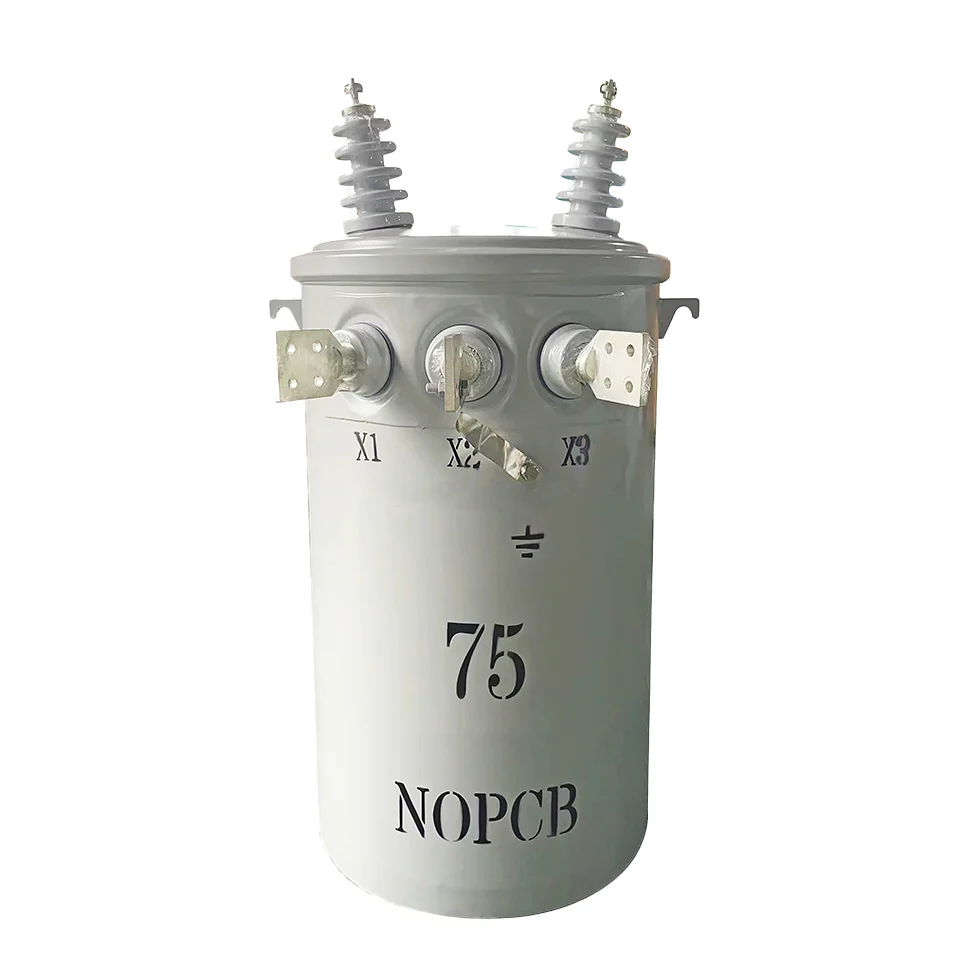
Why Power Pole Transformers Are Essential for Local Networks
In the vast, interconnected architecture of the modern electrical grid, the most critical transition occurs just meters away from the end-user. As high-voltage electricity travels across regional transmission lines, it must be carefully stepped down to a usable, safe level for consumption. This vital task is performed by the power pole transformer, a compact yet remarkably robust piece of infrastructure that acts as the final gatekeeper of the local distribution network. Without these units, the modern lifestyle—defined by ubiquitous electronic access and reliable energy—would simply be impossible to sustain. Understanding their role is essential for anyone involved in infrastructure planning, utility management, or electrical engineering.
The Role of Voltage Step-Down in Modern Distribution
High-voltage transmission is fundamentally essential for moving power over long distances with minimal energy loss. However, these transmission voltages are far too intense for standard equipment, office electronics, or industrial machinery. The power pole transformer serves as the essential bridge, taking the primary distribution voltage and converting it into the low-voltage secondary power required. This "step-down" process is engineered for consistent reliability, ensuring that the electricity arriving at a service entrance is stable, consistent, and safe. By localizing this transformation, the grid avoids the need for massive, centralized substations in every single area, instead distributing the responsibility across a wide, adaptable network of pole-mounted units that are easier to maintain and faster to deploy.
Enhancing Grid Flexibility and Decentralization
One of the greatest strengths of the pole-mounted design is its inherent decentralization. Because each transformer serves a relatively small, manageable cluster of users, the broader grid gains a remarkable level of operational flexibility. If a component failure occurs, the impact remains localized, leaving only a small number of users affected rather than an entire district or city sector. Furthermore, this modular approach allows operators to scale the grid with surprising ease. As an area grows, operators can simply upgrade the capacity of an existing pole-mounted unit or install a new one, avoiding the need for heavy, disruptive, and costly civil engineering projects. This agility is the primary reason why pole-mounted systems remain the preferred choice for reliable, neighborhood-level power distribution in both mature and emerging markets.
Environmental Resilience and Structural Design Integrity
Pole-mounted transformers are subjected to the full range of environmental stressors, from extreme heat and sub-zero temperatures to heavy wind, seasonal rain, and persistent wildlife interaction. To survive in such conditions, these units are constructed with high-grade, weather-resistant materials and robust, hermetically sealed enclosures. Modern designs focus heavily on superior internal cooling, utilizing advanced oil-based or dry-type insulation systems to maintain structural integrity even under continuous, heavy load cycles. By effectively managing thermal stress and preventing internal moisture ingress, these units can operate reliably for decades, providing the consistent, clean voltage necessary for the sensitive electronic equipment that characterizes modern industrial and domestic environments.
The Evolution of Modern Monitoring and Safety
Beyond the traditional role of simple voltage transformation, the modern pole-mounted unit is becoming an increasingly "smart" asset. Integrated sensors and low-profile communication modules are now being utilized to monitor real-time load, internal temperature, and voltage health. This diagnostic information is transmitted back to central control centers, allowing operators to preemptively identify potential hardware issues before they lead to service outages. Furthermore, these units are equipped with sophisticated protection systems—such as high-precision internal fuses and pressure relief devices—that ensure the safety of the surrounding public. This evolution from a "fit and forget" component to an active, monitored participant in the smart grid represents the future of local distribution stability and proactive energy management.
Manufacturing Excellence in Global Electrical Infrastructure
Maintaining the health of a local distribution network requires electrical components that are built to withstand both the relentless passage of time and the rigors of the physical environment. Apex Electrics supports this critical infrastructure by providing high-performance, precision-engineered hardware designed to meet the increasing demands of modern distribution grids. With a strong focus on manufacturing excellence, durable material selection, and rigorous quality testing protocols, Apex Electrics ensures that every power component is prepared to provide reliable, high-uptime service in any setting. Choosing a manufacturing partner that prioritizes technical depth and structural consistency is the essential strategy for developers and utility operators looking to build a resilient, future-ready power distribution system. Through a persistent commitment to high-standard manufacturing and a robust, scalable supply chain, this support helps guarantee that the local network remains stable, safe, and fully capable of meeting the evolving energy demands of modern life in 2026 and beyond.
Table of Contents
- Why Power Pole Transformers Are Essential for Local Networks
- The Role of Voltage Step-Down in Modern Distribution
- Enhancing Grid Flexibility and Decentralization
- Environmental Resilience and Structural Design Integrity
- The Evolution of Modern Monitoring and Safety
- Manufacturing Excellence in Global Electrical Infrastructure