 EN
EN

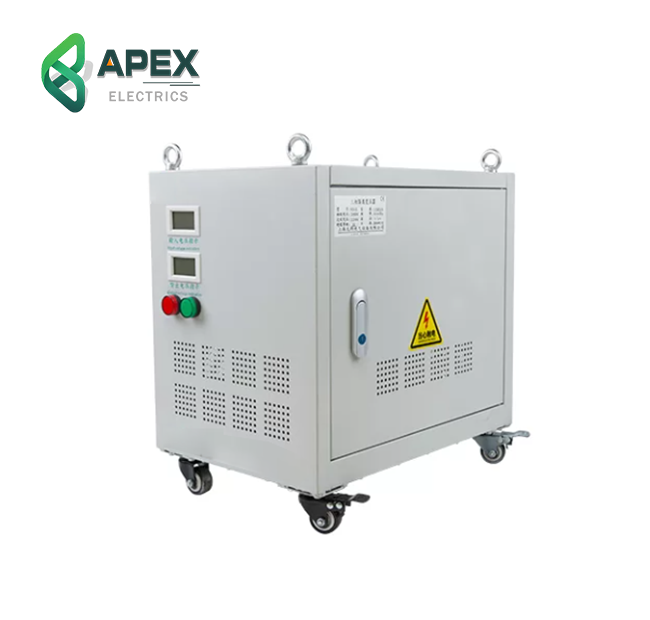
How Photovoltaic Transformers Enhance Solar Efficiency
In the global transition toward sustainable energy, the scalability of renewable power is no longer just about the sheer number of solar panels installed; it is about how effectively that energy is processed, converted, and delivered to the grid. At the nexus of this conversion stands the photovoltaic transformer, a specialized piece of infrastructure that acts as the vital bridge between raw DC solar output and high-voltage utility grids. For site operators and engineering teams aiming to maximize the yield of their renewable assets in 2026, understanding how to optimize this conversion link is the single most effective way to protect the long-term potential of a solar project.
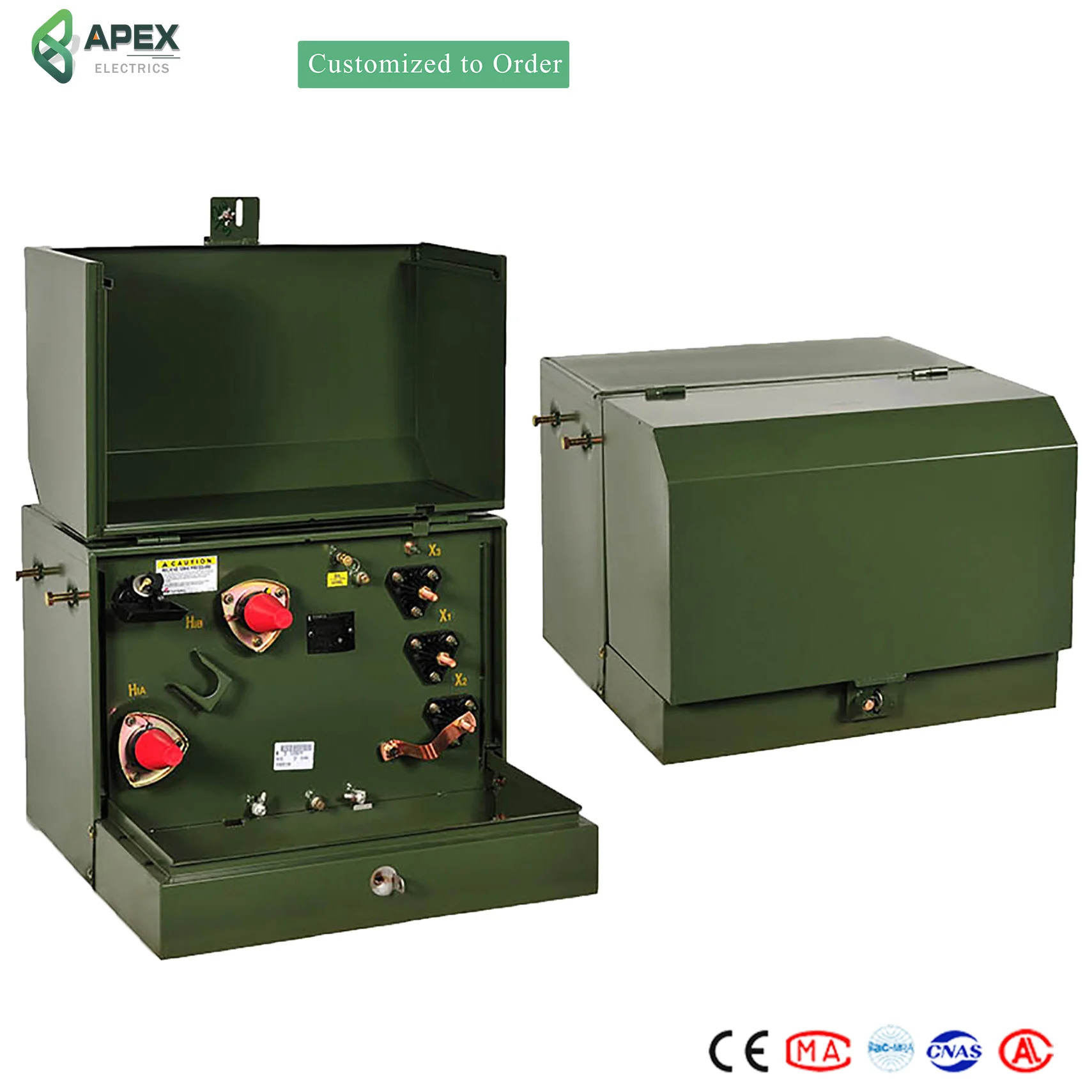
Engineering for Dynamic Energy Conversion Stability
Every stage of energy conversion introduces the potential for thermal and electrical loss. Once solar energy is harvested, it undergoes an inversion process to become usable grid power; subsequently, the transformer must adjust the voltage to meet specific utility requirements. A specialized photovoltaic transformer is engineered specifically to manage the unique harmonic profile and rapid fluctuations that are characteristic of modern solar generation. By utilizing high-permeability core materials and precision-wound, low-resistance coils, these units effectively minimize both "no-load" and "load" losses that frequently plague standard, general-purpose utility transformers. This technical refinement ensures that a significantly higher percentage of the energy generated at the panel level actually reaches the end-user grid, directly enhancing the financial performance of the solar installation.
Managing Intermittent Loads in Real-Time
Solar power is inherently intermittent. Rapid shifts in cloud cover, sudden changes in ambient temperature, and seasonal variance result in dramatic ramps or drops in electricity generation. Traditional power transformers, which were often originally designed for static and predictable industrial loads, frequently struggle to maintain optimal performance under such rapid, repeated cycling. Conversely, a modern photovoltaic transformer is purpose-built to handle these volatile load profiles without performance degradation. By maintaining magnetic stability even during sharp voltage fluctuations, the unit ensures that downstream solar inverters remain within their most consistent operating range. This operational consistency prevents the frequent, disruptive shutdown or clipping events that can cumulatively reduce total energy production over the course of a fiscal year.
Advanced Thermal Management and Component Longevity
The long-term reliability of any renewable energy asset is inextricably linked to its internal thermal profile. Solar transformer installations are often located in remote, arid, or highly exposed environments with intense UV radiation and extreme ambient heat. An optimized transformer employs advanced cooling geometries and high-dielectric-strength insulation systems specifically designed to mitigate the impact of this harsh environment. By keeping internal operating temperatures strictly controlled, the transformer prevents the thermal degradation of winding insulation—which is historically one of the most common causes of premature equipment failure. Protecting the internal structural integrity of the system through superior thermal management is the most effective way to ensure that the asset provides a consistent, high-uptime return on investment throughout its entire operational lifecycle.
Grid Integration and Harmonic Compliance
As global grid regulations become increasingly stringent, the role of the transformer in maintaining power quality has become paramount for all renewable developers. Large-scale solar farms can inject harmonic distortions into the grid if the transformation process is not properly managed or filtered. A modern photovoltaic transformer is built to proactively suppress these harmonics, ensuring that the power delivered to the utility network is clean, stable, and fully compliant with international power quality standards. By prioritizing power quality at the transformation stage, these units not only protect site operators from potential regulatory issues but also improve the overall health of the local electrical distribution system. This makes the installation a more reliable and valued contributor to the regional energy grid.
Engineering Excellence for Sustainable Renewable Infrastructure
Achieving long-term productivity and reliability in solar energy infrastructure requires a manufacturing partner that understands the rigorous technical demands of high-performance power conversion. Apex Electrics supports the global transition to renewable energy by providing robust, high-performance electrical solutions specifically tailored for large-scale energy projects. Through a steadfast commitment to precision engineering, advanced material sourcing, and comprehensive, multi-stage testing protocols, Apex Electrics ensures that every power component is prepared to withstand the operational challenges of modern renewable energy production. Choosing a manufacturing partner that prioritizes technical depth, structural integrity, and long-term supply chain reliability is the essential strategy for any developer aiming to maximize the operational success of their power infrastructure. As the demands on the grid continue to evolve, the focus remains on delivering infrastructure that is built to the highest benchmarks of manufacturing excellence, ensuring a consistent and competitive advantage for those who prioritize stability in renewable power production.
Table of Contents
- How Photovoltaic Transformers Enhance Solar Efficiency
- Engineering for Dynamic Energy Conversion Stability
- Managing Intermittent Loads in Real-Time
- Advanced Thermal Management and Component Longevity
- Grid Integration and Harmonic Compliance
- Engineering Excellence for Sustainable Renewable Infrastructure