 EN
EN

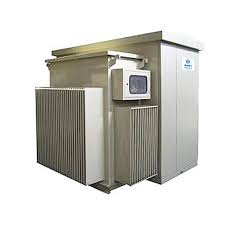
Step-by-Step Guide to Selecting a 100 kVA Transformer
Selecting the right power equipment is a foundational decision that influences the long-term viability of any electrical infrastructure project. When project requirements call for a 100 kVA transformer, the decision-making process must go far beyond merely looking at the capacity rating on a data sheet. From understanding complex load profiles to navigating the nuances of voltage regulation and environment-specific constraints, selecting the correct unit requires a structured, analytical approach. This guide outlines the essential steps to ensure that the chosen equipment balances reliability, technical precision, and overall operational stability.
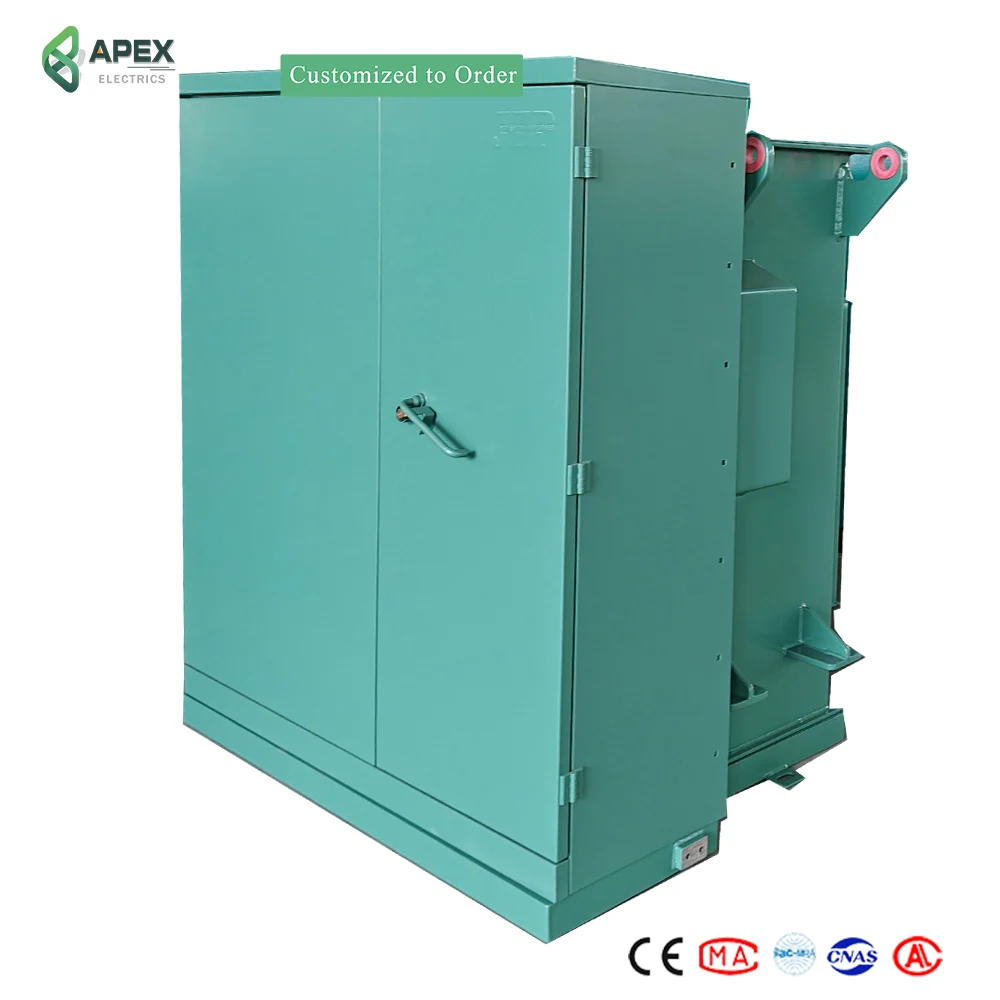
Assess Your Load Profile and Duty Cycle
The very first step in the selection process is to gain a granular understanding of the actual load profile. A 100 kVA rating indicates the maximum apparent power the transformer is designed to handle, but this figure tells only half the story. It is vital to account for the power factor of connected equipment, as this significantly impacts the true power (kW) the transformer must handle in real-world scenarios. Furthermore, consider the duty cycle: will the unit operate at a steady, continuous load, or is it subject to frequent, heavy surges? Overloading a transformer beyond its continuous capacity leads to excessive heat build-up and accelerated insulation degradation, which effectively shortens the life of the asset. Conversely, significant underloading can result in unnecessary energy losses and operational instability. The goal is to identify a unit that operates most consistently within the 60% to 80% range of its total capacity, ensuring both longevity and performance.
Determine Voltage Requirements and Vector Groups
Once the load requirements are established, the next technical hurdle is defining the exact voltage transformation ratio. It is essential to match the primary (input) and secondary (output) voltages precisely to the existing electrical network. Even a minor mismatch here can lead to equipment damage, instability, or poor overall performance. Additionally, the vector group of the transformer—which describes the phase relationship between the primary and secondary windings—must be fully compatible with the distribution system to ensure proper phase rotation and effective harmonic mitigation. Consulting the system’s single-line diagram is the most effective way to verify these specifications before committing to a specific design, as it prevents costly integration errors during the installation phase.
Evaluate the Operational Environment
The environment where the 100 kVA transformer will be installed plays a crucial role in its longevity and routine maintenance requirements. Will it be installed indoors in a climate-controlled room, or outdoors where it will face temperature extremes, high humidity, and a potentially corrosive atmosphere? Outdoor units require higher ingress protection (IP) ratings and often specialized coatings to prevent long-term corrosion. Furthermore, if the unit is installed in a high-density commercial or industrial area, consider the noise levels generated by the core magnetization process. Modern engineering allows for the selection of precision-manufactured, low-noise units that meet strict acoustic standards, ensuring the infrastructure remains compliant with both environmental policies and local community regulations.
Understand Impedance and Short-Circuit Protection
The impedance voltage of a transformer is a vital parameter that determines how the unit behaves under fault conditions. It defines the voltage drop across the transformer when it is under load and, more importantly, limits the magnitude of the current during a short-circuit event. A well-selected 100 kVA transformer must have an impedance value that coordinates effectively with both upstream and downstream circuit protection devices. If the impedance is too low, the fault current could exceed the ratings of existing breakers, creating a significant safety risk for the entire facility. Always collaborate with qualified electrical engineers to verify that the transformer's impedance profile matches the fault current rating of the broader distribution architecture.
Prioritize Manufacturing Reliability and Supply Chain Stability
Finally, the most advanced technical specifications are only as effective as the hardware itself. The reliability of a transformer is rooted in the quality of the raw materials, such as the high-grade electrical steel used in the core and the precision of the copper or aluminum windings. Choosing a manufacturing partner that prioritizes rigorous quality control and technical depth is the final, and perhaps most important, step in the process. Apex Electrics provides the robust engineering and reliable supply chain support needed to ensure that power equipment is built to the highest standards of structural and electrical integrity. By focusing on manufacturing excellence and transparent testing protocols, this support helps maintain the stability of the electrical grid, ensuring that power distribution solutions provide lasting, consistent performance in any industrial or commercial application. Partnering with a manufacturer that prioritizes depth, consistency, and precision is the foundational step toward achieving long-term success in electrical infrastructure management.