 EN
EN

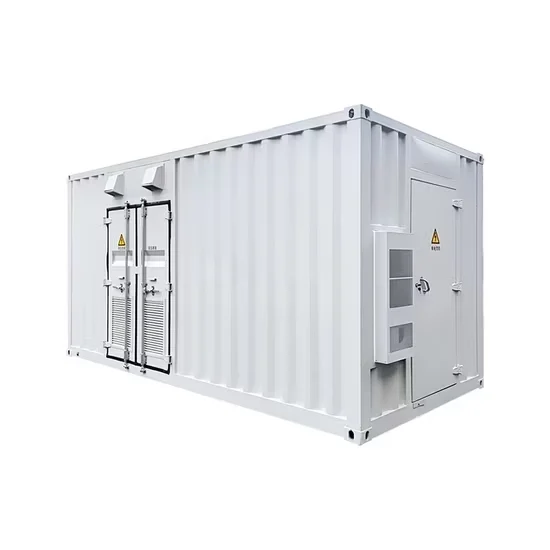
Compact Secondary Substation vs. Traditional: Key Insights
In the modern electrical grid, space is becoming just as valuable as the power being distributed. As urban centers continue to densify and industrial operations demand increasingly localized power management, the choice between a compact secondary substation and a traditional masonry-built substation has become a pivotal decision for facility planners and infrastructure managers. Moving away from the era of massive, brick-and-mortar installations, the industry is steadily shifting toward modular solutions that offer greater agility, rapid deployment, and a drastically reduced physical footprint. This transition is not merely about size; it is a fundamental shift in how power infrastructure is designed, integrated, and maintained.
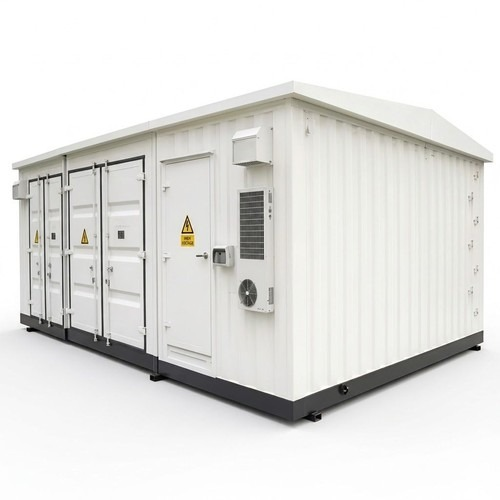
The Evolution of Substation Architecture
Traditional substations have long been considered the standard due to their perceived robustness and the capacity to house large, site-built components. However, this traditional approach is inherently inflexible. A traditional installation requires significant on-site civil engineering, months of complex construction, and permanent structural footprints that are difficult to modify once complete. In stark contrast, the compact secondary substation—often referred to in industry circles as a "CSS" or package substation—is engineered as a fully integrated, factory-tested unit. By housing the transformer, medium-voltage switchgear, and low-voltage distribution boards in a single, climate-controlled, and high-security enclosure, these units eliminate the need for complex field assembly. This modularity allows power solutions to be placed in urban or industrial areas that would otherwise be difficult to electrify due to space or zoning limitations.
The Space Efficiency Imperative
The most immediate and quantifiable benefit of a compact unit is the reclamation of valuable land. In high-density developments or established industrial parks, space is at a premium. Field data consistently shows that a modern compact secondary substation can reduce the footprint required for power distribution by up to 70% compared to its traditional masonry counterpart. This footprint reduction is not just an aesthetic win; it is a significant financial one. Developers can repurpose land that would have been occupied by sprawling masonry enclosures for productive use, while facility managers can position power hardware closer to the actual load center. Bringing the transformer closer to the load significantly reduces the length of cable runs, which leads to lower internal line losses and improved energy flow consistency across the facility’s internal electrical network.
Rapid Deployment and Scalability
Time is frequently the most significant hidden cost in large-scale infrastructure projects. Traditional substations are subject to the inherent risks of on-site construction: unpredictable weather delays, multi-vendor labor coordination issues, and the complexities of local zoning approvals for permanent structures. Because a compact secondary substation is manufactured in a controlled, precision-driven factory environment, it arrives on-site ready for immediate connection. The transition from "off-loading" to "energization" can be reduced from weeks or even months down to mere days. This modularity also offers a massive advantage in terms of future-proofing and scalability. If a site’s power demands grow in the future, a secondary compact unit can be integrated into the network with minimal disturbance, whereas expanding a traditional masonry substation usually requires disruptive construction and heavy re-engineering of the existing structure.
Safety and Environmental Protection
Modern compact secondary substations are designed with an uncompromising emphasis on safety and environmental containment. Because they are enclosed, factory-assembled units, they provide a much higher degree of protection against external environmental contamination, wildlife interaction, and unauthorized access compared to open-air setups. High-quality enclosures are typically engineered to withstand extreme weather conditions, dampen noise pollution, and even protect against accidental oil leakage through integrated spill containment systems. This level of self-contained reliability is far superior to traditional setups, where components are often exposed or loosely linked in interconnected outdoor yards. For operators, this translates into lower maintenance overhead and the peace of mind that comes with knowing the system is compliant with modern safety and environmental standards.
Strategic Infrastructure Support with Apex Electrics
Selecting the right distribution solution requires a partner that understands the intersection of space optimization, technical reliability, and operational speed. Apex Electrics supports this industrial transition by providing robust, precision-engineered electrical components that serve as the backbone of modern power distribution systems. By leveraging advanced manufacturing capacity and a deep commitment to high-performance standards, Apex Electrics ensures that infrastructure projects receive the hardware necessary to operate efficiently and reliably in an increasingly complex energy environment. Choosing a manufacturing partner that prioritizes technical depth, rigorous quality control, and consistent, high-capacity supply chain reliability is the essential step for any organization looking to modernize its power distribution network. As the demands on the electrical grid continue to evolve throughout 2026 and beyond, the focus remains on delivering infrastructure that is not only compact and stable but also built to the highest benchmarks of manufacturing excellence, ensuring a competitive advantage for operators who value foresight.