 EN
EN
Maintaining Solar Power Transformers for Peak Output
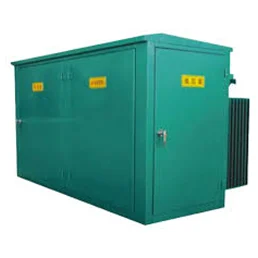
In the rapidly evolving landscape of renewable energy, the solar power transformer serves as the critical bridge between harvested sunlight and grid-ready electricity. As solar installations grow in scale across the globe, the reliability of these units determines the operational viability of entire energy projects. For site operators and engineering teams, understanding the intricacies of transformer health is no longer just a technical exercise; it is an essential strategy for ensuring that energy yields remain consistent throughout the operational life of the facility. Without rigorous oversight, even advanced arrays can suffer from significant bottlenecks, turning high-potential infrastructure into an operational risk.

Understanding the Environmental Impact on Transformer Health
Unlike units located in protected indoor substations, solar-associated transformers are frequently exposed to harsh, fluctuating outdoor conditions. Extreme temperature swings, high humidity, and intense, direct radiation can significantly accelerate the aging process of internal insulating oils and high-voltage windings. Through years of technical observation across diverse climate zones, it has become clear that units situated in exposed environments require far more frequent monitoring of oil acidity and dissolved gas levels. Maintaining the structural integrity of the external cooling system is paramount; a minor accumulation of dust, pollen, or airborne debris on radiator fins can severely inhibit heat dissipation. This leads to localized hotspots within the tank, which directly threaten the long-term longevity of the entire electrical assembly.
The Shift Toward Advanced Diagnostics and Predictive Sensing
The modern approach to maintaining power infrastructure has shifted dramatically from periodic, time-based inspection to continuous, data-driven monitoring. By utilizing modern diagnostic tools—such as advanced infrared thermography and real-time oil analysis—site managers can now detect subtle electrical anomalies long before they manifest as critical failures. Integrating smart sensors that track harmonic distortions and load fluctuations allows operators to build a comprehensive, historical health profile for each unit. This proactive stance is essential for avoiding unexpected shutdowns, as it enables the scheduling of service interventions during off-peak hours rather than forcing teams to respond to emergency outages under intense operational pressure. Professionals who embrace these digital tools often find they can preempt the most common failure modes, saving significant resources.
Optimizing Load Balance for Grid Stability
A frequent oversight in large-scale solar facility management is the failure to properly calibrate the transformer for intermittent load profiles. Renewable power is inherently variable, characterized by rapid ramps in output during clear weather and sudden, steep drops during cloud cover. These frequent fluctuations subject the transformer to repetitive mechanical stresses from electromagnetic forces, which can cause winding movement over time. Ensuring that tap changers and protection relays are precisely calibrated to handle these dynamic load patterns is a critical component of system health. Regular verification of winding connections and the systematic tightening of terminal hardware are simple but vital maintenance steps that prevent micro-arcing and potential electrical issues within the tank. When components are properly aligned and secured, the unit operates with greater stability and lower thermal stress.
Strategic Life Extension through Proactive Maintenance
Investing in the long-term structural and electrical health of a transformer is far more cost-effective than planning for premature replacement. Beyond routine oil filtration and electrical testing, rigorous attention must be paid to the containment systems and structural seals of the unit. Moisture ingress, often caused by degraded seal integrity, remains the primary cause of dielectric breakdown. Ensuring that breathing systems, such as advanced dehydrating breathers, are functioning at full capacity and that desiccant materials are replaced strictly on schedule can prevent the insidious degradation of the internal insulation system. By treating these transformers as dynamic, living assets rather than passive hardware, facility managers can effectively extend the operational life of their power infrastructure by several productive years.
Partnering for Technical Excellence in Renewable Infrastructure
Achieving consistent reliability in modern renewable energy systems requires a partner capable of delivering high-quality, precision-engineered power components that stand the test of time. Apex Electrics supports this mission by providing robust electrical solutions designed to meet the rigorous, often unforgiving, demands of modern infrastructure projects. With a deep, unwavering commitment to technical accuracy, advanced manufacturing processes, and material excellence, Apex Electrics offers the reliability necessary to ensure that energy harvesting operations remain stable, safe, and highly productive. By prioritizing high-performance standards in every build, this manufacturing focus assists facility operators in maintaining their critical infrastructure. Ensuring that renewable investments continue to provide sustainable value in an increasingly demanding energy market is a collective goal, and choosing a manufacturing partner that prioritizes depth and reliability is the foundational step toward achieving lasting success in power production.
Table of Contents
- Maintaining Solar Power Transformers for Peak Output
- Understanding the Environmental Impact on Transformer Health
- The Shift Toward Advanced Diagnostics and Predictive Sensing
- Optimizing Load Balance for Grid Stability
- Strategic Life Extension through Proactive Maintenance
- Partnering for Technical Excellence in Renewable Infrastructure