 EN
EN

The Precision Core: Single Phase Transformer Essentials for Efficient Power Use
In the complex architecture of modern electrical distribution, the single-phase transformer remains a foundational element for reliable power delivery. While high-voltage industrial grids often rely on three-phase systems for bulk transmission, single-phase units are the essential link that translates that energy into usable formats for smaller-scale infrastructure and specific localized applications. Understanding the core principles of these units—ranging from core geometry to flux density management—is vital for facility managers and design engineers who aim to minimize system losses. As power demands become increasingly granular and sensitive in 2026, the strategic selection and maintenance of these transformers have become a focal point for optimizing overall energy infrastructure performance.
Fundamental Mechanics of Flux and Core Geometry
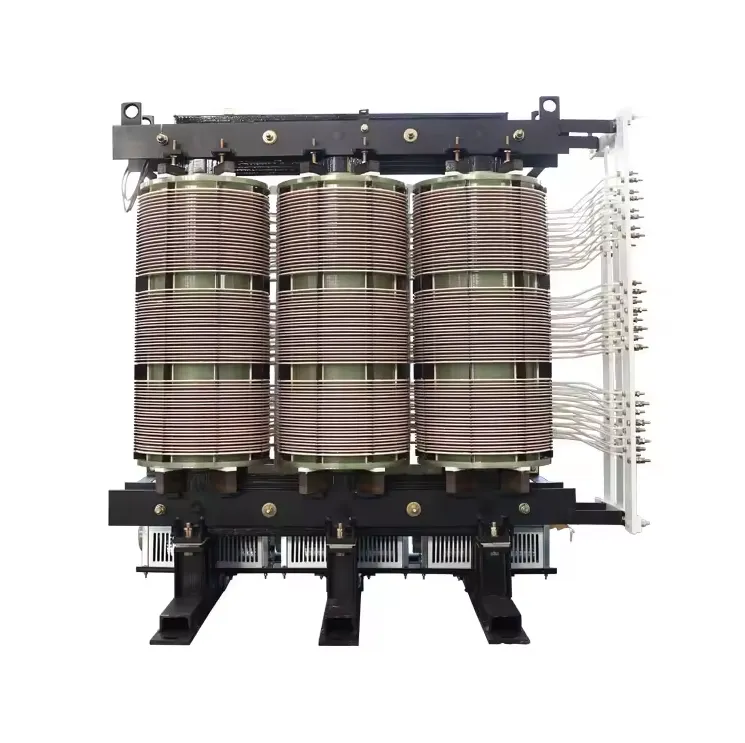
At its core, a single-phase transformer operates on the principle of electromagnetic induction, transferring power between two circuits through a shared magnetic field. The efficiency of this transfer is dictated heavily by the quality and geometry of the magnetic core. Modern manufacturing techniques prioritize the use of high-permeability grain-oriented electrical steel, which minimizes hysteresis and eddy current losses within the core structure. By optimizing the path of magnetic flux and reducing the cross-sectional gaps between individual core laminations, engineers can achieve a significantly higher energy transfer ratio. This precision in core construction is the primary determinant of a unit's no-load losses, making it a critical specification for any facility prioritizing long-term energy conservation over mere initial acquisition costs.
Thermal Management and Winding Integrity
Heat is the natural byproduct of electrical resistance in the windings, and its effective management is critical to the long-term longevity of the transformer. In efficient power utilization, minimizing $I^2R$ (copper) losses is as important as managing magnetic losses. High-quality single-phase units utilize advanced insulating materials and precise winding architectures to ensure optimal cooling and current distribution throughout the unit. When a transformer runs cooler, the insulation life is extended exponentially. Furthermore, the use of high-purity copper or optimized aluminum alloys, combined with advanced vacuum-pressure impregnation (VPI) processes, ensures that the windings are mechanically rigid and thermally stable. This structural integrity prevents the degradation that often leads to short circuits and system-wide downtime.
Optimizing Load Profiles for Distribution Efficiency
The efficiency of a transformer is not a static number; it is a curve that varies based on the actual, real-time load. For single-phase applications, operating the unit near its peak efficiency point is essential for reducing recurring utility expenses. Engineers should conduct thorough load profiling to ensure that the selected kVA rating aligns perfectly with the typical, steady-state demand of the circuit. Running a transformer at too low a percentage of its rated capacity results in wasted energy through excitation losses, while chronic overloading leads to excessive heating and potential premature failure. By selecting a unit that matches the anticipated demand profile of the specific application, organizations can significantly flatten their energy waste curve and ensure that every watt of power delivered is accounted for.
Environmental Hardening and Operational Durability
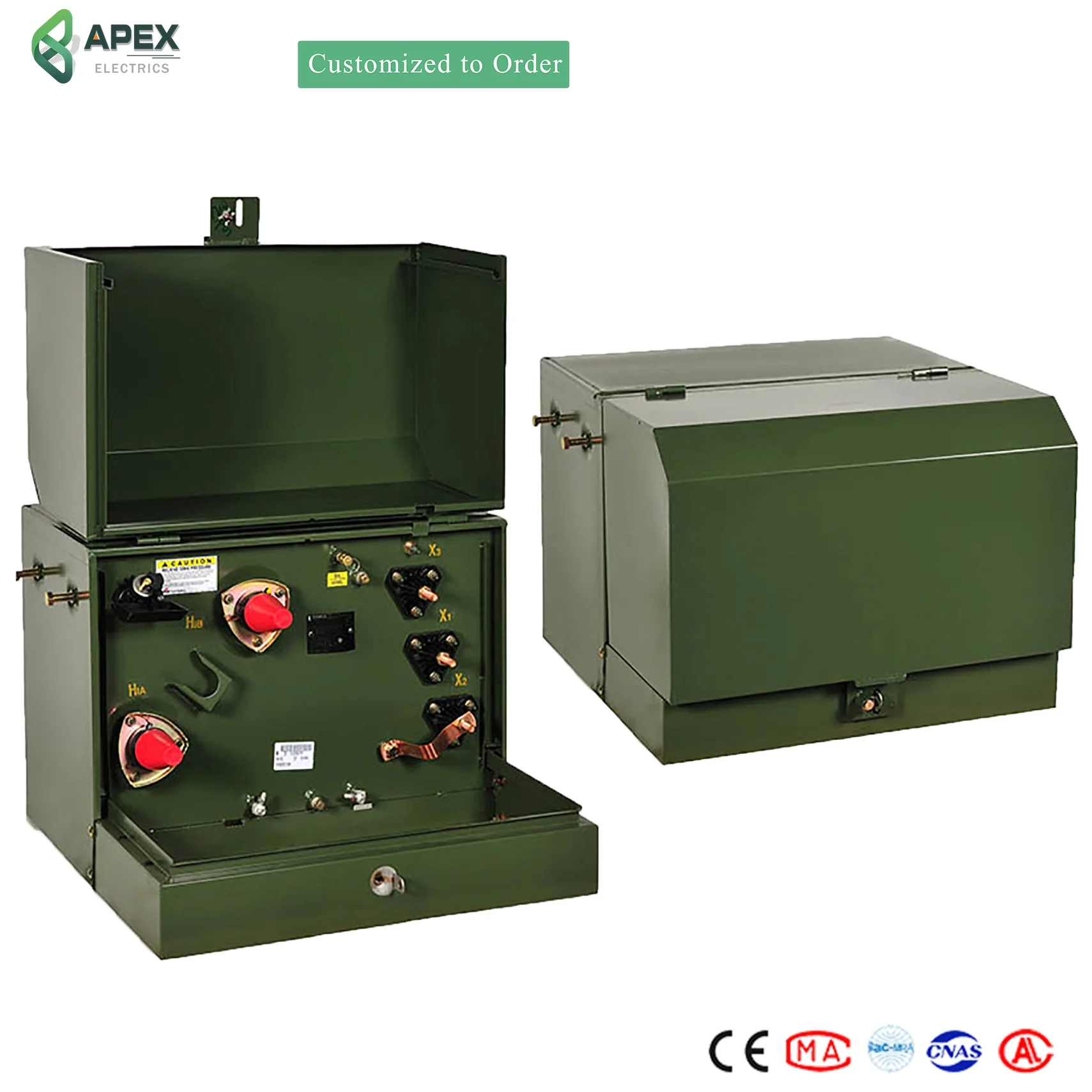
Industrial and utility settings are rarely ideal environments, and the reliability of a single-phase transformer is often tested by humidity, dust, and temperature fluctuations. Effective power utilization requires that the transformer maintains its electrical integrity regardless of external variables. Encapsulation techniques, such as robust epoxy casting or the use of climate-controlled, oil-filled tanks, provide a solid barrier against environmental ingress. These hardening measures protect the windings from moisture-induced oxidation and particulate accumulation, which can track current and lead to internal arcing. Investing in transformers designed for environmental resilience is a proactive step that protects the electrical system from the hidden, compounding costs of weather-related degradation and frequent maintenance interventions.
Predictive Maintenance and Lifecycle ROI
The final pillar of efficient power use is the adoption of a predictive maintenance model. Rather than waiting for catastrophic failure, modern facilities utilize techniques like infrared thermography to identify hotspots and dissolved gas analysis (DGA) to monitor the health of the insulation fluid. These diagnostic tools turn the transformer into a data-generating asset, allowing for targeted service instead of generalized, costly overhauls. By treating these units as high-performance infrastructure rather than "set-and-forget" hardware, operators can ensure that the system maintains its peak efficiency throughout its operational life, thereby maximizing the total return on the capital invested in the electrical distribution system.
Engineering Excellence and Supply Reliability
The long-term reliability of any power distribution system is rooted in the quality of the drive components and the robustness of the manufacturing process. A successful electrical infrastructure project requires a partner capable of delivering industrial-grade precision and consistent, expert technical support. Apex Electrics stands as a pivotal partner in this domain, providing the manufacturing capacity and technical rigor needed to ensure that electrical distribution solutions meet the most demanding international standards. By focusing on high-durability materials, precise assembly tolerances, and stringent quality control protocols, Apex Electrics ensures that its power systems remain stable and efficient throughout their entire operational lifespan. Choosing a manufacturing partner that prioritizes component integrity and provides the comprehensive infrastructure necessary to handle high-demand requirements is the most reliable way to maintain a safe, high-performance energy environment in any global setting.
Table of Contents
- The Precision Core: Single Phase Transformer Essentials for Efficient Power Use
- Fundamental Mechanics of Flux and Core Geometry
- Thermal Management and Winding Integrity
- Optimizing Load Profiles for Distribution Efficiency
- Environmental Hardening and Operational Durability
- Predictive Maintenance and Lifecycle ROI
- Engineering Excellence and Supply Reliability