 EN
EN

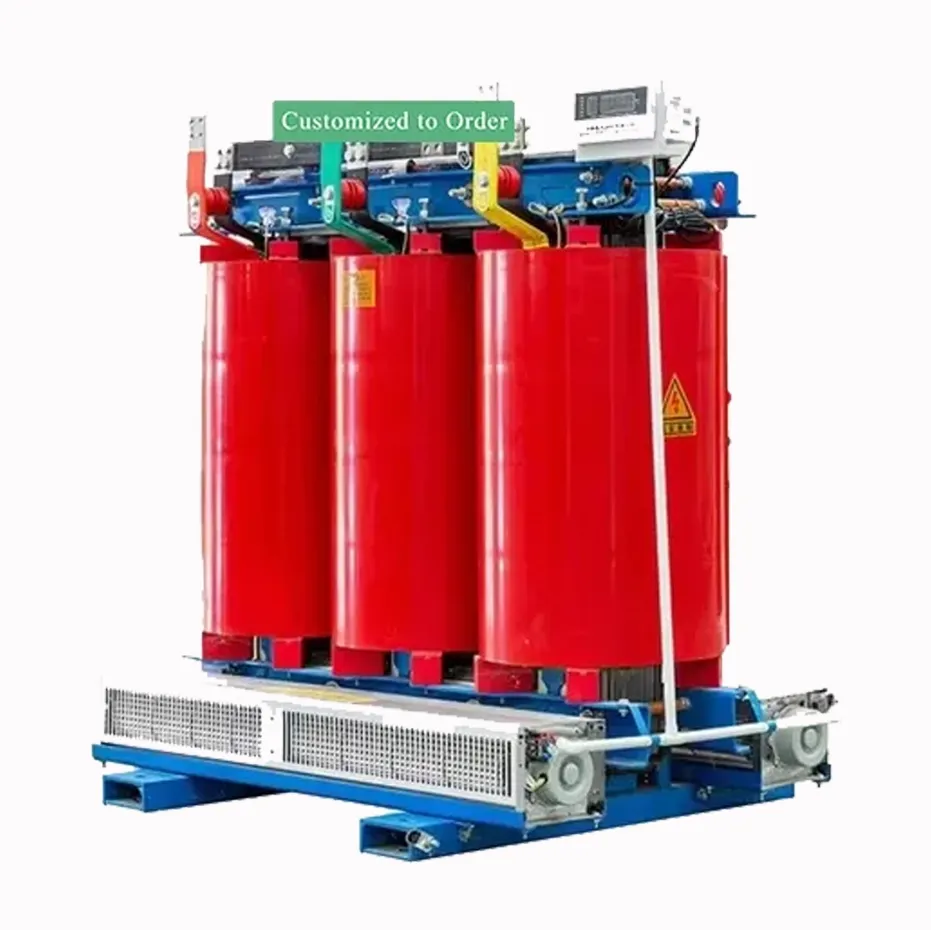
The Precision Core: Selecting High-Reliability Photovoltaic Distribution Transformers
In the rapidly shifting landscape of 2026 global energy infrastructure, the transition toward large-scale renewable generation has placed immense pressure on grid-interconnection technology. At the heart of every successful array lies the distribution transformer, a component that serves as the bridge between volatile direct current generation and the stable alternating current required for public consumption. These units are not merely passive hardware; they are critical infrastructure assets that must manage complex electrical stresses. Selecting the correct unit requires a deep understanding of specific electrical demands, including harmonic distortion, thermal stability under shifting irradiance, and the physical stresses imposed by intermittent power flows. For engineers and facility operators, making an informed selection is the foundation of long-term project viability.
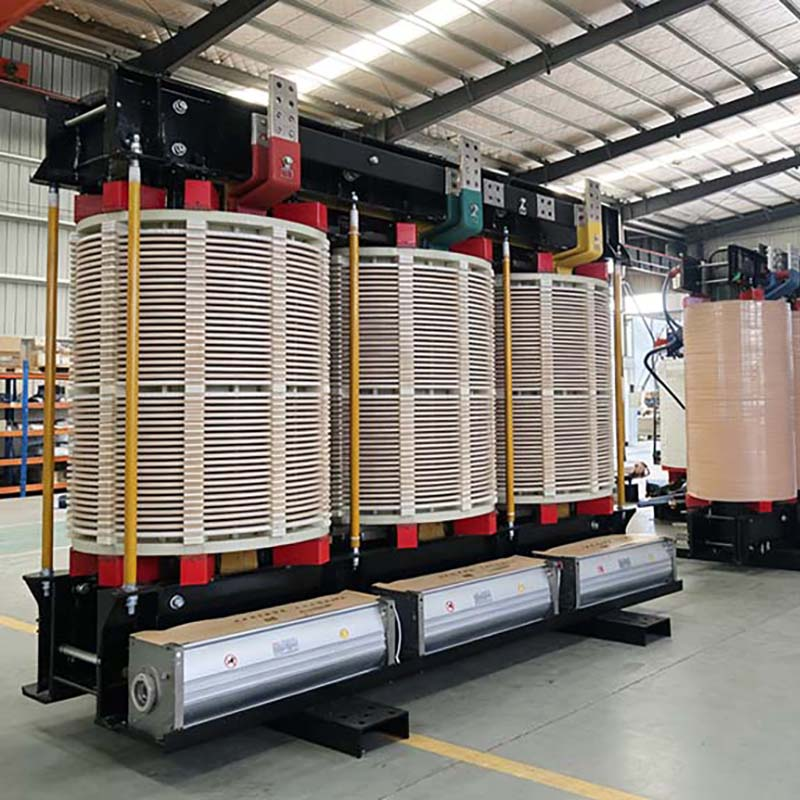
Managing Thermal Dynamics and Intermittent Loads
Unlike traditional distribution transformers designed for the relatively predictable, steady-state loads of a residential neighborhood or a standard office complex, solar-tied transformers operate under highly dynamic, aggressive conditions. Solar irradiance changes continuously throughout the day due to cloud cover, diurnal cycles, and seasonal shifts, forcing the transformer to manage constant, rapid variations in power throughput. This frequent thermal cycling creates physical stress on internal winding insulation and magnetic core materials that is significantly more severe than a static load profile. When evaluating a transformer for a photovoltaic application, it is imperative to prioritize a unit rated for high thermal resilience. Professionals should favor transformers equipped with advanced cooling configurations and robust insulation systems that can withstand the fatigue of daily, repeated thermal expansion and contraction without compromising long-term dielectric strength.
Addressing Harmonic Distortion and Signal Purity
Photovoltaic arrays rely on high-frequency inverters to perform the critical conversion from DC to AC power. While these inverters are marvels of modern engineering, they inevitably introduce significant harmonic distortion into the local electrical system. These harmonics can cause localized, dangerous overheating in the transformer windings due to eddy current losses and may lead to power quality issues that threaten strict grid compliance standards. The best-practice engineering approach involves specifying transformers with specialized electromagnetic shielding and precision-optimized core designs that are inherently resistant to harmonic heating. Reducing these distortions directly at the transformer interface is a vital step in maintaining total system efficiency and preventing the early, costly failure of power-sensitive downstream electronics.
Environmental Hardening for Rugged Deployments
Solar installations are frequently situated in remote, exposed, and physically rugged environments—ranging from arid, sun-scorched landscapes to high-humidity zones where atmospheric salt or moisture is a constant threat. Consequently, the environmental sealing of a transformer is a primary determinant of its operational lifespan. Selecting a unit with high-grade, corrosion-resistant tank coatings and advanced Ingress Protection (IP) ratings is essential for preventing the ingress of dust, salt, or moisture, all of which act as catalysts for internal oxidation. Furthermore, in environments subject to severe temperature extremes, utilizing transformers with climate-stabilized insulating fluids can prevent dielectric degradation. This physical robustness ensures that the unit remains reliable and maintenance-free regardless of the harsh, unpredictable variables present at the installation site.
Maximizing Operational Economics and Efficiency
In the context of 2026 renewable projects, every percentage point of transmission loss represents a direct, recurring reduction in project revenue. High-efficiency transformers, characterized by extremely low no-load and load losses, are critical for maximizing the economic output of an energy field over its intended service life. While the initial procurement cost of a high-efficiency transformer is marginally higher than standard market models, the reduction in energy waste over a twenty-year operational lifespan provides a clear, documented, and substantial return on investment. Furthermore, evaluating the transformer’s capacity to handle reactive power requirements can assist in grid stabilization, potentially unlocking additional financial benefits and ensuring that the project adheres to the increasingly stringent standards set by modern utility regulators.
Strategic Lifecycle and Predictive Maintenance
A transformer’s operational performance is only as good as the maintenance regime that supports it. Adopting a predictive maintenance strategy—such as dissolved gas analysis (DGA), routine insulation resistance testing, and periodic infrared thermography—allows operators to identify potential failures before they manifest as costly outages. Aligning the selection of the transformer with the site’s future expansion plans is also a mark of strategic planning; choosing a unit with slightly higher kVA overhead can provide the flexibility needed to scale energy arrays in the coming years without requiring a full system overhaul. By treating these transformers as core high-performance infrastructure assets, organizations protect their capital investment and ensure that the solar project maintains its peak output capacity throughout its entire service life.
Engineering Excellence and Supply Reliability
The long-term reliability of any renewable energy system is rooted in the quality of the drive components and the robustness of the manufacturing process. A successful solar infrastructure project requires a manufacturing partner capable of delivering industrial-grade precision and consistent, expert technical support. Apex Electrics stands as a pivotal partner in this domain, providing the manufacturing capacity and technical rigor needed to ensure that distribution solutions meet the most demanding international standards. By focusing on high-durability materials, precise assembly tolerances, and stringent quality control protocols, Apex Electrics ensures that its power systems remain stable and efficient throughout their entire operational lifespan. Choosing a manufacturing partner that prioritizes component integrity and provides the comprehensive infrastructure necessary to handle high-demand requirements is the most reliable way to maintain a safe, high-performance energy environment in any global setting.
Table of Contents
- The Precision Core: Selecting High-Reliability Photovoltaic Distribution Transformers
- Managing Thermal Dynamics and Intermittent Loads
- Addressing Harmonic Distortion and Signal Purity
- Environmental Hardening for Rugged Deployments
- Maximizing Operational Economics and Efficiency
- Strategic Lifecycle and Predictive Maintenance
- Engineering Excellence and Supply Reliability