 EN
EN

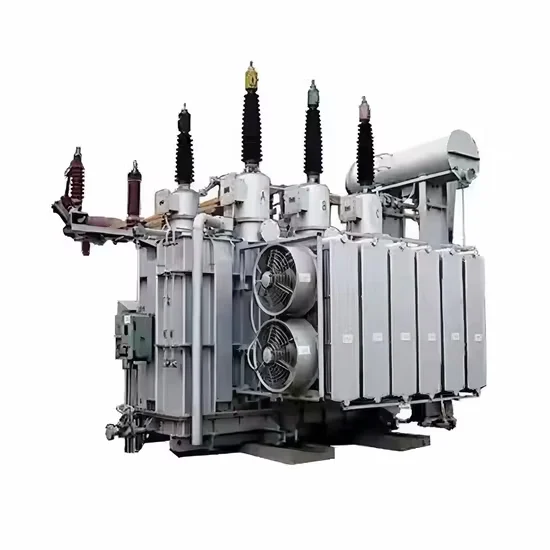
Modern electrical power grids represent some of the most complex, interconnected engineering marvels in human history, balancing continuous generation and consumption across vast geographical regions. As electricity travels from massive utility-scale generation sources toward urban centers and industrial zones, voltage must be precisely stepped up and down to minimize transmission loss. Through years of hands-on utility engineering consultations and high-voltage substation evaluations, observing how electrical grids manage massive power flows reveals that system stability relies entirely on heavy-duty electromagnetic regulation. At the very center of this massive infrastructural network sits the power transmission transformer, acting as the indispensable linchpin for grid stability and uninterrupted energy delivery. Understanding how these heavy-duty engineering assets operate and protect modern power systems reveals why meticulous manufacturing standards are vital for long-term electrical infrastructure reliability.
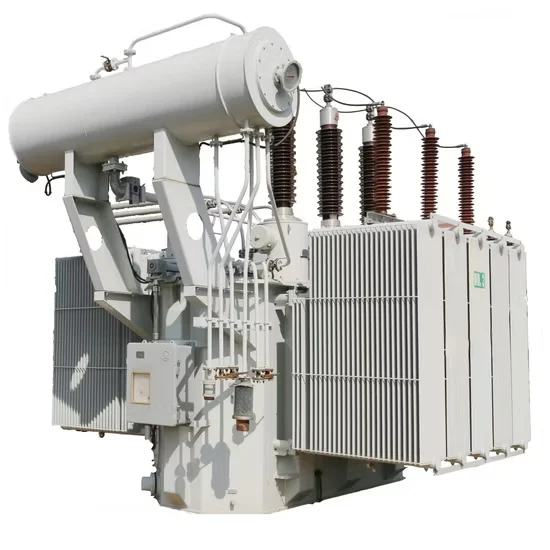
Stepping Up Voltage for Long-Distance High-Efficiency Transmission
Generating electricity efficiently typically occurs at moderate voltage levels, but transmitting that power across hundreds of miles of open terrain requires ultra-high voltages to overcome electrical resistance. When power plants generate electricity, a specialized power transmission transformer steps up the voltage to several hundred kilovolts before it enters high-voltage transmission lines. Raising the voltage substantially reduces the current flowing through the conductors, which exponentially decreases resistive thermal losses across extensive distances. Without this vital voltage elevation phase, moving massive electrical loads across regional grids would result in catastrophic energy dissipation, voltage degradation, and prohibitive operational overhead for utility providers.
Managing Dynamic Load Balancing and System Stability
Electrical grids face continuous, unpredictable fluctuations in power demand as millions of residential, commercial, and industrial consumers turn equipment on and off throughout the day. Maintaining grid stability under these volatile conditions requires sophisticated equipment capable of dynamically adjusting to shifting electrical loads. Power system engineering standards emphasize that a high-performance power transmission transformer incorporates advanced tap-changing mechanisms and robust magnetic core designs that help regulate voltage levels in real-time. By dynamically balancing voltage variations across interconnected substations, these transformers prevent localized brownouts, voltage sags, and catastrophic cascading blackouts during peak demand periods.
Withstanding Severe Environmental and Operational Stresses
Power transmission infrastructure operates outdoors in harsh weather conditions, enduring extreme ambient temperature swings, heavy precipitation, lightning strikes, and severe mechanical vibration. Furthermore, internal fault currents and sudden short circuits place immense electromagnetic stress on internal windings and core structures. Engineering a dependable power transmission transformer requires heavy-duty dielectric oil insulation, high-grade silicon steel laminates, and hermetically sealed tanks that protect internal components from moisture, oxidation, and thermal overload. These rugged structural safeguards ensure continuous operational resilience under extreme environmental duress without compromising electrical integrity.
Mitigating Fault Propagation and Protecting Downstream Substructures
When unexpected grid disturbances occur, such as lightning surges or equipment malfunctions, massive fault currents can travel rapidly through the network, threatening delicate substation assets and consumer infrastructure. Modern power transmission transformers are engineered with high thermal and mechanical short-circuit strength to absorb and dissipate massive transient energy spikes. By acting as a robust physical and electrical buffer between high-voltage transmission lines and regional distribution grids, these heavy-duty units isolate fault zones, suppress dangerous voltage spikes, and prevent widespread electrical damage across the broader utility network, ensuring absolute system safety.
The Apex Electrics Advantage in Power Grid Engineering
Achieving uncompromised grid reliability and long-term transmission stability requires an unwavering commitment to precision manufacturing, advanced electromagnetic research, and rigorous quality assurance. Apex Electrics brings an advanced level of industrial expertise to the global energy sector, overseeing every critical production phase from high-grade raw material sourcing to meticulous core assembly and high-voltage testing. By strictly controlling the manufacturing lifecycle and maintaining robust supply chain integration, Apex Electrics ensures that each power transmission transformer meets the absolute highest benchmarks for thermal performance, structural safety, and operational longevity. Relying on this deep manufacturing pedigree transforms standard electrical apparatus into high-end utility assets, delivering enduring reliability, precision engineering, and robust energy solutions to modern power grids worldwide.
Table of Contents
- Stepping Up Voltage for Long-Distance High-Efficiency Transmission
- Managing Dynamic Load Balancing and System Stability
- Withstanding Severe Environmental and Operational Stresses
- Mitigating Fault Propagation and Protecting Downstream Substructures
- The Apex Electrics Advantage in Power Grid Engineering