 EN
EN

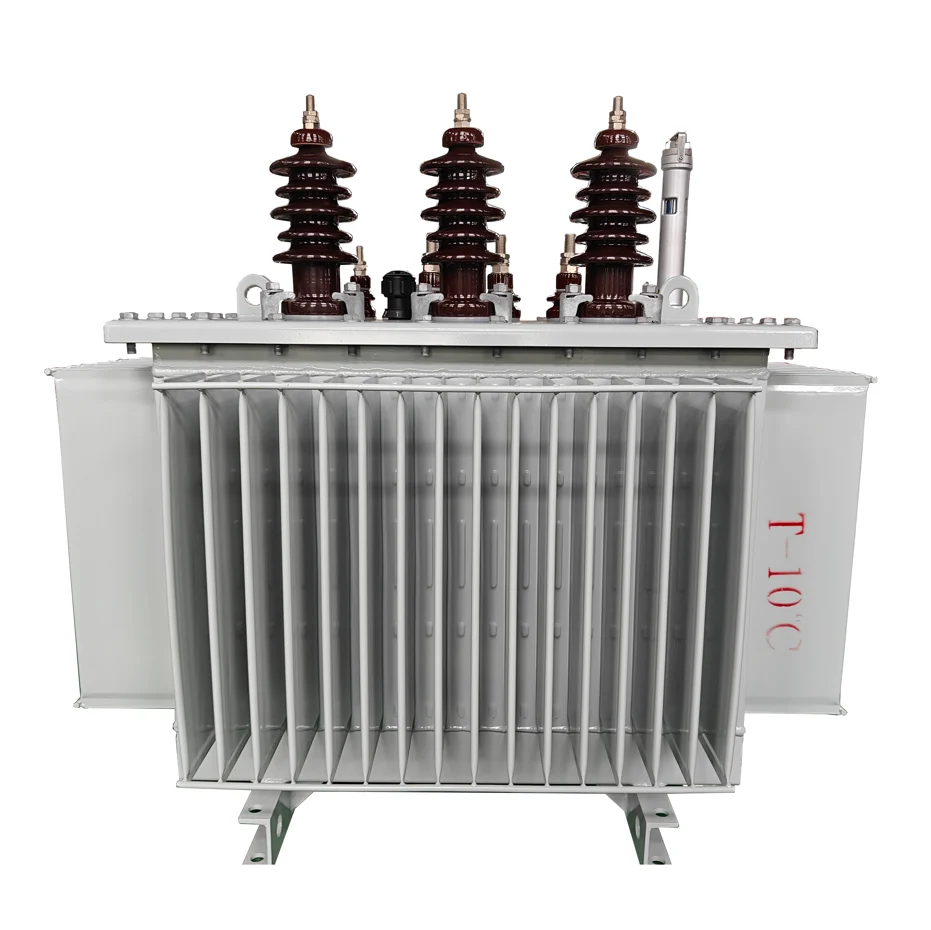
Modern electrical distribution systems rely heavily on robust electrical equipment to ensure uninterrupted power delivery from regional substations directly to commercial, industrial, and residential end-users. At the core of this vast electrical grid infrastructure, each distribution and power transformer operates continuously under demanding thermal, electrical, and mechanical stress. Through years of hands-on utility asset management consultations and high-voltage substation evaluations, observing how electrical grids handle persistent environmental wear reveals that reactive repair strategies routinely result in costly downtime. Implementing a proactive maintenance strategy is essential for maximizing operational longevity, preventing unexpected catastrophic failures, and protecting vital utility investments across global power networks.
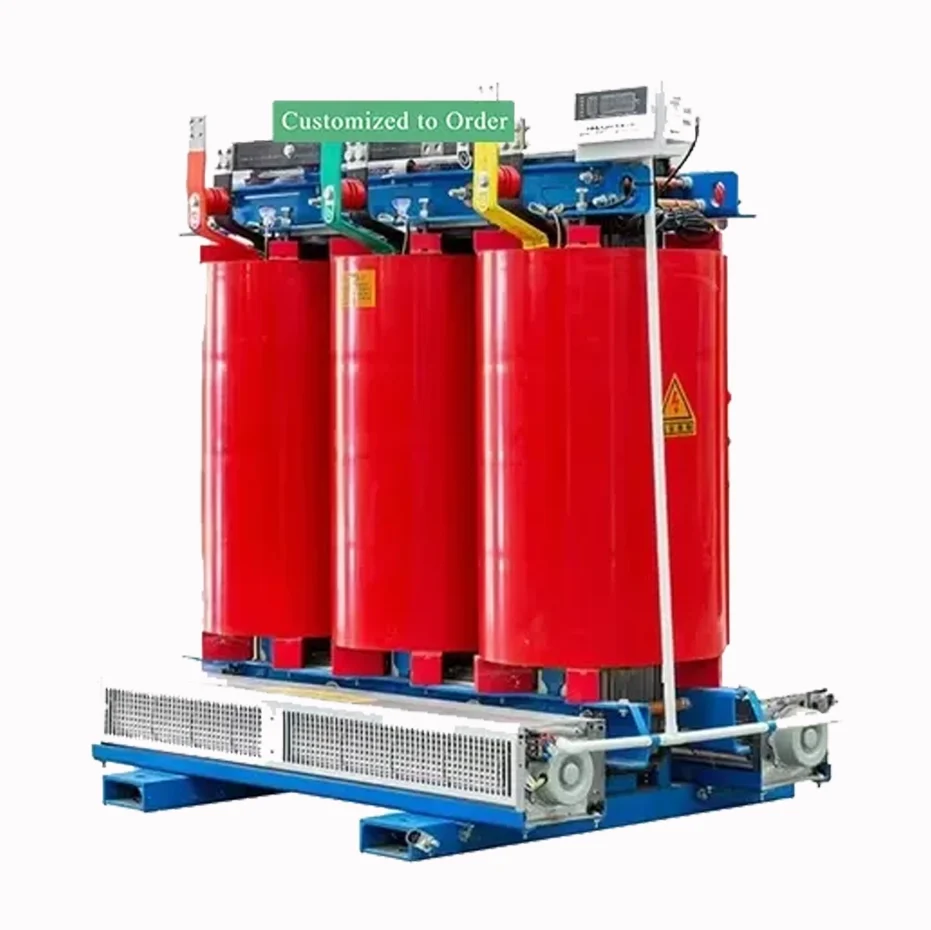
Implementing Regular Visual and Thermal Inspections
The foundation of any effective asset management program begins with routine visual and infrared thermographic inspections. Field engineers should regularly examine unit exteriors for signs of oil leaks, bushing cracking, rust accumulation, or physical damage caused by wildlife or severe weather. Utilizing thermal imaging cameras during peak operational hours allows maintenance teams to identify abnormal hot spots across bushings, connections, and cooling radiators before minor internal friction escalates into a major fault. Catching these early thermal anomalies significantly reduces unplanned downtime and extends the operational readiness of every installed distribution and power transformer across the network.
Monitoring Dielectric Fluid Health and Insulation Integrity
Inside oil-immersed electrical units, the insulating liquid serves a dual purpose by providing electrical insulation and vital thermal cooling. Over years of continuous operation, moisture ingress, oxygen exposure, and thermal degradation can contaminate the dielectric fluid, drastically reducing its breakdown voltage. Electrical engineering standards and diagnostic manuals emphasize that conducting periodic dissolved gas analysis and dielectric breakdown tests helps maintenance personnel detect early signs of internal arcing, overheating, or paper insulation decay. Filtering, purifying, or replacing contaminated oil at scheduled intervals ensures that the internal components of a distribution and power transformer remain thoroughly protected against short circuits and dielectric failure.
Managing Bushings, Gaskets, and Sealing Systems
External accessories such as porcelain bushings, surge arresters, and rubber gaskets are constantly exposed to atmospheric pollution, ultraviolet radiation, and rain. Accumulated grime, salt spray, or industrial dust on bushing surfaces can create leakage paths, resulting in flashovers during humid or stormy weather conditions. Routine cleaning of porcelain surfaces and inspecting rubber gasket seals for hardening or cracking prevent moisture from seeping into the main tank. Preserving the integrity of these external protective boundaries guarantees that a distribution and power transformer maintains high electrical isolation and environmental resilience throughout its demanding service life.
Testing Protective Relays and Cooling Subsystems
An electrical asset is only as reliable as its accompanying protection and cooling systems, which safeguard the unit during extreme grid disturbances. Maintenance technicians must regularly test sudden pressure relays, temperature sensors, and liquid level indicators to ensure prompt response during internal faults. Additionally, inspecting cooling fans, oil pumps, and heat exchanger fins prevents overheating when units operate near maximum rated capacity. Keeping these auxiliary control systems in pristine working order ensures that every distribution and power transformer reacts safely and efficiently to sudden overloads, transient surges, and unexpected network fluctuations.
The Apex Electrics Advantage in Grid Asset Management
Achieving long-term equipment reliability and minimizing life-cycle maintenance costs requires a combination of superior manufacturing standards and robust engineering support. Apex Electrics brings an advanced level of industrial expertise to the global energy sector, overseeing every critical production phase from high-grade raw material selection to rigorous electrical testing. By strictly controlling the manufacturing lifecycle and maintaining comprehensive supply chain integration, Apex Electrics ensures that each distribution and power transformer is built to withstand extreme operational stresses and environmental challenges. Partnering with an experienced manufacturer transforms routine maintenance into a strategic advantage, delivering enduring reliability, structural integrity, and exceptional performance to modern power networks worldwide.