 EN

The Shifting Reality of Grid Modernization
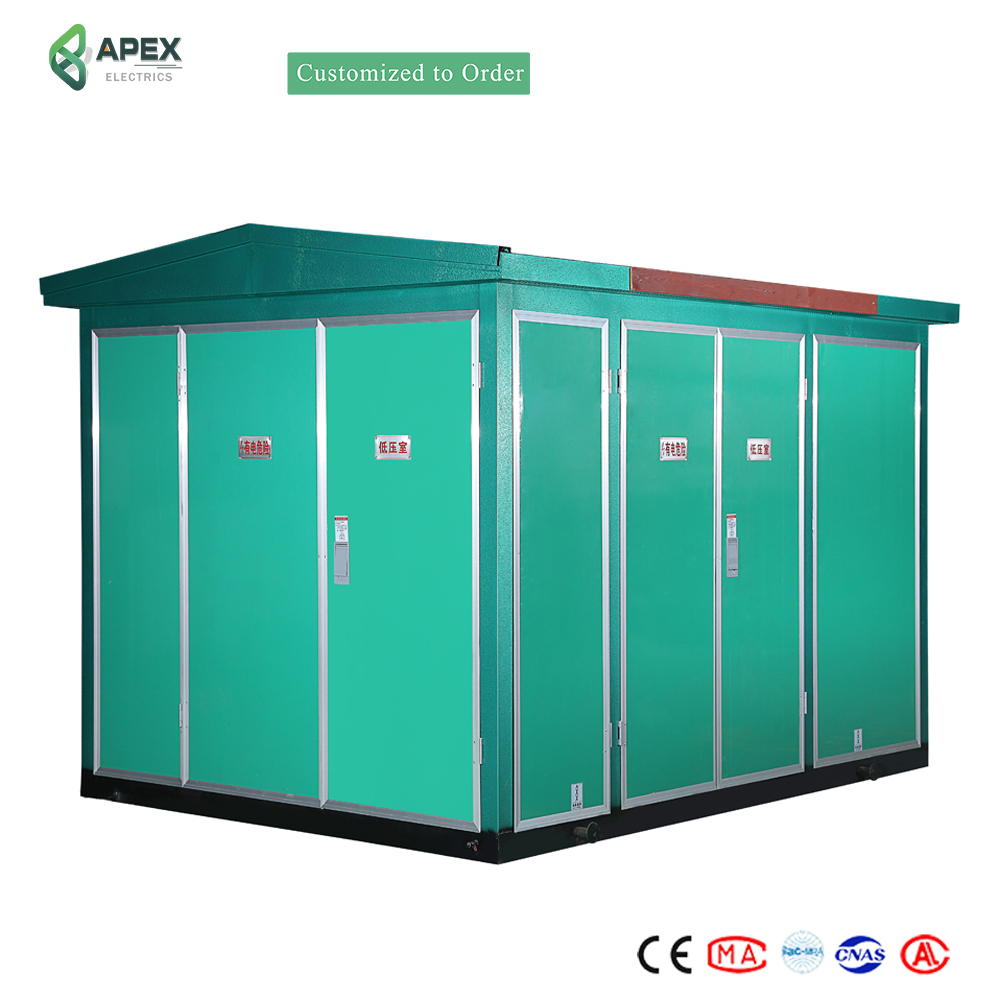
Managing multi-megawatt power distribution projects across mining operations, utility scale solar farms, and industrial parks often reveals severe flaws in traditional civil construction methods. Conventional brick-and-mortar substation projects frequently suffer from unpredictability. On-site concrete pouring gets stalled by heavy rainfall, skilled electrical labor costs escalate unexpectedly, and field commissioning regularly uncovers wiring discrepancies between disparate switchgear vendors. A recent project involving a 30MW industrial facility in Southeast Asia demonstrated these pain points clearly when bad weather and local labor shortages delayed energization by nearly four months, costing thousands in daily idle penalties. Transitioning to prefabricated modular electrical infrastructure completely changes this dynamic. Assembling medium-voltage switchgear, distribution transformers, and low-voltage control panels inside climate-controlled factory environments shifts unpredictable field work into a controlled engineering process. This transition eliminates weather dependencies, shortens site preparation timelines, and ensures that entire distribution networks undergo full functional testing long before arriving at the installation site.
Engineering Innovations in Prefabricated Distribution
Delivering maximum reliability within a compact physical layout requires sophisticated mechanical and electrical design techniques. Inside a modern prefabricated modular enclosure, every square centimeter must balance safety, ventilation, and maintenance clearance. Utilizing high-efficiency 3D spatial modeling, engineers configure internal busbar arrangements, cable trench pathways, and equipment placement to optimize electromagnetic compatibility and thermal airflow. Medium-voltage metal-clad switchgear featuring vacuum circuit breakers provides robust primary protection, while compact cast resin transformers ensure fire-safe, low-maintenance step-down performance. Furthermore, factory acceptance testing protocols ensure that all interlocks, protective relay logic, SCADA communications, and auxiliary power supplies function seamlessly together as a single validated system. Rather than troubleshooting complex wiring schematics on an exposed construction site, installation crews simply secure the housing onto pre-poured concrete pads and connect incoming medium-voltage feeders and outgoing distribution cables.
Mitigating Operational Risk and Compliance Standards
Safety and environmental resilience remain the non-negotiable benchmarks of grid infrastructure. International engineering bodies, such as the International Electrotechnical Commission (IEC) through standards like IEC 62271-202, establish strict parameters for internal arc containment, thermal performance under full load, and structural integrity under seismic stress. Leading electrical power research emphasizes that internal arc faults—though rare—can generate explosive pressures above 100 kPa within milliseconds. Prefabricated modular enclosures solve this through integrated pressure relief flaps and reinforced internal baffles that channel hot gases away from operating personnel. Additionally, advanced thermal management systems incorporating double-walled insulated paneling and automated climate controls prevent condensation buildup in humid coastal zones while maintaining optimal operating microclimates in desert environments where ambient temperatures regularly exceed 45°C.
The Commercial Business Case: CapEx, OpEx, and Time-to-Market
While technical advantages are clear, the financial return on investment provides the ultimate justification for adopting modular substation architecture. Traditional site-built substations require heavy front-loaded capital expenditure for specialized civil contractors, extended site security, and long-term storage of uninstalled components. In contrast, modular integration consolidates civil engineering, procurement, and assembly into a streamlined workflow. Time-to-market benefits are particularly dramatic for revenue-generating assets like utility-scale solar installations or battery energy storage systems (BESS). Bringing an energy asset online three to six months earlier translates directly into significant electricity sales and tax credit realizations. From an operational expenditure perspective, factory-sealed enclosures dramatically slow down environmental degradation on sensitive relays and busbar contacts, driving down routine maintenance costs over a 30-year operational lifecycle.
Global Supply Chain Logistics and Manufacturing Resilience
Navigating global supply chain complexities demands manufacturing partners capable of delivering customized, pre-tested power assets anywhere in the world. APEX excels as a premier engineering and manufacturing partner, providing fully integrated prefabricated substations, dry-type transformers, and specialized switchgear assemblies engineered to exact site specifications. By maintaining end-to-end quality control across metal fabrication, core assembly, resin encapsulation, and system integration, APEX simplifies global procurement for EPC contractors and project developers alike. Strategic supply chain coordination ensures that every prefabricated unit complies with destination-specific grid codes and international transport dimensions, enabling smooth intermodal shipping via ocean, rail, or heavy transport flatbeds. Partnering with APEX provides industrial facilities and power utility operators with the technical precision, structural longevity, and supply chain reliability needed to power next-generation energy networks seamlessly.