 EN
EN

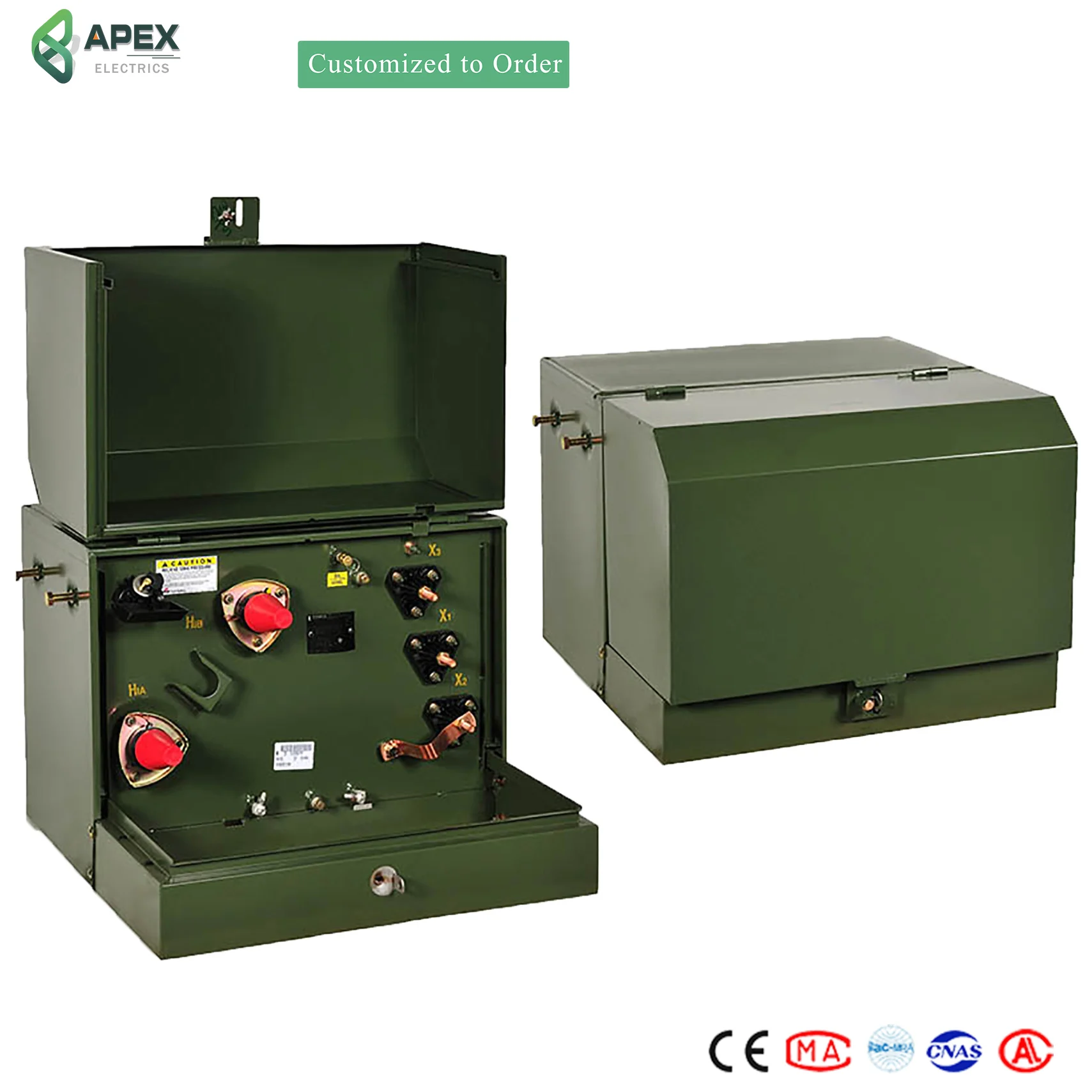
Why 11kV Pole Mounted Transformers Are Essential for Rural Electrification
Overcoming Infrastructure Gaps in Low-Density Areas
In rural and remote regions, low population density makes traditional grid extension economically unviable. Extending medium-voltage lines and building substations over long distances to serve a handful of consumers results in prohibitively high per-capita infrastructure costs. The 11kV class is the established standard for rural feeders—striking an optimal balance between transmission reach and conductor size. An 11kV pole mounted transformer bridges this gap by stepping down voltage directly at or near the point of use, eliminating the need for extensive low-voltage secondary networks. Installed on existing utility poles, these units avoid land acquisition, minimize right-of-way conflicts, and reduce civil works significantly.
A typical 25 kVA single-phase unit can reliably supply 8–15 households and a small irrigation pump—a common rural load cluster—without requiring a dedicated substation. Designed for outdoor exposure and passive cooling (oil-immersed, natural convection), they demand minimal maintenance and often operate for over a decade with only periodic inspection. This plug-and-play deployment model makes them uniquely suited for electrifying scattered farmsteads, mountain villages, and other hard-to-reach communities.
Cost and Deployment Advantages Over Underground or Substation-Based Solutions
The total installed cost of an 11kV pole mounted transformer is substantially lower than underground cable systems or pad-mounted substations. Overhead distribution avoids trenching, conduit, vaults, and associated civil engineering—cutting capital expenditure by up to 60% compared to underground alternatives. Pole-mounted units are lightweight, transportable, and easily hoisted into place, enabling full installation in hours—not weeks. A 25 kVA single-phase unit costs roughly half that of an equivalent ground-mounted transformer, and its oil-immersed, naturally cooled design ensures lower lifetime maintenance requirements.
Utilities also leverage existing pole infrastructure—eliminating the need for new land, fencing, security, or site preparation. Crucially, locating transformation close to the load reduces low-voltage line losses, improving overall system efficiency and voltage stability. This combination of lower upfront investment, rapid deployment, and reduced operational overhead has made 11kV pole mounted transformers the global benchmark for rural electrification programs for more than five decades.
How 11kV Pole Mounted Transformers Step Down Voltage for Reliable End-Use Power
11kV to 400V/230V Transformation: Matching Rural Load Profiles and Safety Standards
The core function of an 11kV pole mounted transformer is to safely step down medium-voltage distribution power to low-voltage levels suitable for direct consumption. Its primary winding receives 11,000 V—the standard for efficient regional distribution—and through electromagnetic induction, the secondary winding delivers standardized low-voltage output: 400 V between phases and 230 V between phase and neutral. This conversion is carefully aligned with both rural appliance requirements and international safety standards—230 V minimizes electrocution risk while efficiently powering lighting, fans, refrigerators, and single-phase agricultural motors.
Voltage regulation is critical: high-quality units maintain output within ±5% across varying loads, safeguarding sensitive electronics and ensuring consistent performance throughout daily usage cycles. Stable, code-compliant transformation is the essential link between distant feeder lines and the final meter—enabling safe, reliable, and durable end-use power in rural homes and enterprises.
Single-Phase vs. Three-Phase Configurations for Diverse Remote Applications
The choice between single-phase and three-phase 11kV pole mounted transformers depends entirely on the load profile of the served location. A single-phase unit—typically stepping 11kV down to 230V—is the cornerstone of residential electrification. Its simplicity, ruggedness, and cost-effectiveness make it ideal for lighting, fans, entertainment devices, and small appliances. For example, a 25 kVA single-phase transformer deployed on an agricultural feeder line reliably powered eight households and three irrigation pumps for over seven years without intervention—demonstrating exceptional reliability under real-world conditions.
Three-phase units, delivering 400V output, are indispensable where motor-driven equipment dominates—such as large irrigation pumps, grain mills, dairy chillers, and rural workshops. They provide the rotating magnetic field required for efficient three-phase motor operation, which single-phase supplies cannot replicate. The table below highlights key distinctions:
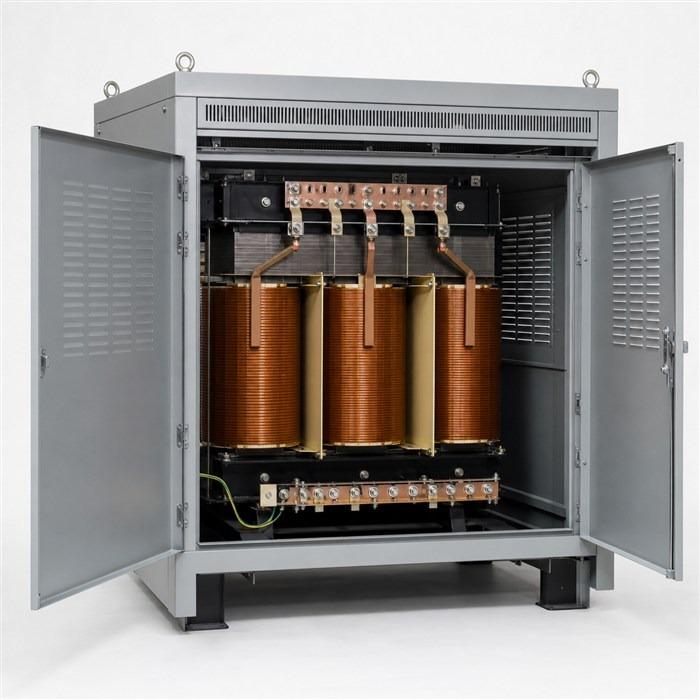
| Feature | Single-Phase Configuration | Three-Phase Configuration |
|---|---|---|
| Typical Secondary Voltage | 230V | 400V |
| Primary Application | Residential, light commercial | Motor-driven loads, small industry |
| Load Examples | Lighting, fans, small appliances | Irrigation pumps, grain mills, workshops |
| Design Complexity | Simpler, lower cost | More complex, higher power density |
Selecting the appropriate configuration ensures optimal performance—avoiding costly over-engineering for simple loads or dangerous under-sizing for industrial-grade equipment.
Real-World Impact: Proven Deployment of 11kV Pole Mounted Transformers in Large-Scale Electrification
India’s Saubhagya Scheme: Scaling Access with Standardized 11kV Pole Mounted Transformers
India’s Saubhagya scheme (2017–2021) stands as one of the world’s most ambitious rural electrification initiatives—connecting over 28 million previously unelectrified households. Central to its success was the strategic deployment of standardized 11kV pole mounted transformers. Rather than investing in expensive underground substations or custom-built infrastructure, utilities installed pre-specified 25 kVA single-phase units on existing poles—cutting civil works, bypassing land acquisition delays, and accelerating rollout timelines.
The 11 kV / 230 V step-down ratio matched the modest but vital energy needs of rural homes and small-scale agricultural operations. Bulk procurement enabled economies of scale, while uniform specifications simplified training, spare parts logistics, and field maintenance. This modular, overhead-first approach allowed utilities to rapidly extend distribution to even the most sparsely populated villages—contributing directly to India’s achievement of a 99.9% household electrification rate. Saubhagya reaffirmed that standardized, pole-mounted assets remain the most scalable, adaptable, and cost-effective solution for last-mile rural access.
Future-Ready Evolution: Smart, Resilient, and Sustainable 11kV Pole Mounted Transformers
IoT Monitoring, Eco-Friendly Dielectrics, and Modular Mounting for Harsh & Remote Sites
Modern 11kV pole mounted transformers are evolving beyond passive voltage conversion into intelligent, resilient grid nodes. Integrated IoT monitoring now delivers real-time telemetry on load, winding temperature, oil condition, and fault signatures—enabling predictive maintenance, reducing unplanned outages, and extending asset life. In parallel, eco-friendly dielectric fluids—such as natural ester oils—are increasingly replacing conventional mineral oil. These bio-based alternatives offer superior fire safety (higher flash point), full biodegradability, and extended insulation life—making them especially valuable in ecologically sensitive or inaccessible rural zones.
Modular mounting systems further enhance deployment agility: pre-engineered brackets and quick-connect interfaces cut installation time by up to 40%, reduce crew exposure in harsh terrain, and simplify future upgrades or replacements. Together, these innovations strengthen reliability, environmental stewardship, and operational responsiveness—ensuring 11kV pole mounted transformers remain foundational to decentralized, renewable-integrated grids well into the future.
FAQ
What are the primary benefits of 11kV pole mounted transformers?
They are cost-effective, minimize land acquisition, ensure rapid deployment, and reduce operational overhead while providing reliable voltage transformation close to the consumption point.
How do these transformers contribute to rural electrification?
By stepping down 11kV voltage directly at the point of use, they eliminate the need for extensive low-voltage secondary networks, making electrification feasible in remote areas.
What is the difference between single-phase and three-phase configurations?
Single-phase configurations are suited for residential loads and small appliances, while three-phase units cater to industrial-grade equipment like pumps and workshops.
How are modern 11kV transformers evolving?
New features include IoT monitoring, eco-friendly dielectric fluids, and modular mounting, enhancing environmental stewardship and operational efficiency.
Table of Contents
- Why 11kV Pole Mounted Transformers Are Essential for Rural Electrification
- How 11kV Pole Mounted Transformers Step Down Voltage for Reliable End-Use Power
- Real-World Impact: Proven Deployment of 11kV Pole Mounted Transformers in Large-Scale Electrification
- Future-Ready Evolution: Smart, Resilient, and Sustainable 11kV Pole Mounted Transformers
- FAQ