 EN

Why Scalability Demands Modular Substations
Urban Load Growth Outpacing Traditional Grid Expansion
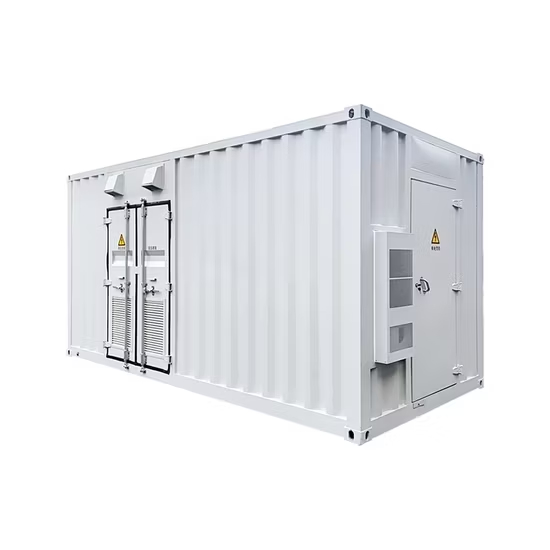
Urban electricity demand is rising faster than conventional substation construction can keep pace. Heat pumps, data centers, EV charging infrastructure, and building electrification concentrate load in neighborhoods where land is scarce and permitting timelines are long. Traditional substations require large permanent footprints, months of civil work, and disruptive grid outages for tie-ins. Modular substations eliminate these bottlenecks: compact, factory-assembled enclosures install on smaller sites with minimal site preparation. This shift is transformative—not incremental. The global modular substation market was valued at USD 17–18.8 billion between 2022 and 2024, driven by urbanization, aging grid replacement, and smart grid investment. In China alone, grid modernization spending reached USD 442 billion from 2021 to 2025. For operators facing multi-year lead times on conventional assets, modular units enable phased deployment—scaling capacity precisely as load grows, without waiting for full site build-out. The outcome is faster service connections, reduced land-use conflict, and infrastructure sited closer to demand.
The Incremental Capacity Advantage: Expand Without Full Reconstruction
Traditional scalability often forces complete station redevelopment when load exceeds design limits. Modular designs invert that logic: operators add pre-engineered bays, transformer units, or switchgear modules alongside existing assets—without de-energizing circuits or halting operations. This incremental approach avoids full reconstruction, lowers capital risk, and preserves service continuity in mission-critical locations like hospitals, transit corridors, and industrial parks. Because components are standardized, utilities procure additional capacity in smaller, budgeted increments rather than one large capital project. The medium voltage segment alone is projected to exceed USD 14.2 billion by 2034—a reflection of sustained demand for scalable, replaceable modules. As load growth becomes less predictable, the ability to expand in controlled, repeatable steps has evolved from a construction convenience into a core resilience strategy. These systems let the grid scale at the speed of demand—not the speed of bureaucracy.
Modular Substations in Action: Real-World Deployment Models
Utility-Scale Adoption Across Distributed Generation and Microgrids
Utilities confronting rapid load growth and renewable intermittency increasingly deploy modular substations as standardized grid interface points for distributed generation and microgrids. Pre-assembled units sit close to solar arrays, wind farms, and battery storage clusters—reducing line losses and simplifying protection coordination. For remote or islanded communities, modular microgrids integrate photovoltaics, wind turbines, and batteries into a single switchable block, replacing diesel-only backup with cleaner, dispatchable capacity. An urban transit corridor in India used compact substations along elevated rail tracks to conserve land while maintaining uninterrupted traction power. A German wind farm connected 15 turbines to the local grid via a modular substation equipped with smart relays to balance variable output. These examples demonstrate how standardized enclosures, factory-tested switchgear, and transportable footprints let operators add capacity in stages—without rebuilding primary substations. The result is a resilient, responsive distribution layer that aligns capital expenditure with actual load growth and supports stability under fluctuating renewable generation.
Strategic Integration with EV Charging Corridors and Renewable Hubs
EV charging corridors require repeatable, high-capacity grid connections at sites often lacking existing substation infrastructure. Modular substations deliver compact, factory-assembled packages integrating medium-voltage switchgear, transformers, and protection systems—enabling rapid deployment at highway plazas and fleet depots. Standardized designs allow utilities to energize multiple stations along a corridor using identical approval and commissioning workflows, slashing engineering time and field labor. Renewable hubs benefit similarly: co-located modular substations step up solar or wind output and actively manage voltage variations before export. Because capacity scales incrementally, these installations avoid stranded assets as more chargers or generation capacity come online. By standardizing the grid interface, modular substations transform dispersed charging and clean energy sites into a coordinated, flexible network—not isolated projects.
Speed-to-Service: How Modular Substations Accelerate Grid Modernization
Offsite Fabrication Benefits vs. Quality Assurance Protocols
Offsite fabrication compresses traditional timelines dramatically: modular substations are assembled and fully tested in controlled factory environments—not exposed outdoor sites. This shift reduces overall deployment schedules by 50–60%, often moving commissioning from years to weeks, while improving repeatability and consistency. Factory-based quality assurance protocols—including standardized insulation resistance testing, protective relay calibration, and full-load simulation—minimize weather-related delays and costly field rework. Conventional onsite construction remains vulnerable to variable craftsmanship, material staging issues, and access constraints. Offsite manufacturing also cuts on-site waste by 20–30%, per recent project analyses. Importantly, factory testing does not eliminate final site commissioning—it shifts quality risk earlier in the project lifecycle, where defects are cheaper and faster to correct. Utilities gain measurable quality metrics, lower labor costs, and shorter handover cycles—enabling safer, more predictable grid modernization. This factory-first model delivers speed without compromising compliance, reliability, or safety.
Future-Proofing with Modular Substations: Enabling Renewable Integration
Agile Reactive Power Support for Intermittent Generation
Renewable-heavy grids require frequent, precise voltage and reactive power adjustments as solar and wind output fluctuates. Global renewable capacity additions surged by roughly 50% in 2023—to nearly 510 GW (IEA 2024)—intensifying stress on legacy infrastructure. Modular substations empower utilities to add reactive power control in small, targeted steps: capacitor banks, reactors, and power-electronics-based compensation systems integrate directly into modules and deploy close to variable generation sites. This proximity reduces line losses, improves fault ride-through performance, and maintains voltage within operational limits. Because functional modules arrive pre-tested and configured, operators can swap, upgrade, or scale them as local renewable penetration increases—shortening planning cycles and sustaining stable service through cloud cover, wind lulls, or sudden ramp events.
Pre-Engineered Digital Interfaces for Solar and Wind Farms
Pre-engineered digital interfaces embedded in modular substations simplify integration with solar and wind plants. Standardized communication protocols—including IEC 61850—enable seamless flow of monitoring, protection, and control data to grid operators. Remote alarm handling, automated fault isolation, and real-time asset health tracking reduce the need for onsite visits. Modules can include cybersecurity controls, time-synchronized data acquisition, and SCADA-ready interfaces—factory-installed and verified. This eliminates lengthy custom engineering, slashes commissioning time, and gives renewable developers a repeatable, plug-and-play grid connection package across multiple projects. As renewable hubs scale, digital-ready substations help teams maintain visibility, control, and responsiveness—without sacrificing speed or security.
FAQs
What is a modular substation?
A modular substation is a prefabricated, compact unit that houses key electrical equipment like transformers, switchgear, and protection systems. These units are factory-assembled and tested, enabling faster deployment compared to traditional substations.
Why are modular substations important for urban areas?
Urban areas often experience rapid load growth, lack of land, and lengthy permitting processes. Modular substations are compact, require minimal site preparation, and support incremental capacity additions, making them ideal for urban infrastructure needs.
How do modular substations support renewable energy integration?
Modular substations can be strategically located near renewable energy sites like solar or wind farms. They support agile reactive power control, reduce line losses, and provide plug-and-play grid connections that are scalable and efficient.
What are the key benefits of offsite fabrication?
Offsite fabrication of modular substations shortens deployment timelines by 50–60%, improves quality through factory testing, and minimizes on-site waste and construction errors, leading to safer and more predictable grid modernization projects.
How do modular substations support EV charging infrastructure?
Modular substations provide compact, high-capacity grid connections essential for EV charging corridors. Their standardized packages enable rapid deployment, reduce engineering time, and allow for the coordination of multiple charging stations in a flexible network.
Can modular substations handle growing energy demands?
Yes, modular substations allow for phased deployment and incremental capacity expansion by integrating more modules as needed. This approach scales the grid at the rate of demand growth without requiring complete station reconstruction.
Table of Contents
- Why Scalability Demands Modular Substations
- Modular Substations in Action: Real-World Deployment Models
- Speed-to-Service: How Modular Substations Accelerate Grid Modernization
- Future-Proofing with Modular Substations: Enabling Renewable Integration
-
FAQs
- What is a modular substation?
- Why are modular substations important for urban areas?
- How do modular substations support renewable energy integration?
- What are the key benefits of offsite fabrication?
- How do modular substations support EV charging infrastructure?
- Can modular substations handle growing energy demands?