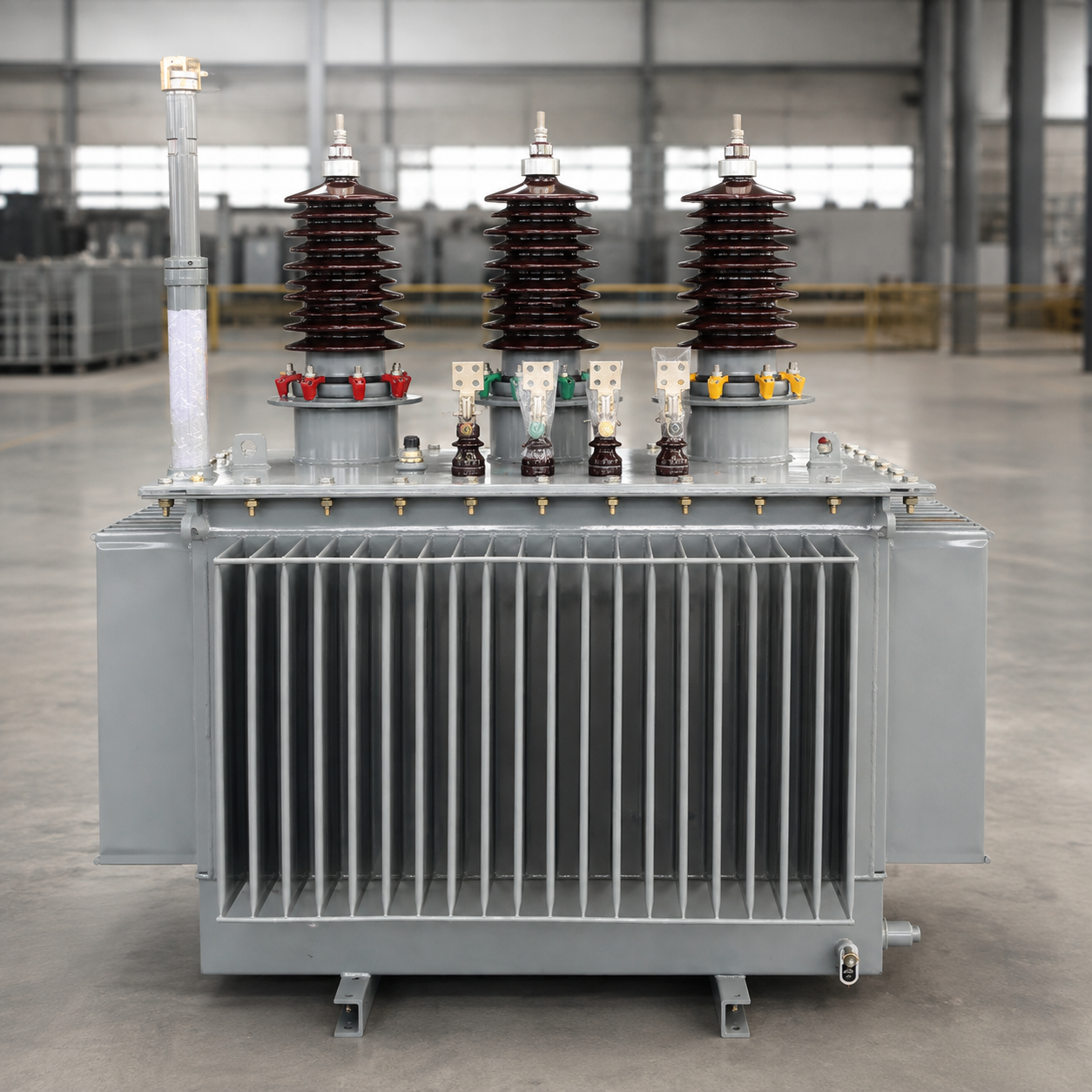
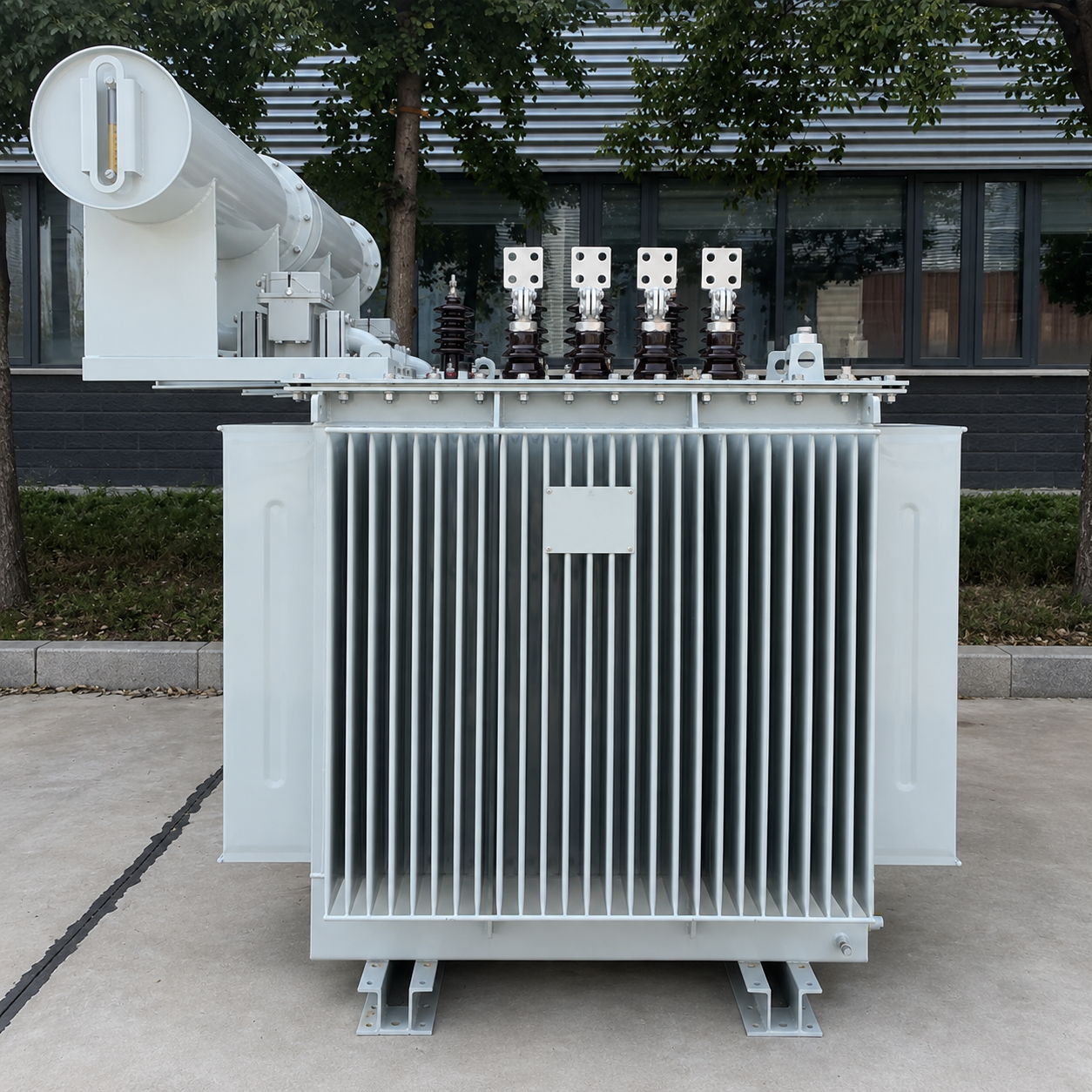
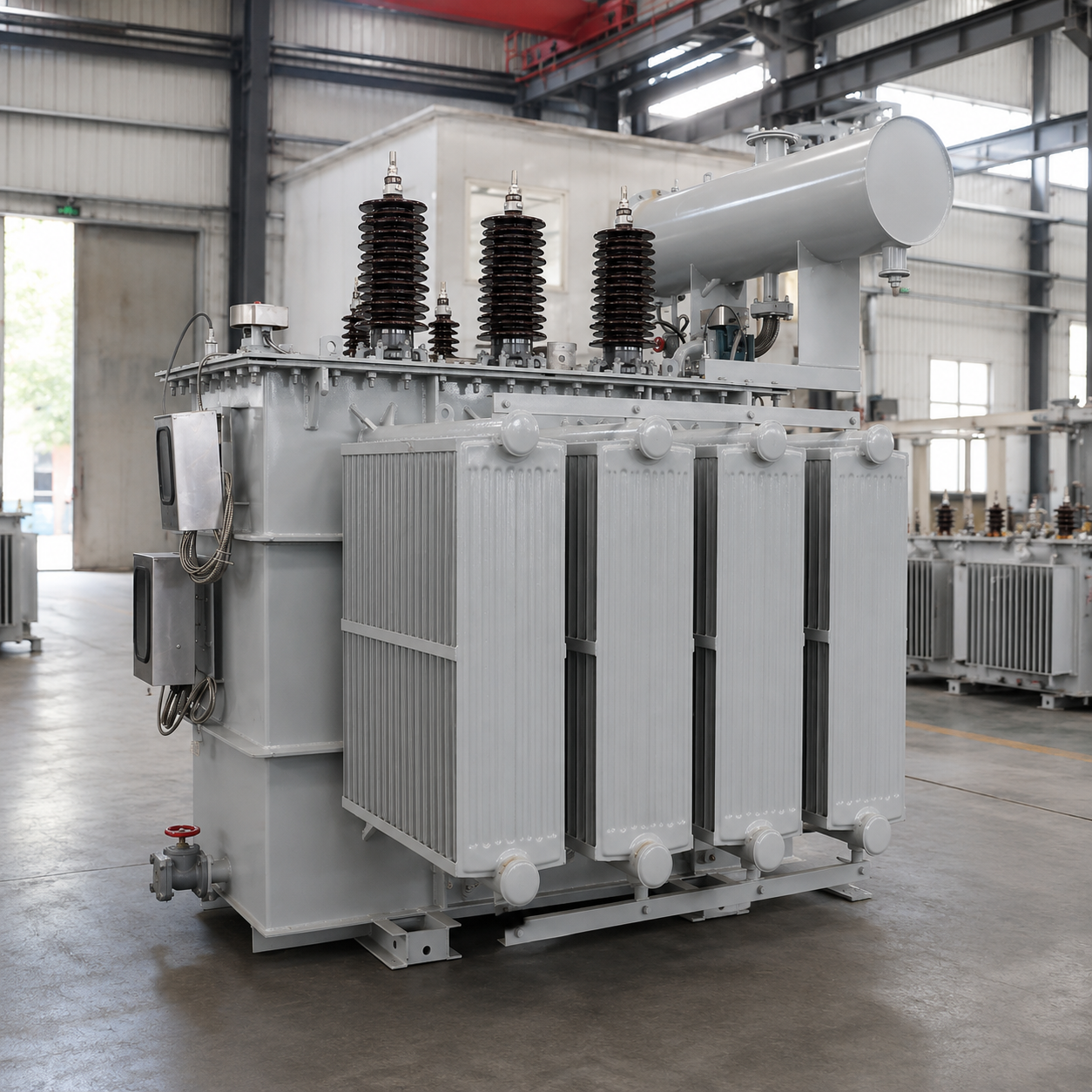
Check the Load Before Choosing a Rating
A transformer 2500 kva request starts with a clear view of the load. List the equipment that will run at the same time and note how its demand may change during the day. For a planned factory expansion, for example, record both the present load and the equipment planned for the next phase. The project engineer can use this list to assess the required apparent power and margin.
Keep kW and kVA distinct. Power factor links real power in kW to apparent power in kVA. A kW total alone does not settle the transformer rating. Note the source of each load value. Say if it is a measured peak or a nameplate figure. Large motors and other loads may also affect the starting duty. Ask the design team to check those conditions rather than assuming that a single total tells the whole story.
A transformer 2500 kva rating is a starting point, not a promise that a unit will fit every job. Ambient heat, altitude, load cycles and the cooling arrangement can affect how the rating applies. Give the supplier the expected site conditions so the proposed unit can be reviewed on the same basis as the load study.
Match the Supply and Output
Next, identify the voltage on both sides of the transformer. The supply voltage must fit the network. The output must suit the loads and the distribution board. Confirm the system frequency and phase arrangement as well. For a transformer 2500 kva project, a voltage in a listing name still needs a full rating review.
Ask the engineer to state the required vector group, neutral and earthing scheme. These choices affect how the unit connects to the rest of the system. Note any tap range needed to deal with supply voltage variation. A tap position should not be chosen in isolation from the utility rules and the design of the wider network.
Short circuit levels and protection settings also matter. Request the proposed impedance and check it against the network study. The project team should confirm breaker duties, fault levels and the way protective devices work together. These checks must use the data for the actual offered unit, not a value taken from a similar looking catalog item.
Plan the Site and Interfaces
Make a site plan for the transformer 2500 kva before settling on an enclosure or layout. Record the space available for the unit, cable routes, access doors and a safe working area. If the room is enclosed, have the site team assess ventilation and heat removal. A cooling label cannot replace a review of actual site conditions. For an oil filled unit, the designer should also assess containment, fire measures and local rules.
Ask for outline drawings and weights for the offered unit. Use them to check the base, lifting route and access for future work. Include the space needed to reach terminals and carry out inspection. A tight doorway or an overhead beam can change the plan even when the floor area looks sufficient.
Define the high and low voltage interfaces early. Mark the cable or busbar entry points, terminal arrangement and phase sequence on the project drawings. Agree on the boundary between the transformer, switchgear and site works. Qualified staff should design and install the unit under local rules. This guide cannot replace their review.
Compare Offers on the Same Basis
For a transformer 2500 kva quote, send each supplier the same load summary, system details and site constraints. Ask for a written scope that identifies the proposed rating, voltage, cooling, taps and connection group. Mark any item that remains open rather than assuming it is included. Check the scope of accessories and drawings as well as the unit itself.
A low initial price does not by itself show the full cost of ownership. Review the offered loss data, expected duty and any site work in the context of the project. The design team can compare the options using its own energy assumptions. Do not treat a generic catalog claim as a measured result for the unit being bought.
Before placing an order, agree on the documents and acceptance checks needed for the project. Confirm which records will be supplied, who will review them and which items are still subject to agreement. This gives both the buyer and supplier a clear basis for the next step.
 EN