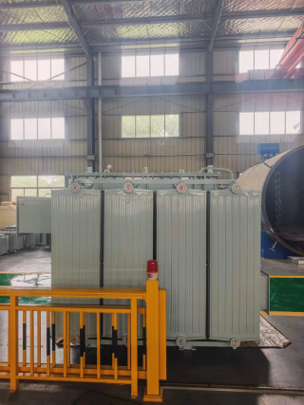
Start with the load profile
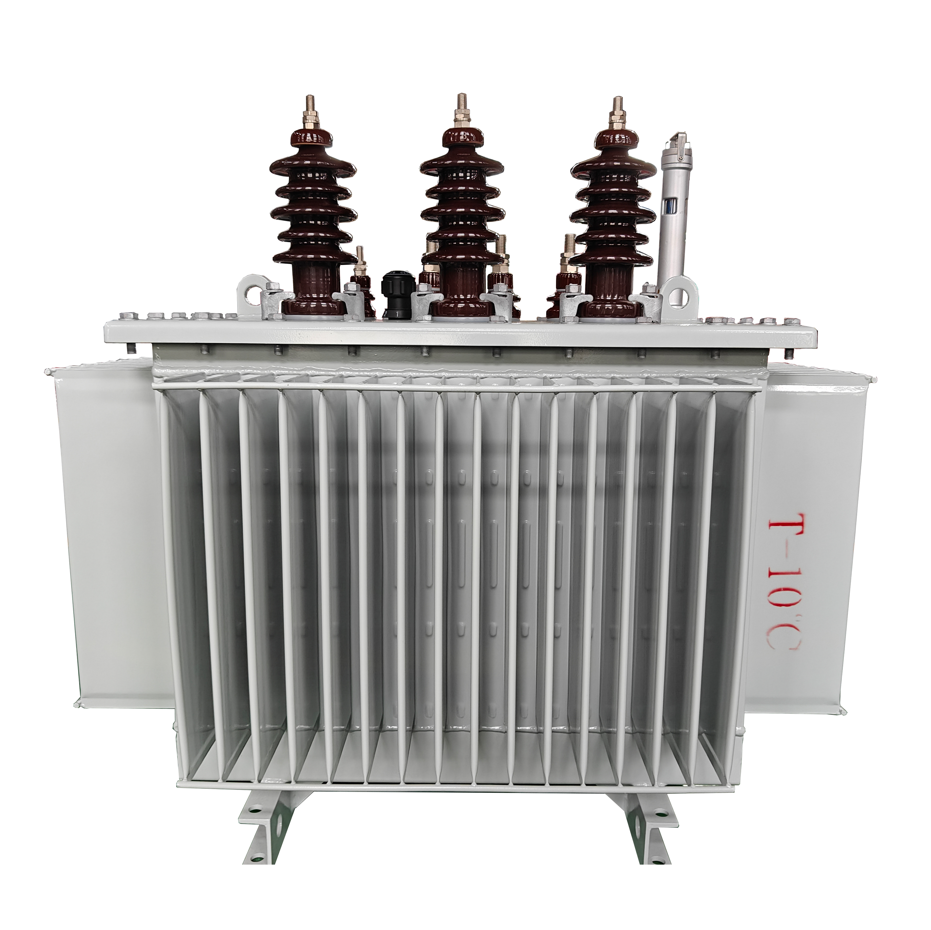
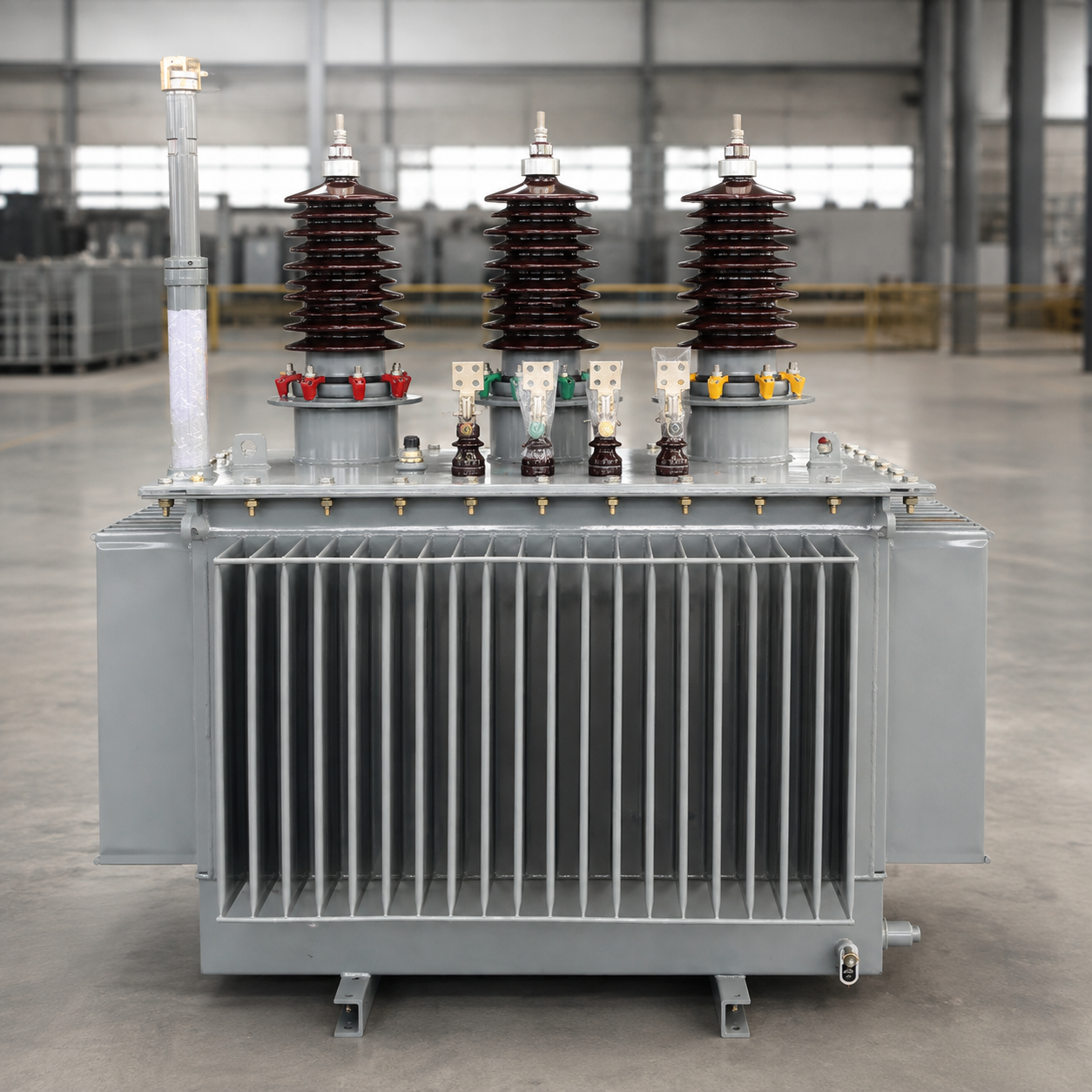
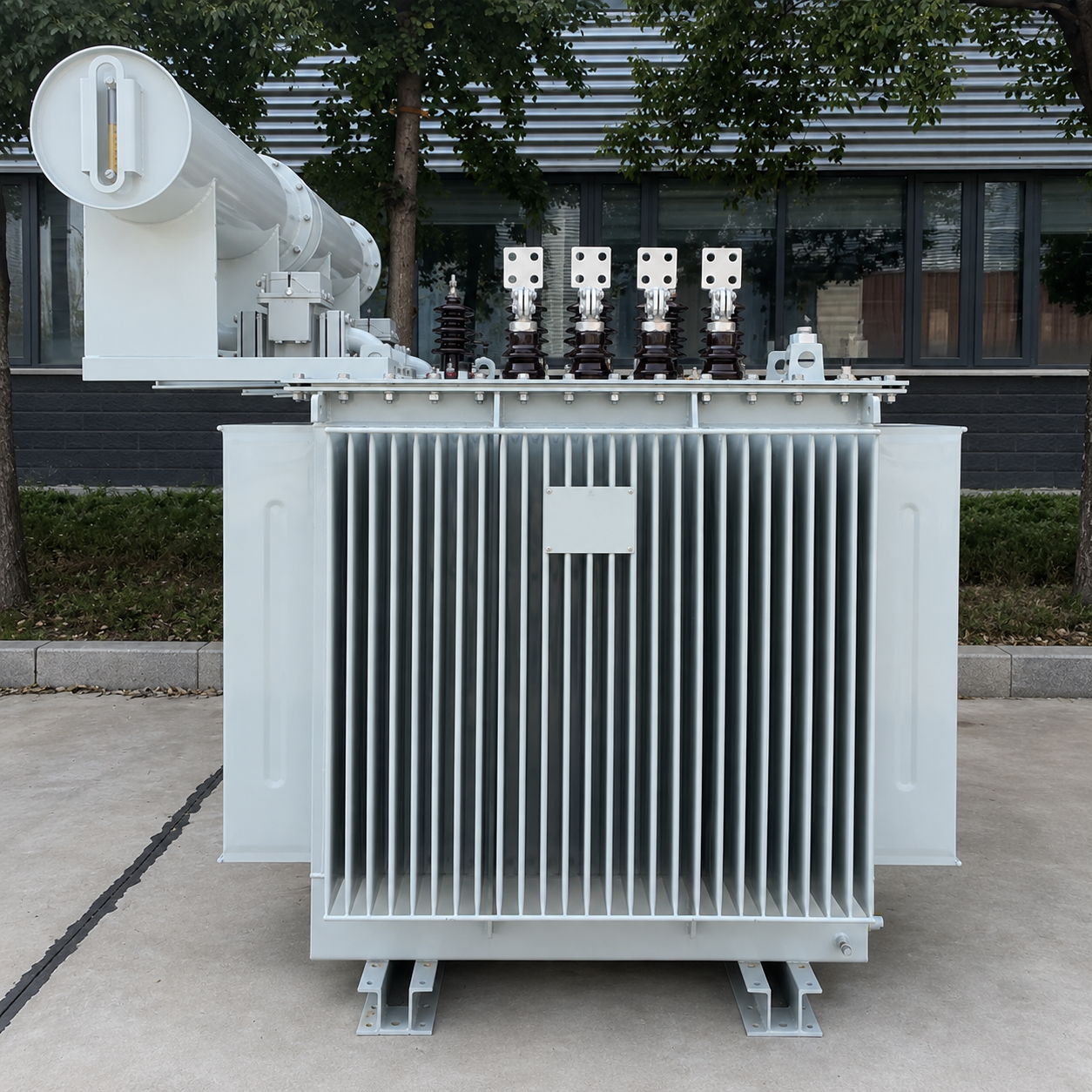
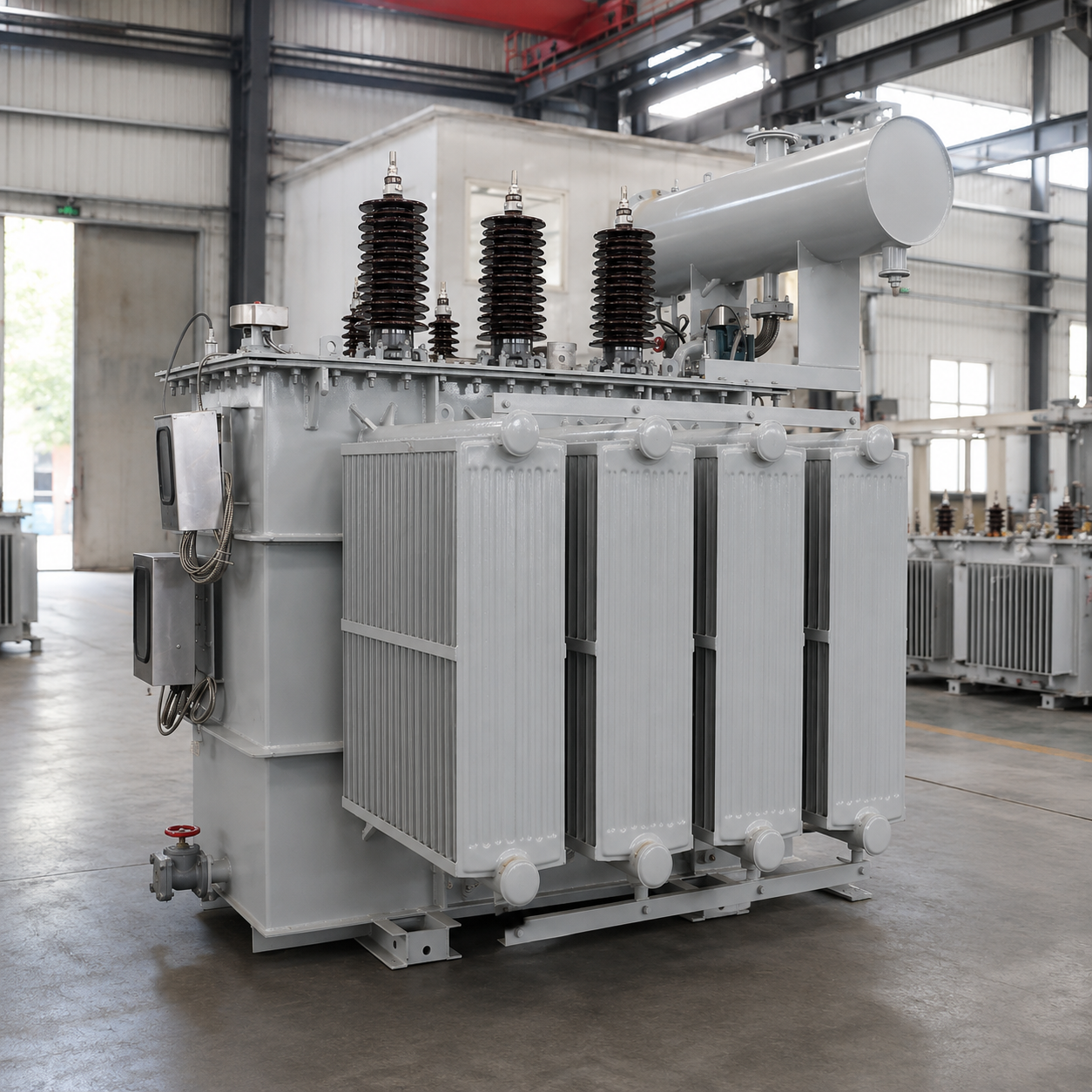
A transformer 1500 kva rating describes apparent power. It does not mean 1500 kW of useful power. The link between kVA and kW depends on power factor. For example, at a power factor of 0.8, 1500 kVA corresponds to 1200 kW. This is an example, not a promise that any site can draw that power at all times.
List the loads that run together. Do not just add all the nameplate values. Note long runs, short peaks, motor starts and any planned growth. A load schedule helps the project engineer judge whether transformer 1500 kva is a sensible starting point. Keep a note of each estimate. Check it when the design changes.
Ask the engineer to review the duty cycle as well as the peak. Heat depends on how load varies over time and on the site conditions. A rating selected for one load pattern may not be right for another. The final size should follow an engineering assessment, not a simple rule of thumb.
Match both sides of the network
Set out the supply voltage and the load-side voltage for the transformer 1500 kva request. Include frequency and phase. Two units with the same capacity may have different ratios and cannot be assumed to fit the same network. The utility or site designer should confirm the supply details before a model is selected.
The connection group shows how the windings are joined. It also shows their phase shift. It matters when a unit must work with other equipment. State the required group in the enquiry. Ask the design team to check it. This matters if units will run in parallel. The same nominal voltage does not prove that insulation levels or other interfaces match.
Ask for the proposed impedance and tap range to be stated in the offer. The project engineer can check the effect on fault levels and voltage control. The engineer can also check the rest of the system. Do not assume that a listed option is included in a particular transformer 1500 kva configuration.
Check the site and physical interfaces
Tell the supplier if the unit is intended for an indoor room or an outdoor site. Give the expected ambient range and altitude, as these may affect the rating basis. For an outdoor transformer 1500 kva site, describe rain, dust, corrosion and flood exposure. Ask what protection the proposed design needs and what the site must provide.
Space is more than the footprint. Allow for air flow, safe access, lifting and maintenance according to the approved drawing and local rules. For oil-filled equipment, the site team must check oil containment. It must also review fire precautions. A suitable layout is a project decision; the product family name alone cannot settle it.
Identify cable or busbar routes and the desired terminal arrangement. Check clearances and the position of any cable box against the switchgear design. Record the unit's mass and moving dimensions when available. These details help the installer plan the route from delivery point to foundation.
Turn the brief into a reviewable offer
Send a single enquiry with the load schedule, network data and site constraints. State the desired transformer 1500 kva rating, required documents and any local utility rules. If a value is not yet known, mark it as pending instead of letting an assumption become an order condition.
Compare each transformer 1500 kva offer on the same basis. Ask for a technical schedule, outline drawing, loss values, cooling method and the proposed test documents. Verify what is included and what needs separate agreement. A price alone does not show whether two offers cover the same scope.
Before approval, ask skilled staff to check the final ratings. They should check the protection plan and site drawings too. Confirm any open points with the supplier in writing. Keep the agreed schedule with the project records so that the installer and buyer can work from the same revision.
 EN