Start With the Plant Duty
Solar power systems can have very different duties. A plant may export power to a utility, serve a local site, or do both. For solar power systems, the agreed duty shapes the equipment brief. First draw a simple map of the power path. Mark the source, inverter output, collector network and point of connection. Show any site loads and storage that share the path. This gives each party a common view of the job.
Next describe how the plant will run. Note the expected peak output and how often it occurs. Include any planned growth and the time of day when site loads are high. A transformer sees the duty at its own terminals, not just the total number on a panel label. If power can flow in more than one direction, state that clearly. The design team can then check the duty against the proposed equipment.
For solar power systems with a wind plant nearby, keep the two duties distinct. A wind step-up unit is listed in the catalog, but its name does not prove it suits a solar inverter. Ask for a project-specific review rather than assuming that the units can be swapped.
Match Capacity and Voltage
For solar power systems, record the inverter output voltage and the voltage at the collector or grid side. Add the frequency and number of phases. Capacity is often stated in kVA or MVA, while plant output may be given in kW or MW. These describe different quantities. The design team should account for power factor and the expected operating range when it sets the transformer rating for solar power systems.
Do not select a unit from one headline number. Ask how the proposed rating relates to the actual duty, site conditions and any future phase of work. For solar power systems, inverter data can also show the expected waveform and reactive power range. These details help the engineer assess the load on the unit. Confirm any taps and the voltage range with the grid and equipment teams.
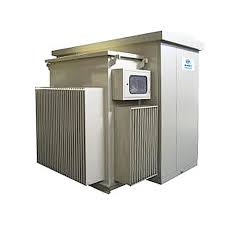
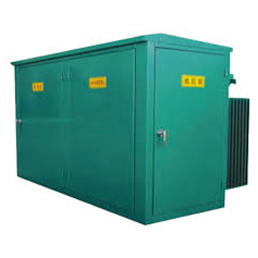
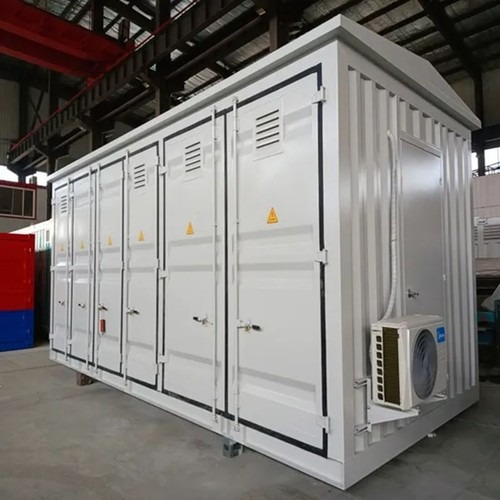
The catalog gives a typical 1 to 10 MVA per block for the solar MV station. This is a starting reference only. The final rating and voltage must be agreed for the specific plant, not inferred from a typical range.
Check Network Interfaces
For solar power systems, a single-line diagram is a useful way to show how the parts connect. It should identify the inverter side, the collector side and the grid connection point. It can also show the ownership boundary between plant equipment and utility equipment. Ask the project engineer to review it with the utility before the design is fixed.
Discuss the vector group, grounding method and impedance for the proposed transformer. These choices affect how equipment for solar power systems works with the rest of the network. Protection settings depend on the full system, so a unit cannot be chosen in isolation. A fault study and the grid's connection rules may affect the final selection. Confirm who will carry out each study and who approves the result.
Also list the signals that must pass between the plant and grid teams. Metering, alarms and remote monitoring may fall under different scopes. Agree the required points and interfaces in the project documents. This avoids assuming that a catalog package includes every function on the site.
Plan for the Site and Cooling
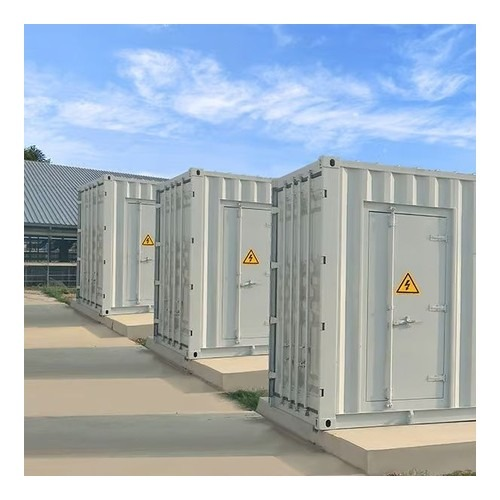
Solar power systems often place equipment outdoors, but each site has its own needs. Give the design team the expected ambient temperature, altitude, dust and moisture conditions. Include any coastal exposure or local noise limits. A catalog rating may have a stated basis; ask how it changes at the actual site.
Compare the cooling and insulation approach with the available space and site rules. Oil-filled equipment may need liquid containment and fire measures. Dry-type equipment needs suitable airflow and an enclosure suited to its setting. Neither choice is right for every project. The responsible engineer should check the design and local requirements.
Before the layout is fixed, review the foundation size and load capacity. Check cable routes, entry points and room for safe access. Allow space for lifting, inspection and future service. A clear site plan helps the buyer compare offers for solar power systems on a like-for-like basis. Use approved drawings and local specialists for the final installation.
 EN