Trace the solar power generation path
In solar power generation, PV panels make direct current. An inverter changes it to alternating current. A step-up transformer can then match the inverter side to a collector grid. The grid leads to the point where solar power generation joins the wider system. This is a general path. Each site may have a different layout.
Start with the single-line diagram. Mark each inverter group, step-up point, feeder and grid link. Note loads that need power when the plant is not producing. A clear drawing helps the team define each boundary. It also shows where another firm's equipment begins. Do not assume that one package covers the whole plant.
A mixed renewable site may have both wind and solar power generation. Keep the two duties apart in the first review. The wind unit in this list is a wind product. Both types raise voltage, but that does not make them the same. Ask an engineer to check the duty and product data before making a choice.
Size solar power generation equipment
For solar power generation, start with the inverter AC output and the planned duty. The PV array's DC nameplate does not by itself set the transformer rating. An engineer should also review reactive power, future growth and the load profile. Avoid adding a margin at random. First understand what it means for cost and use.
Check the rating against the site's heat and loading cycle. Output changes during the day. The cooling effect also depends on the unit and its surroundings. If solar power generation at the site may grow, record when and by how much. Compare a unit sized for today with one sized for a later stage. Use the same assumptions for each choice.
Ask for the proposed rating and loading limits in the data sheet. If the duty calls for an unusual mode, ask the supplier and engineer to review it. A catalog range is a starting point. It does not prove that a given unit is fit for a particular site.
Check solar power generation grid links
Solar power generation equipment must suit both sides of the link. State the inverter output voltage, collector voltage and system frequency. Note the tap range and vector group if the design calls for them. Agree on who must approve each value. A similar product title does not mean that the values match.
The solar power generation designer should review insulation, grounding, fault levels and protection as a system. Inverter harmonics and switching may also affect the specification. Give the team the inverter data and any grid study it needs. Ask for a clear list of assumptions in the offer. Resolve gaps before the design is approved.
- Compare the inverter output and transformer input on the same basis.
- Confirm the collector link and point of grid connection.
- Assign control and protection links to the responsible parties.
- Have qualified staff check the design against local rules.
Plan the site and working space
The site layout matters for solar power generation. Review the unit's size and mass with the foundation designer. The support needs a check for both the installed unit and the way it will be moved. Check access for delivery, lifting and future removal. Do this before the location is fixed.
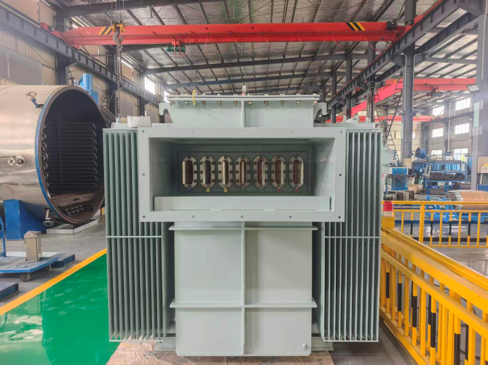
Compare liquid-filled and dry-type units against site rules and the maintenance plan. Each choice has its own needs for cooling, checks and site work. Neither type is the right answer for every site. The team should review weather, heat, dust and drainage as they apply.
Allow room for safe checks and work under the approved design and local rules. Include the people who will run the plant in the review. They may spot access problems that are hard to fix after the cables and base are in place.
Set the scope of supply
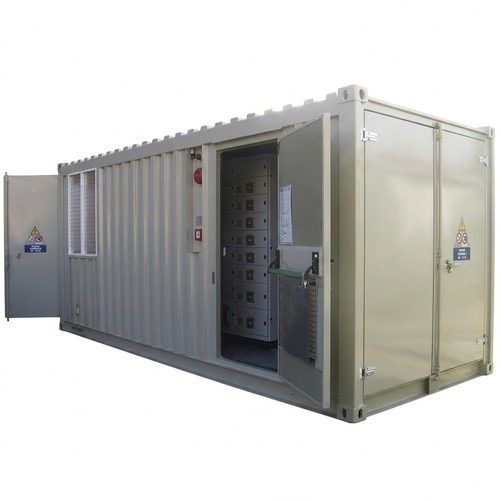
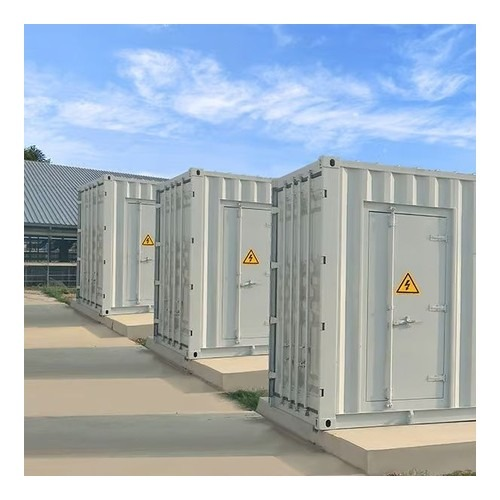
A solar power generation inquiry may cover a transformer, a step-up station or a broader package. These are not the same purchase. List each expected item. Show who will supply, install and connect it. Set the limits for cables, switchgear, controls, site power and the grid link.
Ask for an itemized offer, drawings, data sheets and agreed test documents. State required dates as project needs. Do not assume a standard lead time. Check the offer against the drawing and ask about any exclusions. The final scope and ratings should be set in the approved technical agreement.
 EN