Start with the plant and load
For solar energy systems, the name of a transformer alone does not define its fit. Begin with the plant layout and the power path. A PV array makes direct current, while an inverter feeds alternating current into the rest of the plant. The step-up stage then links the inverter side to the collector network. A project may also have local loads that need power when solar output is low. Show these paths on a single-line drawing so each party can see the intended role of the equipment.
List the inverter output, the number of units and the way they will be grouped. Include the load profile, planned operating mode and any future expansion. In solar energy systems, peak plant output is not the same as the final transformer rating. More precisely, the rating needs a project review of load, power factor, duty and site conditions. A qualified engineer should check the design rather than choose a unit from the plant size alone.
Match the two sides of the network
Record the voltage and frequency on the inverter side and on the collector side. Check the permitted voltage range and the connection arrangement at both ends. The winding type must fit the scheme. So must the tap range and vector group. Ask the engineer and supplier to review these items. Use inverter and grid data sheets, not just a product label.
Also provide the grid connection point and the local network requirements. If the plant has more than one source, show where each source joins the network. A wind unit has a different intended application from a PV unit, even if both are step-up transformers. Do not assume that a product listed for one source fits another without a full review of its ratings and interfaces.
Review protection and electrical interfaces
Impedance affects fault current. It must be checked with the switchgear and protection plan. Share the fault study, the proposed protection settings and the ratings of nearby devices when they are available. The design team can check how devices work together. It can also check earthing and switching duties. These checks are project tasks, not a guarantee that any catalog choice will meet a particular grid rule.
In solar energy systems, inverter harmonics and changes in output can also matter. Provide the inverter maker's data and any study criteria to the engineer. Discuss cable entry, terminal type and space for connections. Identify the owner of each cable, control link and auxiliary supply. A simple interface list can prevent a gap between a transformer order and the rest of the plant.
Plan for the site and handling
Give the site location, altitude and expected ambient temperatures. State whether the equipment will be indoors or outdoors and note dust, moisture or salt exposure where relevant. Those conditions affect cooling, the enclosure and access. The right choice depends on the site plan and equipment data. No one type suits every site.
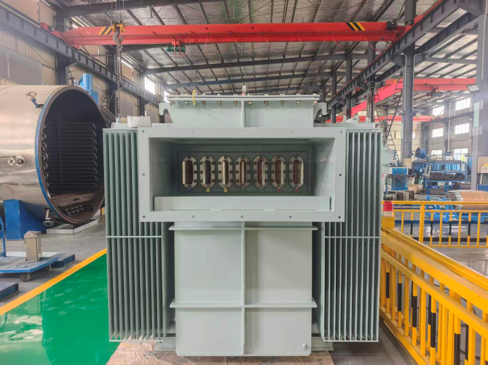
Check route limits from the unloading point to the final pad or room. Ask for outline dimensions and transport weight for the proposed unit. Allow space for safe access and future service in line with the site plan. If the site is remote, note any limits on lifting gear and road access. Confirm who prepares the foundation and who carries out the local installation.
Define the supply boundary
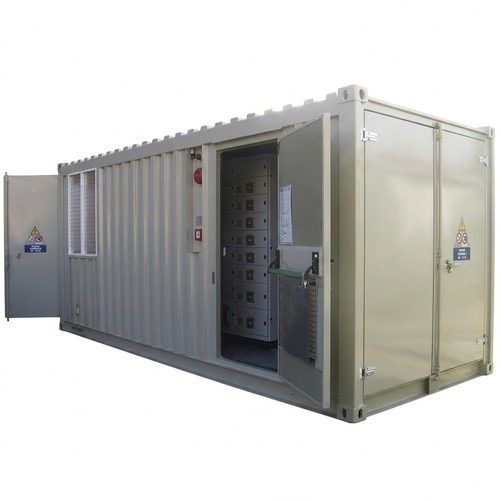
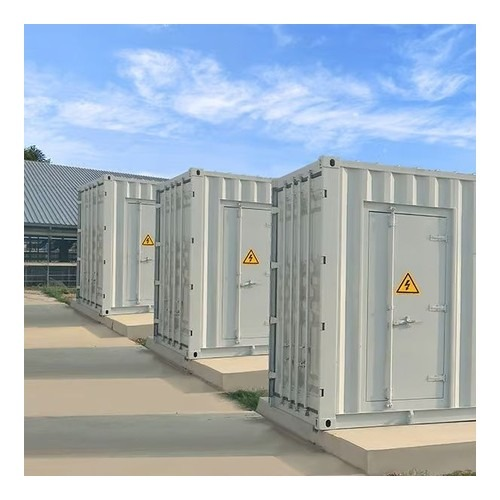
For solar energy systems, a transformer, a step-up station and a wider package are not the same purchase. Set out which parts are included and which are supplied by others. For a station, the list may need to cover the transformer, switching equipment, control, metering and auxiliary items. For a wider package, also define the links to inverters, the collector network and the grid point. The actual scope is subject to the quote and agreed technical schedule.
Before ordering, request a clear list of drawings, data sheets and test documents. State the review and acceptance needs for the project. In a hypothetical project, a missing drawing list can delay agreement on what is due and when. Record open questions and assign each one to a party. Once the team has reviewed the design, compare offers using the same agreed documents.
 EN