Size a resin-encapsulated unit for the load
Choosing a resin-encapsulated unit begins with the power that the site needs. List the expected load and how it varies through the day. Separate the normal load from short peaks, and note any planned growth. The name of a resin-encapsulated unit does not show its capacity. Give the design team the duty pattern so that they can check the required rating and any margin.
Consider how the load will be served if part of the system is out of service. For a new building, the early load may differ from the load after all tenants move in. For a plant, a new production line may change demand over time. These are planning examples, not claims about a particular site. The engineer should use the actual load data and decide which assumptions need a further review.
Match a resin-encapsulated unit to the supply
Record the source voltage, the required output voltage and the supply frequency. State the number of phases and the way the load is connected. A resin-encapsulated unit must be checked against these values as a complete system. Ask for the proposed voltage ratio and connection details in the offer. Do not infer them from the product name or from the group in which it appears.
Also describe the devices on both sides of the transformer. The project engineer should review how the transformer fits with the upstream and downstream protection. Share the available system data and any rules set by the site or network owner. Settings depend on the full system. Agree on them with the responsible engineer. Do not copy settings from a generic page.
Review the site for a resin-encapsulated unit
Space is more than a floor plan. Measure the route from the point of delivery to the final room. Include door widths, lift limits, turning space and any steps along the way. Then check the room layout, access for staff and the paths for cables or busbars. Ask for drawings and weights of the proposed resin-encapsulated unit before the site plan is fixed.
Describe the expected air temperature, dust and moisture at the site. State whether the unit will be placed indoors or in another setting. The design team can use those details to review cooling, access and any enclosure needs. Do not assume that one catalog option is suitable for all rooms. Site rules and the final equipment instructions should guide the installation plan.
Compare a resin-encapsulated unit with other types
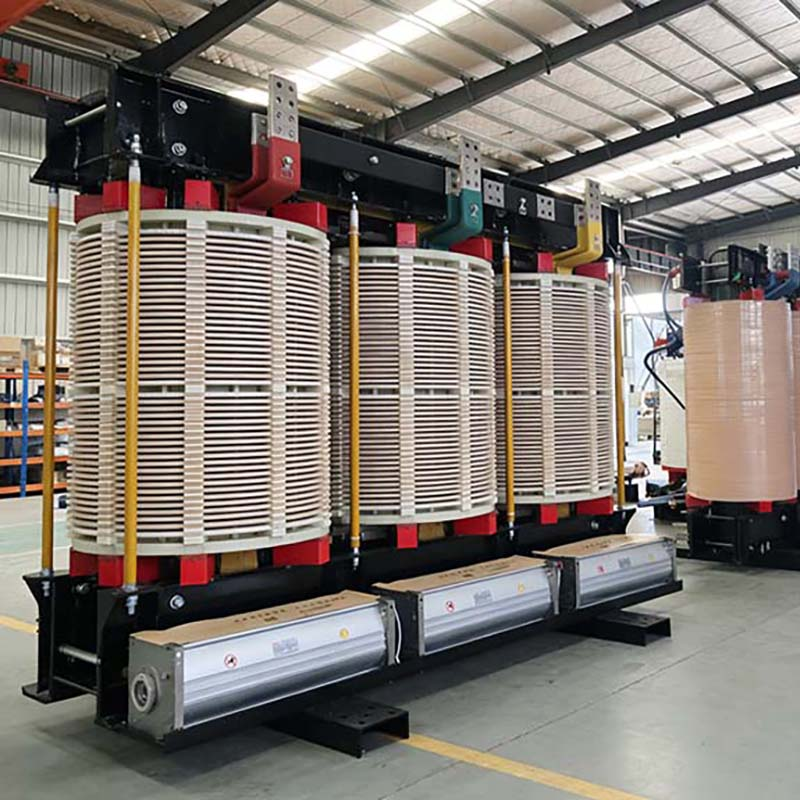
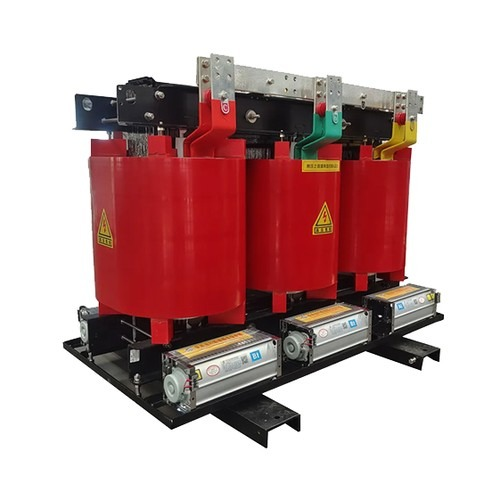
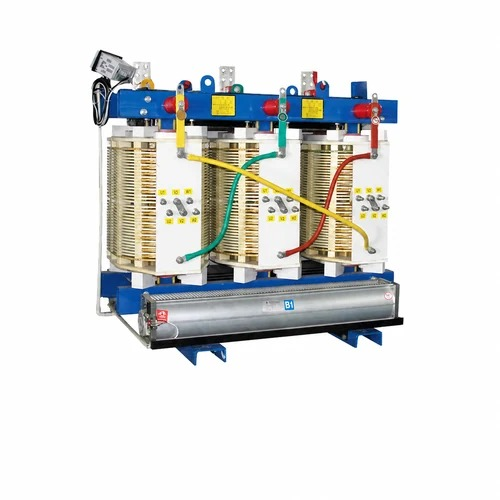
The product list includes a cast resin model as well as dry-type models that are named non-encapsulated VPI. They are not interchangeable just because they appear together. If a resin-encapsulated unit is required, first verify each candidate’s construction. Treat the VPI models as adjacent alternatives only if the project team is open to that type.
Ask for a written offer for each resin-encapsulated unit using the same duty and site data. Compare the stated ratings, dimensions, cooling and connection details. Check what is included and what still needs approval. A list of open items shows where more data is needed. A catalog title is not proof of a final design.
Prepare a resin-encapsulated unit project brief
Bring the load schedule, supply details and site constraints into one brief. Include the planned use, required documents and any project-specific rules. Note which details are firm and which are still estimates. If access to the room is tight, share the route and size limits early. This helps the supplier and the design team discuss the same conditions.
Before an order, have the responsible engineer review the offer against the complete project. Ask for clarification where a feature or rating of the resin-encapsulated unit is not stated. Keep the final drawings and agreed scope with the purchase record. A clear brief supports discussion. The final engineering review must cover the choice and safe use of the equipment.
 EN