Photovoltaic Systems | Solar Equipment

+86-13911506505
All Categories

Photovoltaic Systems: Solar Power Equipment

Explore equipment for photovoltaic systems, from PV step-up transformers to solar stations and grid connection packages. The listed range gives buyers a way to review both single units and wider project scope. It is intended for power engineers, installers, project firms and trade buyers working on solar plants. The product records cover PV power blocks and grid links; actual ratings and package contents depend on the project. A solar MV station record lists typical blocks of 1 to 10 MVA, subject to review and approval. Other items must be assessed on their own terms. Use the product list to start a scope review, not as proof that a unit fits your site. Share the plant plan and ask for a quote or data sheets. Confirm the final scope, ratings and terms with the supplier before you order.
Get A Quote

Solar Equipment Selection

Review the listed options and confirm each product's scope, rating, drawings and fit with your project before purchase.
From Solar Block to Grid

From Solar Block to Grid

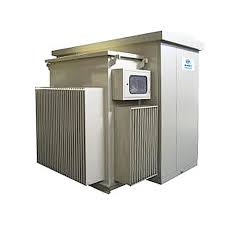
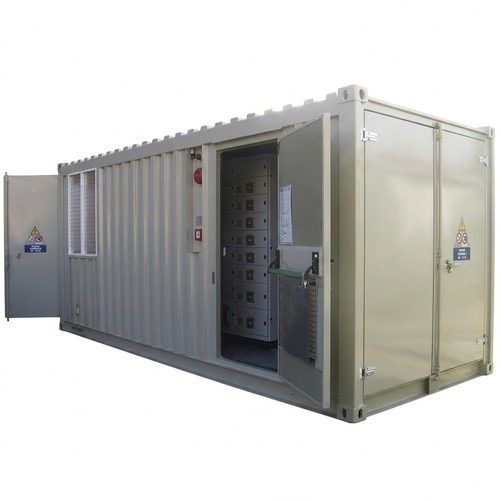
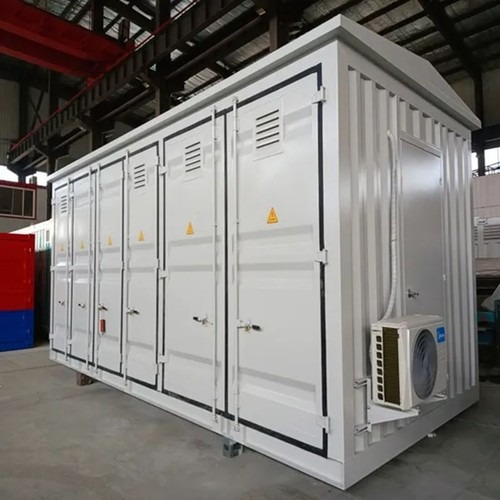
The solar MV step-up station is listed for central or string inverter power blocks. The grid connection package addresses the link between a collector system and the utility grid. These are distinct parts of a plant, not interchangeable products. Check the planned supply boundary and project design to decide which listed item to discuss with the supplier.

Start With the Plant Load Plan

Plans for photovoltaic systems need more than a nameplate figure. Map the power each inverter block can supply. Show how it reaches the grid. Note any planned stages of growth as well. This gives the engineer a basis for comparing equipment at the same point in the design. A unit that fits one block may not fit the next if the design or duty has changed.

For hypothetical photovoltaic systems built in stages, record the first stage and the later plant plan as separate cases. Ask the engineer to check each case. Include output, extra loads and duty. The aim is not to guess a product rating from a site area. It is to build a clear load schedule that can be checked against the proposed equipment.

Match the Voltage on Each Side

In photovoltaic systems, the inverter output and the collector network can operate at different voltage levels. A step-up transformer connects these parts of the design. List the voltage, frequency and connection details on both sides before comparing units. The grid link may have its own rules. Its voltage may differ from the collector voltage.

Give the supplier the latest single-line diagram and state which part of the network is in scope. Ask the design team to review the transformer ratio, winding arrangement, grounding and required short-circuit duty. The chosen values must match the approved study and the inverter data. A product title alone cannot show whether those details are suitable for the job.

Coordinate Cables and Equipment Interfaces

Equipment for photovoltaic systems can have the same stated capacity but use different cable entries, terminals or layouts. Check the planned route from the inverter to the station and onward to the collector network. Agree where one supplier's work ends and another party's work begins. The team can then spot gaps while plans can still change.

  • Mark cable entry points and the space needed for bends and access.
  • List control, metering and protection links that cross the supply boundary.
  • Ask the engineer to check fault duty and protection settings as a system.
  • Record the source of auxiliary power and the points where it is needed.

Use a shared interface list to track each open item, its owner and the drawing that resolves it. Changes to an inverter or switchgear layout can affect the rest of the plant. Recheck the list when the design changes, rather than relying on an early version of the plan.

Plan for the Site and Working Life

Measure the space available for delivery, placement and future service. Note access roads, lifting limits and any doors or turns on the route. For outdoor photovoltaic systems, record the expected heat, moisture, dust and other local conditions. A proposed enclosure and cooling method need to suit that setting. Ask the project engineer and supplier to confirm the details in the equipment data sheets.

Compare offers on more than the initial price. Ask for loss data, service needs and spare parts. Check them against the plant plan. No cost saving should be assumed without a study. Keep the assumptions used in that study with the offer, so two bids are compared on the same basis.

Before approval, reconcile the equipment schedule, drawings and agreed site work. A local installer should use the approved documents and follow the applicable safety rules. Final selection and grid approval remain project-specific. Use this page to start a discussion. It does not replace an engineered design.

Photovoltaic Equipment FAQ

Answers for project teams preparing an inquiry.

How are equipment ratings confirmed?

For photovoltaic systems, start with the project load schedule and the data for the inverter and grid connection. Ask the engineer to identify the voltage, frequency, capacity and duty at each relevant point. The supplier can then review the requested equipment against that information. A listed typical range is not a promise that every rating or configuration is available. Confirm the selected values in the offer and the approved technical schedule before placing an order.
For photovoltaic systems, the owner should agree on the work scope. Include the local installer and other parties. The team needs approved drawings, a site layout and a plan for safe access and lifting. It should also identify who provides foundations, cables and site checks. The product listing does not establish that installation is included in an offer. Confirm the scope in writing. Qualified staff must follow local rules and the approved plan.
For photovoltaic systems, send the latest plant diagram, the intended equipment scope and a list of the expected ratings. Add the site location, environmental conditions, project schedule and any known space limits. State which documents and reviews the project requires. If key values are still open, mark them as assumptions rather than final facts. This allows the supplier to identify questions and prepare an offer for discussion without treating an early estimate as an approved design.
For photovoltaic systems, ask for the data sheets and outline drawings. Get the equipment schedule for the proposed scope too. Check that the version of each document matches the offer and the current plant design. Agree on any test records or other evidence before ordering. Set out their type and timing with the supplier. The project team should also review grid and site requirements with the relevant parties. Availability and final document scope must be confirmed in the agreement.

Transformer Selection Guide

Read the listed guide for further context on choosing a transformer for a project. Use its questions alongside your own plant plan and current engineering documents.
How to Select a Transformer for Your Project APEX TECHNOLOGIES | Transformer Buying Guide

03

Nov

How to Select a Transformer for Your Project APEX TECHNOLOGIES | Transformer Buying Guide

View More

Get a Free Quote

Our representative will contact you soon.
Email
Mobile/whatsapp
Name
Company Name
Message
0/1000

Related Equipment Topics

Get a Free Quote

Our representative will contact you soon.
Email
Mobile/whatsapp
Name
Company Name
Message
0/1000