Start with the network
An onan transformer must fit the network it will serve. Start with the supply voltage and the voltage needed at the load. Record both values on the project sheet. Even the right cooling method cannot fix a voltage mismatch. Ask the utility or engineer to confirm the voltage class. Check the expected range at the connection point too.
State the supply frequency for the onan transformer too. The product records list 50 Hz or 60 Hz for the named voltage classes, but the choice must match the site. Include the number of phases and the required winding connection. Note any tap range that the network needs. The final schedule, not a broad catalog heading, should define the exact values for the unit offered.
For a planned plant extension, for example, an engineer may have an existing feeder and a new low voltage board. If either voltage is left out of the inquiry, the first quote may not reflect the connection. A simple one line diagram can show where the supply ends and the load begins. Send it with the request when available.
Map the load before choosing capacity
An onan transformer rating is more useful when read beside a load plan. List the loads that run at the same time and those that start only for short periods. Note planned changes as well as present demand. A motor start, a shift pattern or a future line can change the duty the project team needs to assess. Do not select a unit solely from a list of installed equipment.
Share the load profile with a qualified engineer. Ask that person to check peak and normal demand, the time spent at each level, and the effect of the site environment. Two units with the same rating may have different limits. Site heat and other conditions matter. The agreed data sheet should show the rating and its conditions.
Where several options appear close, compare them on the same basis. Include the stated duty and ambient conditions alongside the capacity. This helps the buyer see which questions still need an answer rather than treat an early estimate as a final design. Loss and sound requirements can be included in the project brief without assuming a specific result.
Review the site and cooling path
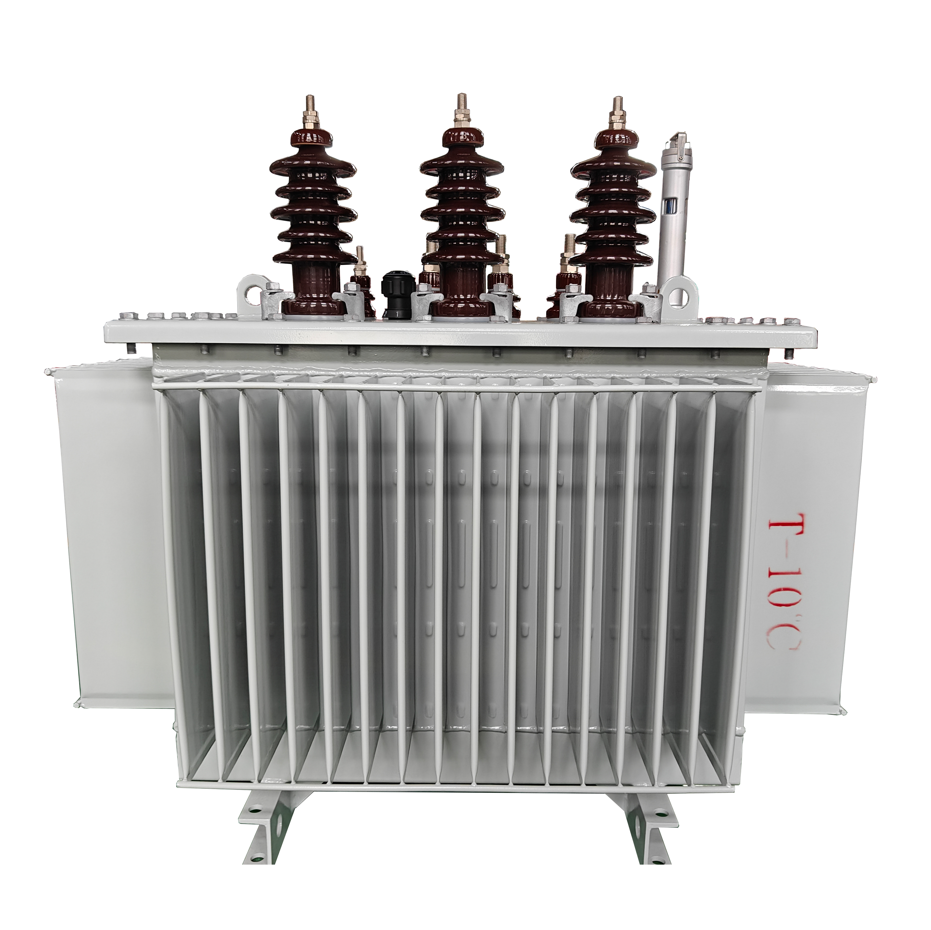
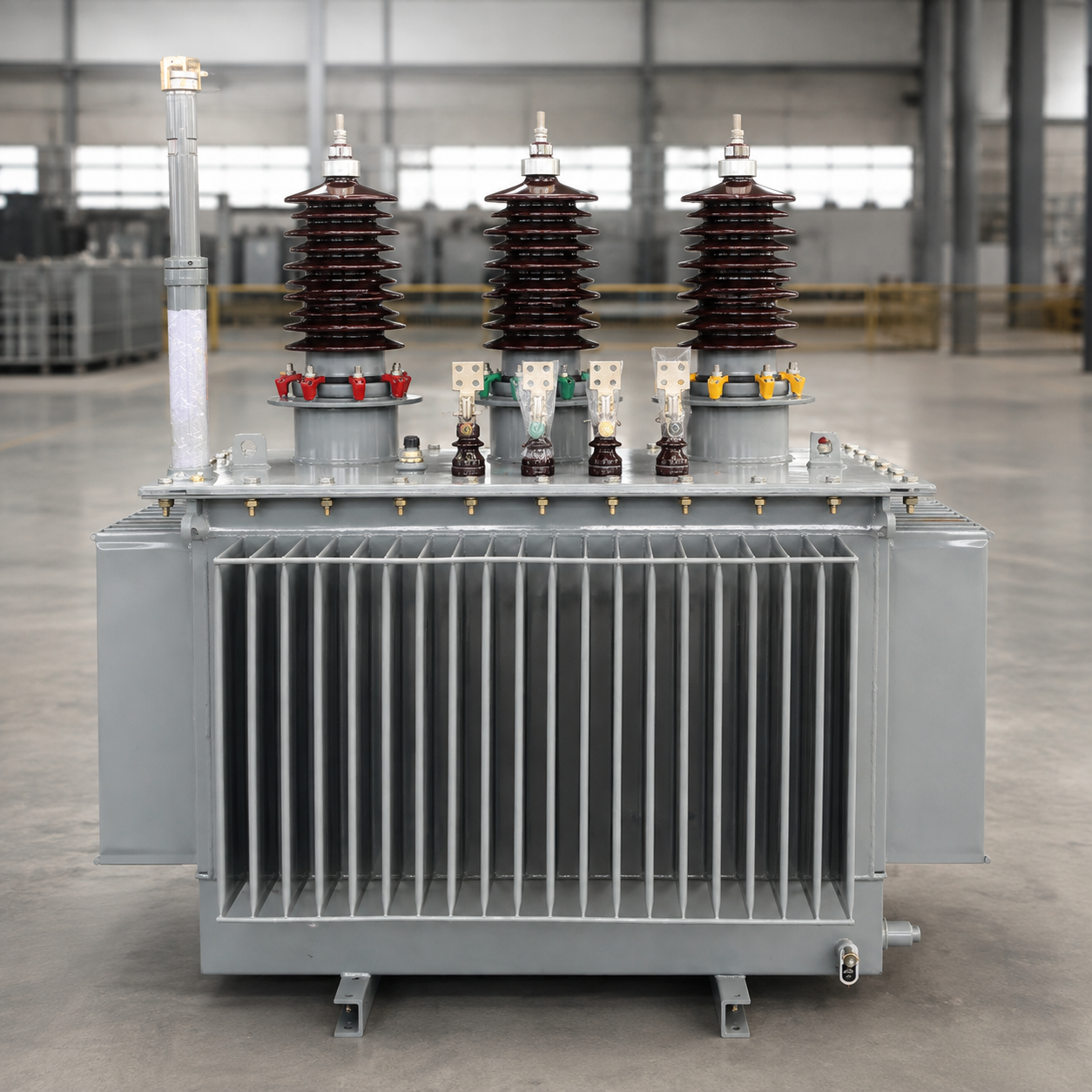
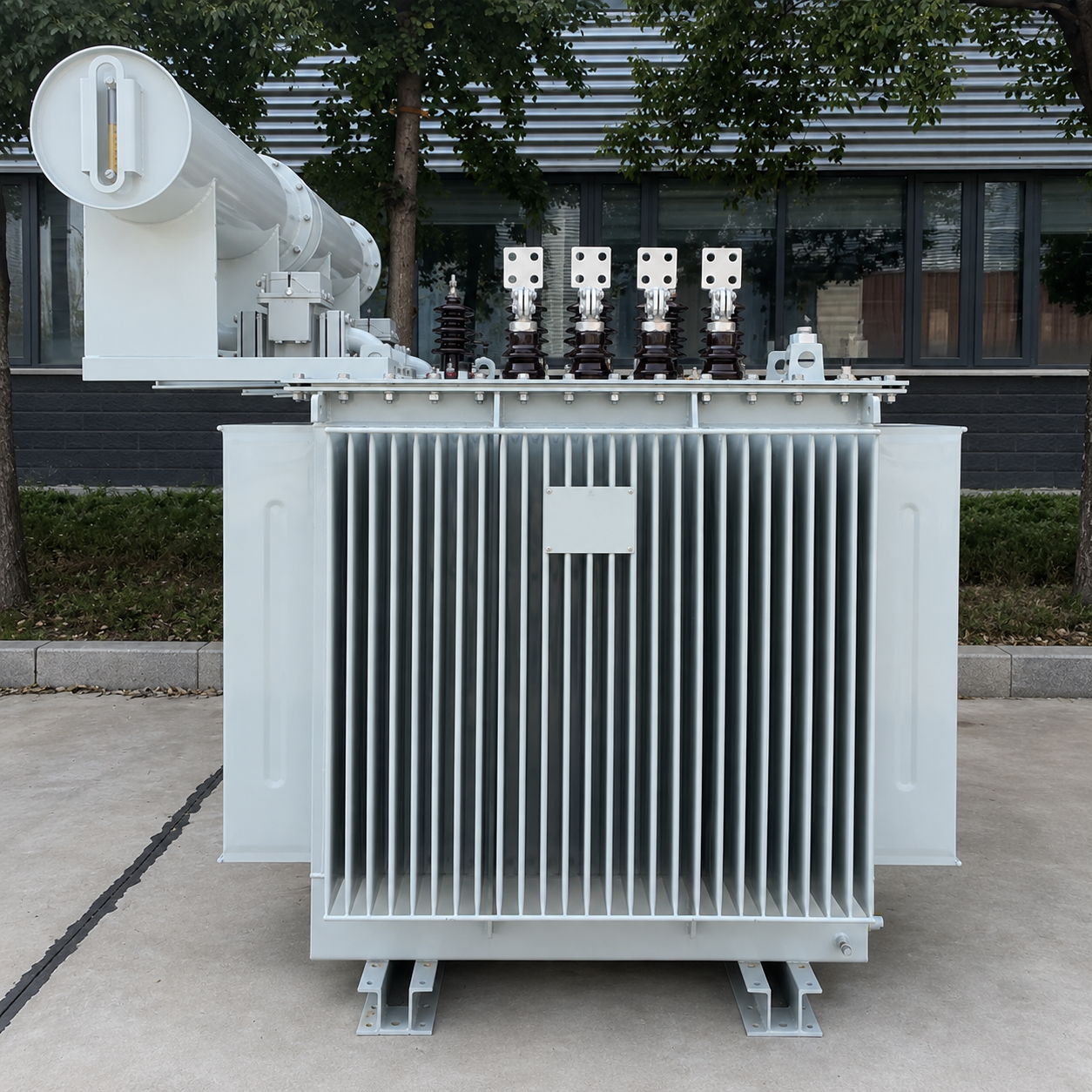
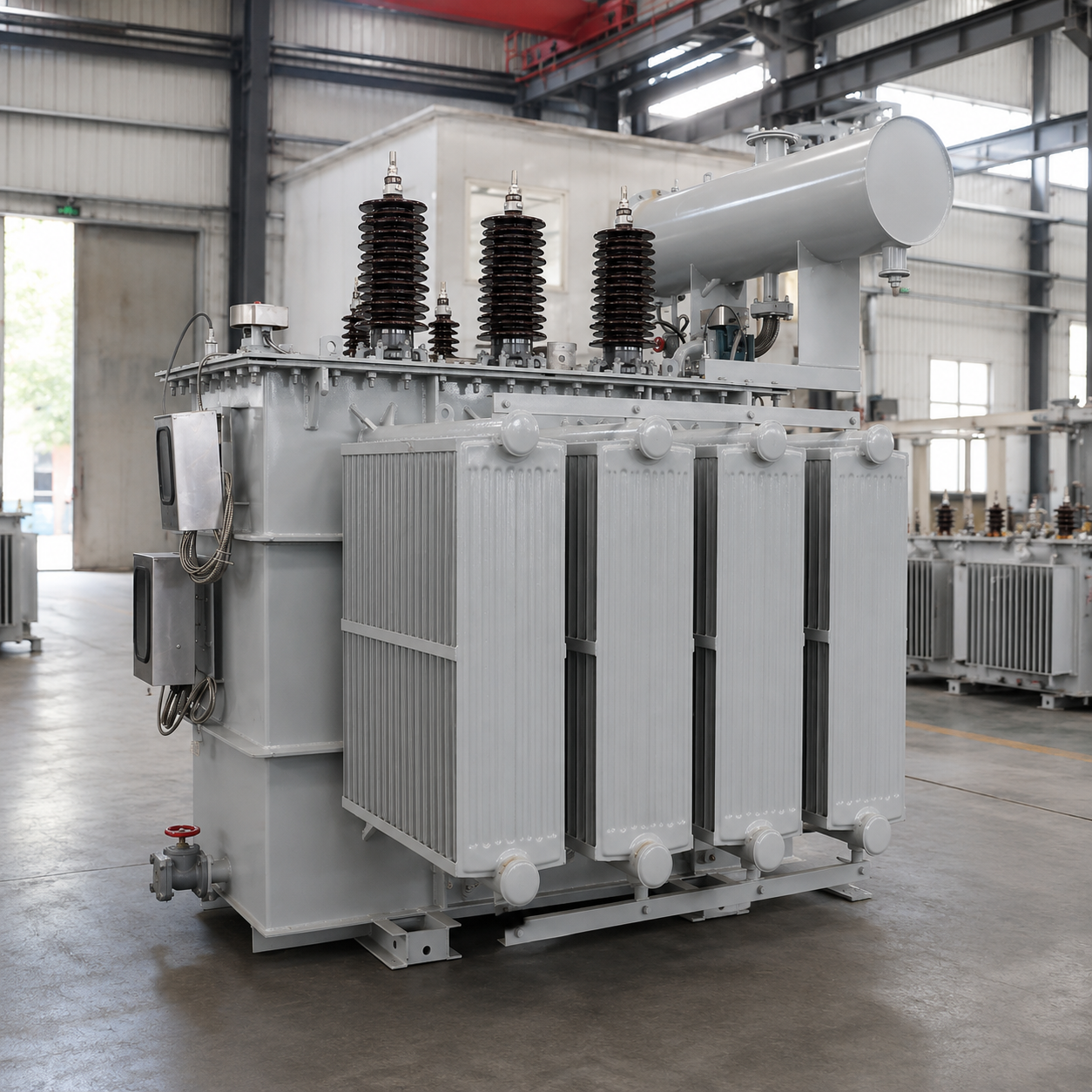
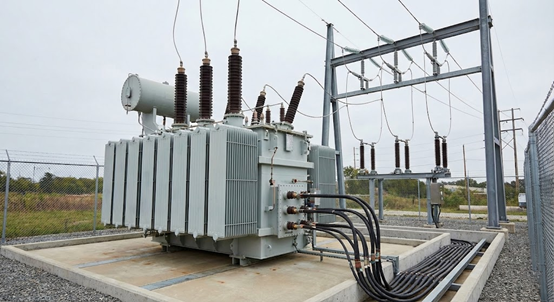
ONAN means oil natural, air natural. Oil moves through the unit as it warms and cools. Heat then passes to the air around it. The code names a cooling method. It does not mean every oil filled unit has the same tank or fittings. Check the proposed cooling designation on the actual offer. The listed products include ONAN, while some records also mention ONAF for a different duty.
The design team should check the site layout, access route and space around the onan transformer. Air must reach the cooling surfaces. The site design must allow for this. The team should also review ambient temperature, altitude and the effect of nearby walls or equipment. Ask for the outline drawing and the clearances that apply to the unit being quoted.
Oil containment, fire rules and access needs depend on the site and local rules. Have qualified people review them before any work starts. Do not assume that a catalog image establishes the layout or the required protection. A drawing and site review are more useful than a generic claim about where any unit can be placed.
Coordinate interfaces and protection
Bring the electrical and civil teams together before the specification is closed. Identify cable entry, terminals, earthing and the support base. The final arrangement must work with the incoming feeder and the board on the other side. A project can also need space to inspect the unit and reach its fittings. These details belong in the drawing review, not just in a price comparison.
The project engineer should check how protection settings fit the wider system. Provide the required impedance, connection group and tap arrangement when known. Ask which temperature, pressure or oil level devices are included in the proposed scope. The product records describe accessories by specification; they do not establish that every accessory is fitted to every unit.
Before ordering an onan transformer, ask for the technical schedule, outline drawing and documents that apply to the offer. Record any open points and have the supplier confirm them in writing. A qualified team should plan the work. It should follow local rules and the instructions for the supplied unit. This gives each party a shared basis for the final decision.
 EN