Oil Type Transformer for Distribution | Apex

+86-13911506505
All Categories

Oil Type Transformer Options for Distribution

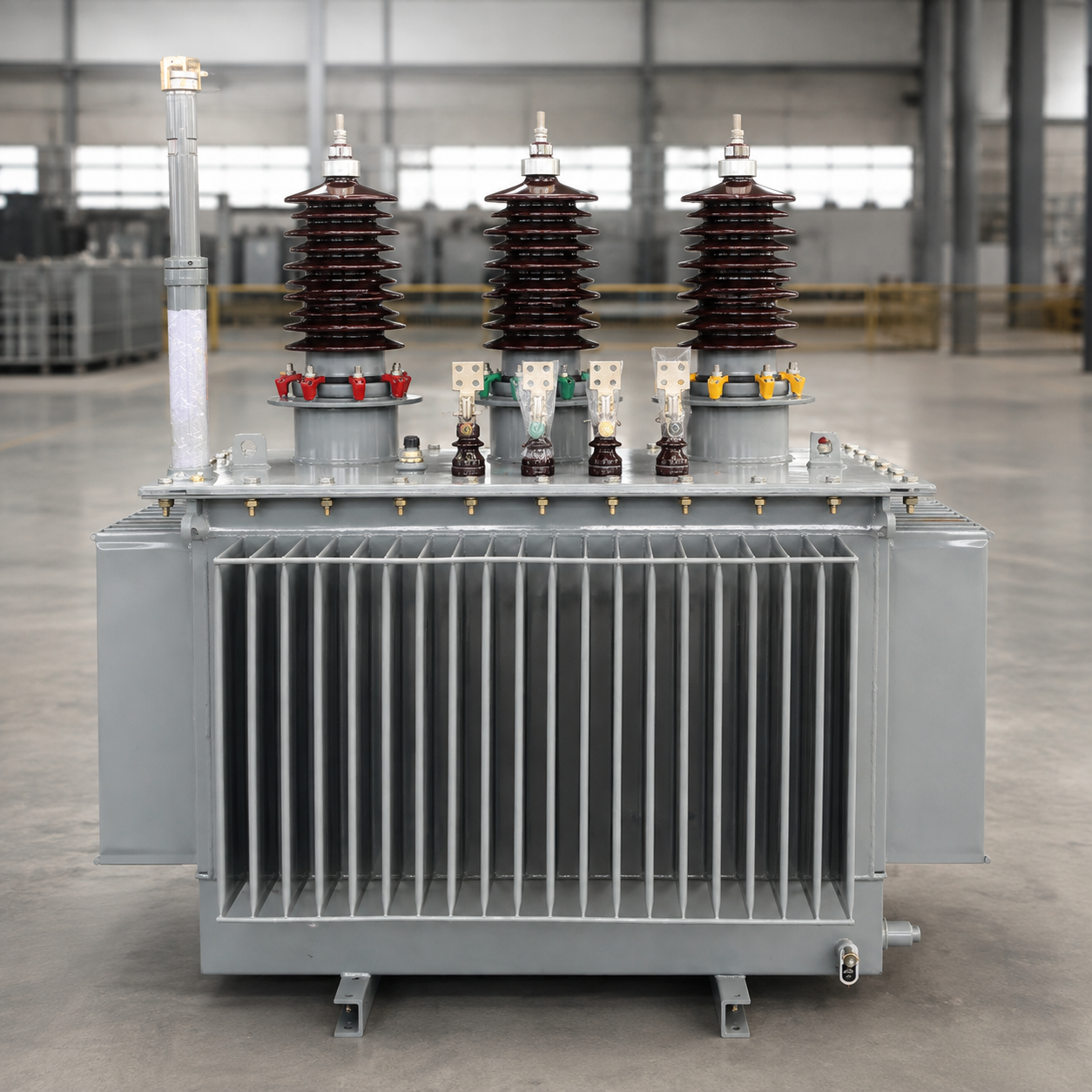
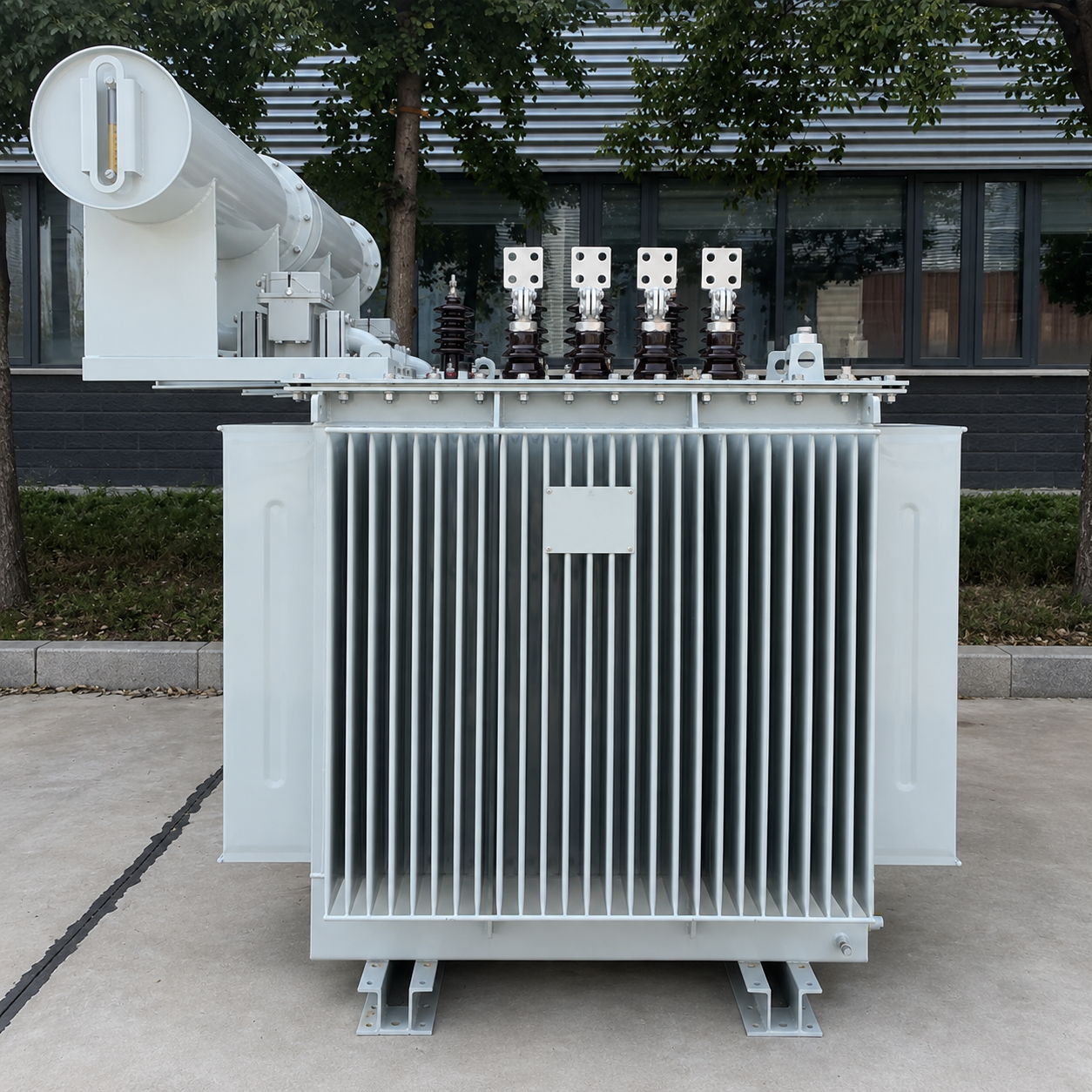
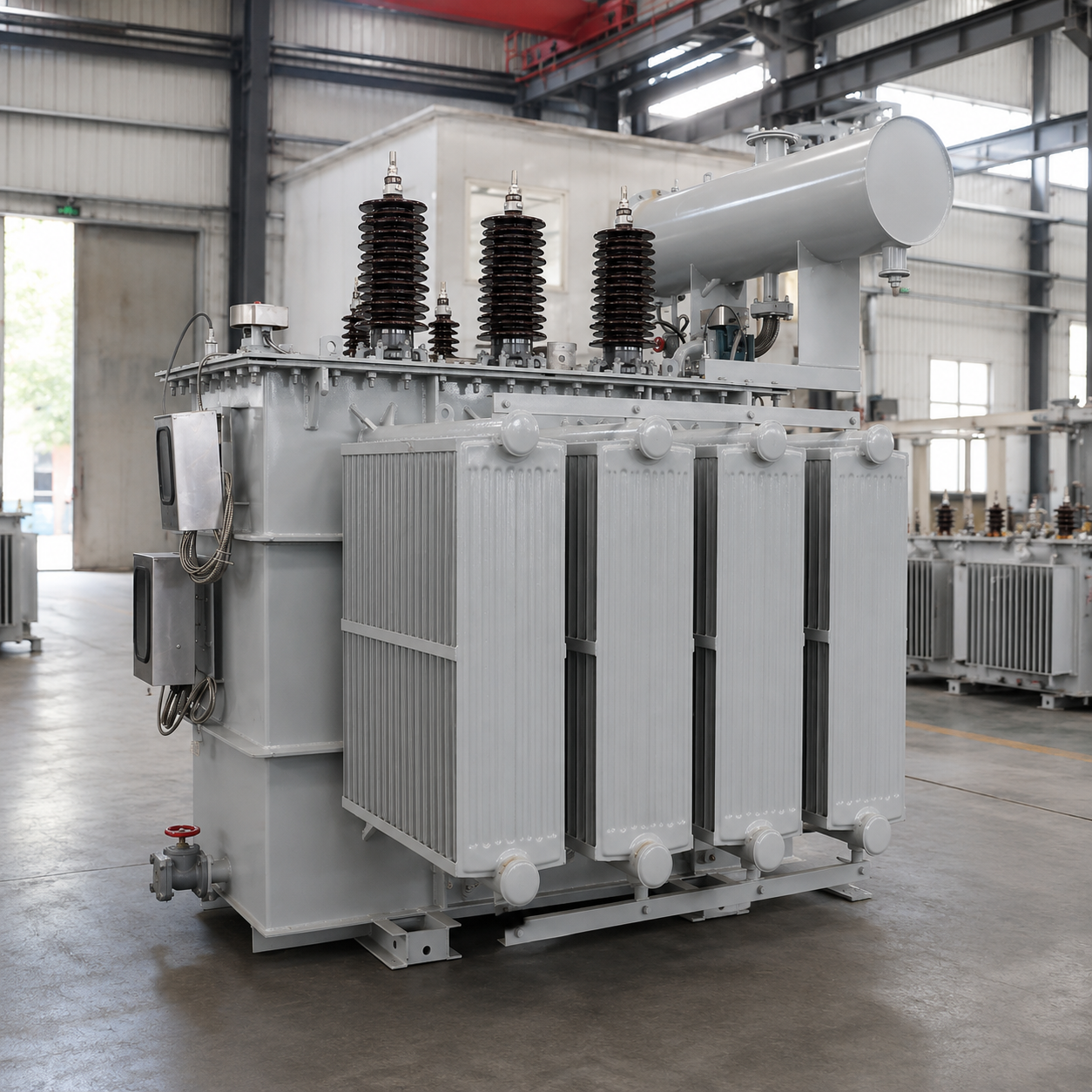
An oil type transformer can serve a range of power distribution projects. This selection includes oil immersed models listed for 11 kV, 20–24 kV and 33–35 kV networks. It is a starting point for installers, project teams, traders and facility owners. Possible sites include factories, shops, schools and other buildings. The right unit depends on the local grid and the work it must do. The listed products span several voltage classes rather than one fixed design. Each project needs its own review before a model is chosen. The product pages provide a basis for that review, while the final rating and fit must be confirmed for the site. Use this page to compare the listed models and prepare a clear request. Send your project details to request a quote and confirm the proposed equipment.
Get A Quote

Oil Immersed Product Selection

Compare these listed models; confirm each specification before selection.
Distribution Voltage Choices

Distribution Voltage Choices

The selected range gives buyers a way to review oil immersed distribution units by voltage class. The listed 11 kV, 20–24 kV and 33–35 kV models are distinct starting points, not proof that any one unit fits a particular grid. Compare the product record with the network brief and ask for the final technical schedule before making a choice.

Start With the Load

Begin an oil type transformer enquiry with a load list. Note the normal demand, the largest expected demand and how long that peak may last. Include motors or other loads that start in steps. A load that is brief can still affect the way the network and its protective devices are planned. Ask the project engineer to review the figures rather than choosing a rating from a single machine.

Show any planned change in demand as a separate item. This makes the present need clear without treating a future plan as a fact. Record the duty cycle and the number of units under review. A sound comparison starts with the same load case for each offer. Ask which oil type transformer rating applies to the stated site conditions and which assumptions need further review.

Match the Grid and Connections

Check the oil type transformer primary and secondary voltage against the single line diagram. Record the frequency and the number of phases. The selected product names are useful filters, but a voltage class alone does not define the full ratio. The oil type transformer project team must confirm the actual network values and the insulation level needed at the site.

The oil type transformer winding connection and vector group also matter. They affect how the unit fits the rest of the network. Provide the specified group if it is known; if it is not, flag the gap in the request. The design team can then assess it with the grid and protection scheme. Do not assume that two units with the same rating can be swapped without this check.

List the required tap range, impedance and loss limits if the project has them. Explain whether a tap change is needed while the unit is in service or only when it is off circuit. These are project requirements, not claims that every listed model has every option. Confirm the proposed values in the technical schedule.

Plan the Site and Interfaces

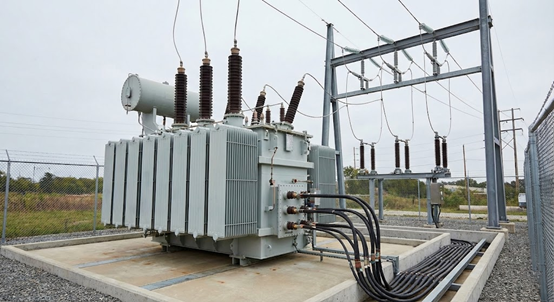
Give the oil type transformer site location, ambient conditions and altitude to the supplier. State whether the unit will be indoors or outdoors. Review access for delivery, lifting and later service. A layout that fits the tank alone may leave too little room for cables or safe access. Check the site rules for fire protection and oil containment with the local design team.

Confirm how cables or busbars enter and leave the oil type transformer. The terminal type, direction and clearances should agree with the site plan. An omitted cable entry can cause extra work when the unit arrives. Ask for an outline drawing and review it against the route through doors, roads and the final base. Use approved drawings for final work, not a general product picture.

Oil helps transfer heat and acts as an insulating medium in this type of unit. The cooling method and the space around it need to suit the duty and site. The product records describe ONAN or ONAF for selected models; confirm what applies to the proposed unit. The site team should also plan access for oil checks and other service work under the final operating instructions.

Make Offers Easy to Compare

Send the same oil type transformer brief to each bidder. Include the load, grid data, site plan and any limits set by the owner or utility. Identify required accessories and the points that are still open. Ask for a line by line technical schedule, a drawing and the proposed scope. Note any differences rather than assuming that an offer covers every item in the brief.

Review the oil type transformer losses, sound limits and protection details against the project requirements. Request supporting test and compliance documents where the project requires them. Their scope and availability must be agreed; a general catalogue page is not a test report. Have a qualified engineer approve the final selection and site plan before purchase or work on the equipment.

Oil Type Transformer Questions

Practical questions for a project enquiry.

What belongs in an oil type transformer spec?

Start with the required capacity, both voltage levels and the system frequency. Add the winding group, tap needs, impedance and loss limits when these are known. State the site conditions and the required terminals and accessories. If a value is not yet set, mark it as open instead of guessing. The project engineer can use the network brief and supplier response to resolve each open point before a final schedule is agreed.
Indoor use depends on the site design, local rules and the proposed equipment. Check fire measures, oil containment, access and heat removal with the responsible engineer. The room must also allow safe routes for the unit and its cable connections. Do not infer approval from a product title alone. Ask for the final dimensions and installation needs, then review them against the actual room and its operating plan.
For an oil type transformer, send a single line diagram and a load list if they are available. Include the destination, intended duty, site conditions and any utility or owner requirements. Note the number of units and the planned scope of supply. Identify unanswered items clearly so they can be discussed. Ask the supplier to state the proposed rating, options and exclusions in the offer. Compare that response with the same project brief used for other offers.
Ask for an outline drawing, a technical schedule and the relevant operating and service instructions for the proposed unit. If the project requires test records or evidence of compliance, list the exact documents and review their scope before placing an order. Availability and details must be confirmed for the order. Keep the final agreed documents with the project file so the site team can use them for planning and later care.

Further Reading on Transformer Selection

Read the existing buying guide for another view of the selection process. Assess its recommendations against your own load, site and utility requirements, and seek project-specific technical advice before relying on them.
[Buying Guide] A Three-Step Strategy for Selecting the Ideal Distribution Transformer

26

Mar

[Buying Guide] A Three-Step Strategy for Selecting the Ideal Distribution Transformer

Struggling to choose the right distribution transformer? This expert 3-step strategy covers load calculation, environment matching, and energy efficiency standards. Optimize ROI & reliability—download your free selection checklist now.
View More

Get a Free Quote

Our representative will contact you soon.
Email
Mobile/whatsapp
Name
Company Name
Message
0/1000

Related Distribution Transformers

Get a Free Quote

Our representative will contact you soon.
Email
Mobile/whatsapp
Name
Company Name
Message
0/1000