Start With the Network
Choosing a high voltage transformer starts with the network it must serve. Write down the supply side and the load side, along with the voltage on each side. Include the system frequency and the way each side is earthed. A high voltage transformer nameplate alone does not show how the unit will connect to the grid. Ask the site engineer to check the full voltage ratio and the network study before a choice is made.
Also share the high voltage transformer fault level and the required insulation level. These details help frame the design review, but they are not a substitute for a study by the project team. State the needed winding connection and phase group if known. If a value is not yet set, mark it as open rather than guessing. This makes gaps clear to both the buyer and the supplier.
Size for the Actual Load
List the present load and how it may change over time. For a proposed plant expansion, for example, the team can compare the first stage of demand with a later stage. Note whether large motors start at the same time and whether a load is steady or varies through the day. This gives a more useful basis than picking a rating from a title.
Give the expected load pattern to the engineer who will set the high voltage transformer rating. Include any limits on losses and sound that matter to the site. Ask how the proposed high voltage transformer rating relates to the cooling duty, as the final rating can depend on the agreed design and site conditions. The high voltage transformer choice should be recorded in the project data sheet so each bid can be reviewed on the same basis.
Review the Site and Interfaces
A high voltage transformer must fit both the electrical plan and the physical site. Note if the high voltage transformer is to be placed indoors or outdoors. Share the site altitude, the range of air temperatures and any space limits. A hot or high site may need a closer review of the rating and cooling plan. State the access space the site team needs for work around the unit.
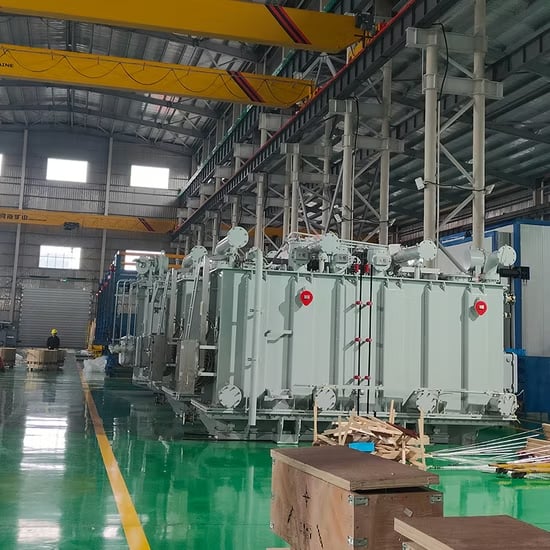
Check the route from the port or road to the final pad. Bridges, turns, gates and lifting gear can limit what can be moved in one piece. Request an outline drawing and a weight for the proposed high voltage transformer, then have the site team check them against the route and lift plan. If parts need to be sent or fitted apart, confirm that scope in the offer.
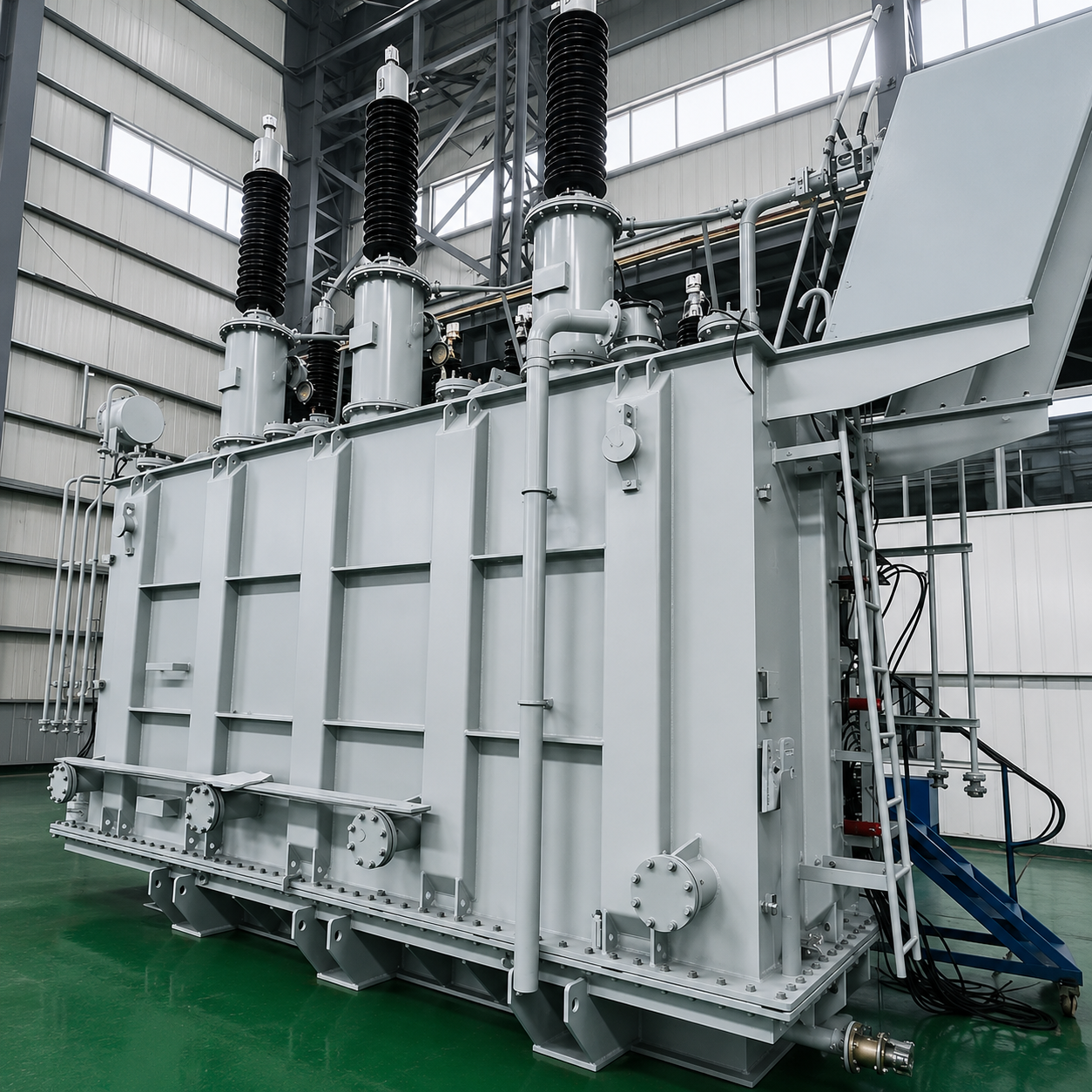
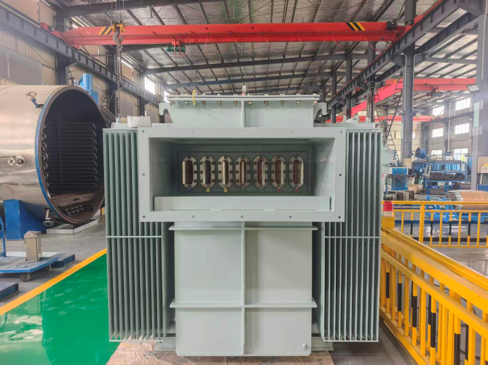
Make a list of cable or bus connections and the gear on each side. The type and location of each high voltage transformer terminal affect the layout. Agree who will check clearances, earth points and access. Do not treat a high voltage transformer image as a site drawing. Final plans should be based on the approved design, local rules and the advice of qualified engineers.
Compare the Scope of Each Offer
When you ask for a high voltage transformer, use one set of project needs for each offer. Include the required tap range, impedance, cooling stages and any monitoring needs. State the test plan and the documents you want to review. Ask which high voltage transformer items are included and which are not. This makes a price easier to compare without assuming that each offer covers the same work.
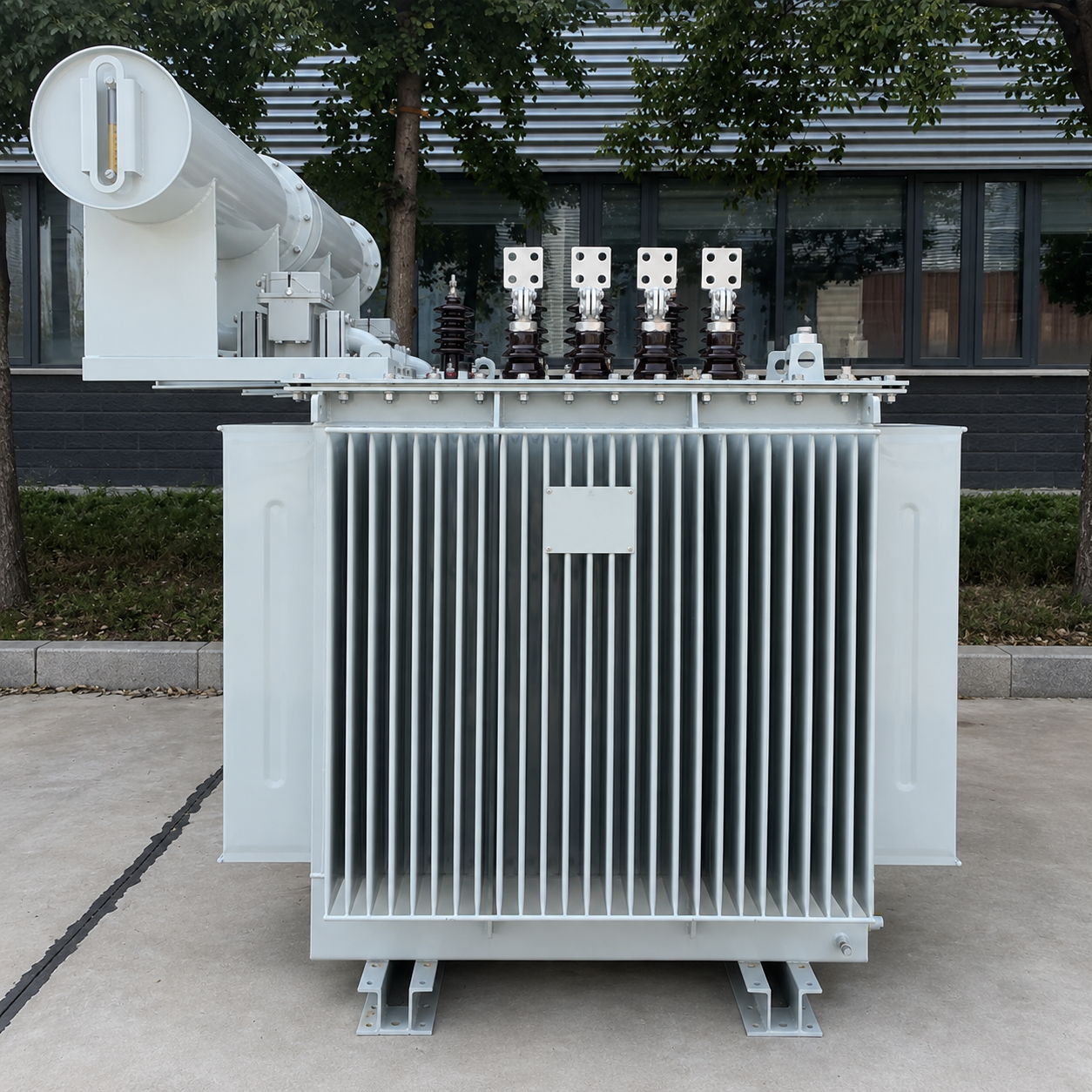
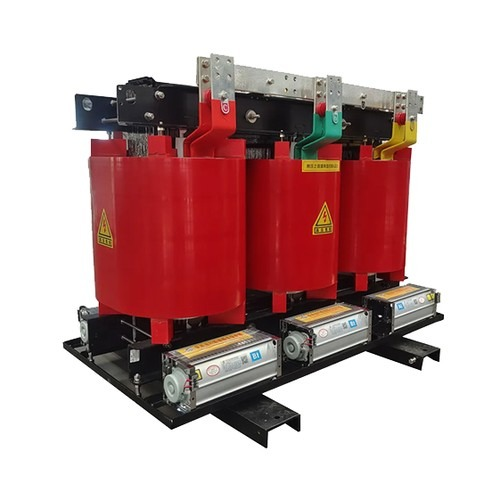
The product list also has an oil immersed distribution unit and a cast resin dry type unit. They are nearby choices, not direct substitutes for a transmission unit. Their voltage and intended duty must be checked on their own. For a mixed project, the team may need more than one type of equipment at different points in the network.
Before an order, review the high voltage transformer drawings, final data sheet and any test scope with the supplier. Resolve open points in writing. The buyer and site team should agree on the limits of supply, the handover documents and the site work needed. A clear record helps each party know what has been chosen and what still needs approval.
 EN