Containerized Substation Options | Apex

+86-13911506505
All Categories
Containerized Substation Options for Power Projects

Containerized Substation Options for Power Projects

A containerized substation brings power equipment into an enclosed unit for a project site. Apex lists containerized units and an E-House for power distribution. The E-House listing gives a typical voltage of up to 40.5 kV; its capacity is set by the project. Buyers can also compare two prefabricated options, which are not assumed to be containerized. This page is for power contractors, trade buyers and end users who need to review equipment for a new or changing site. The listed uses include industry, mining, solar and remote power. Each job has its own load, supply and site needs, so a catalog range is not a final rating. Share your single-line diagram and load details to request a quote. Ask for the scope and ratings to be confirmed in the project documents before you choose a unit.
Get A Quote

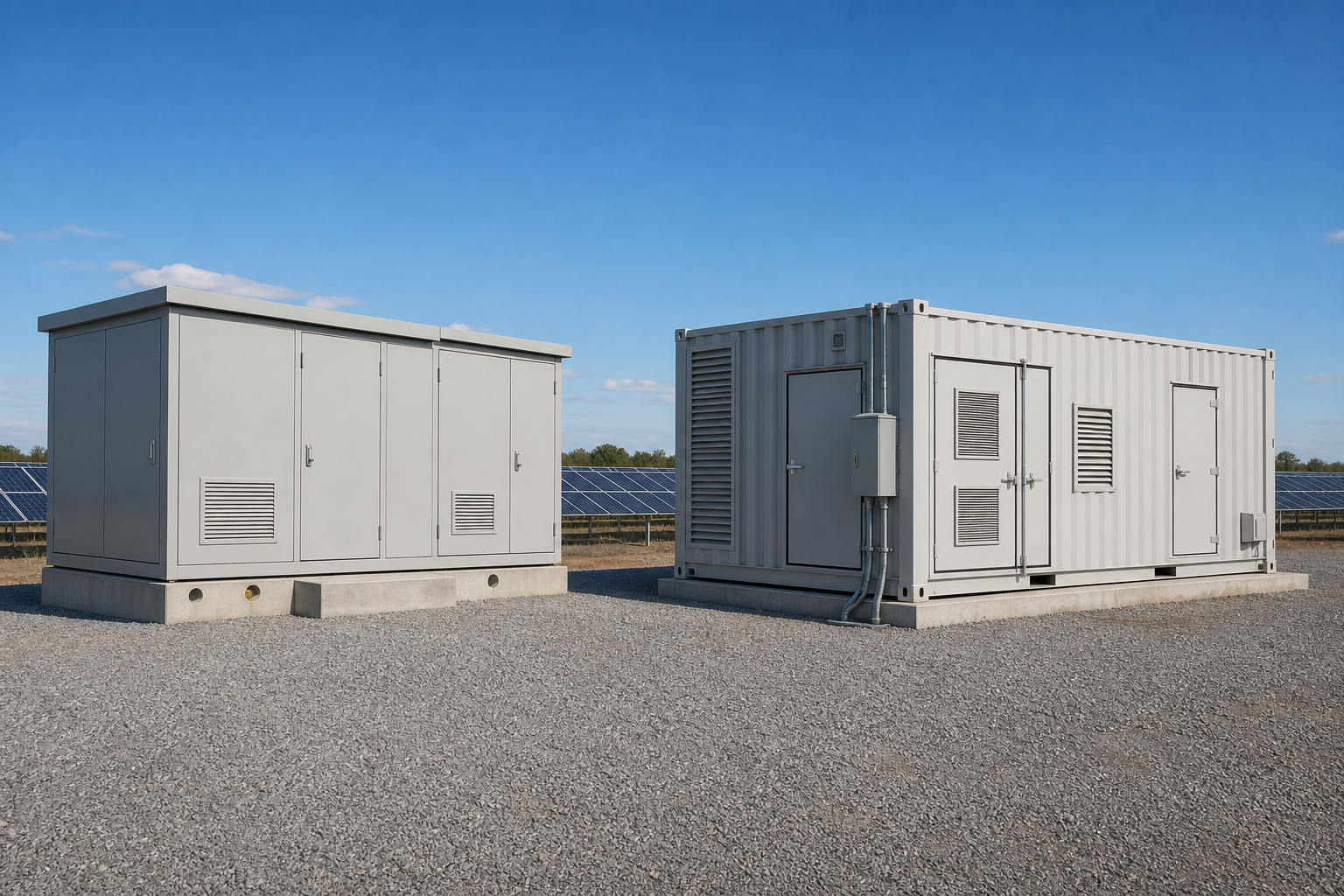
Substations to Compare

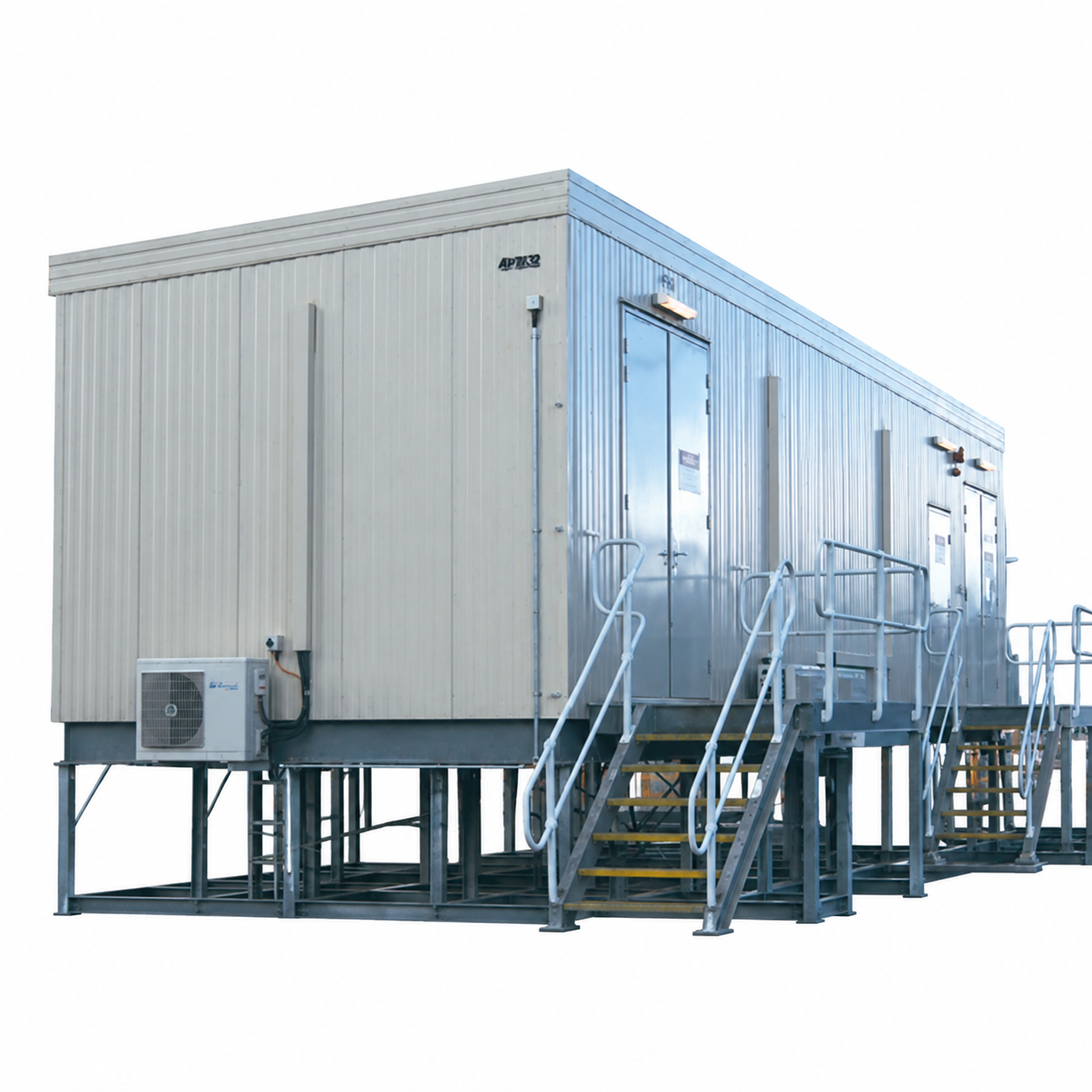
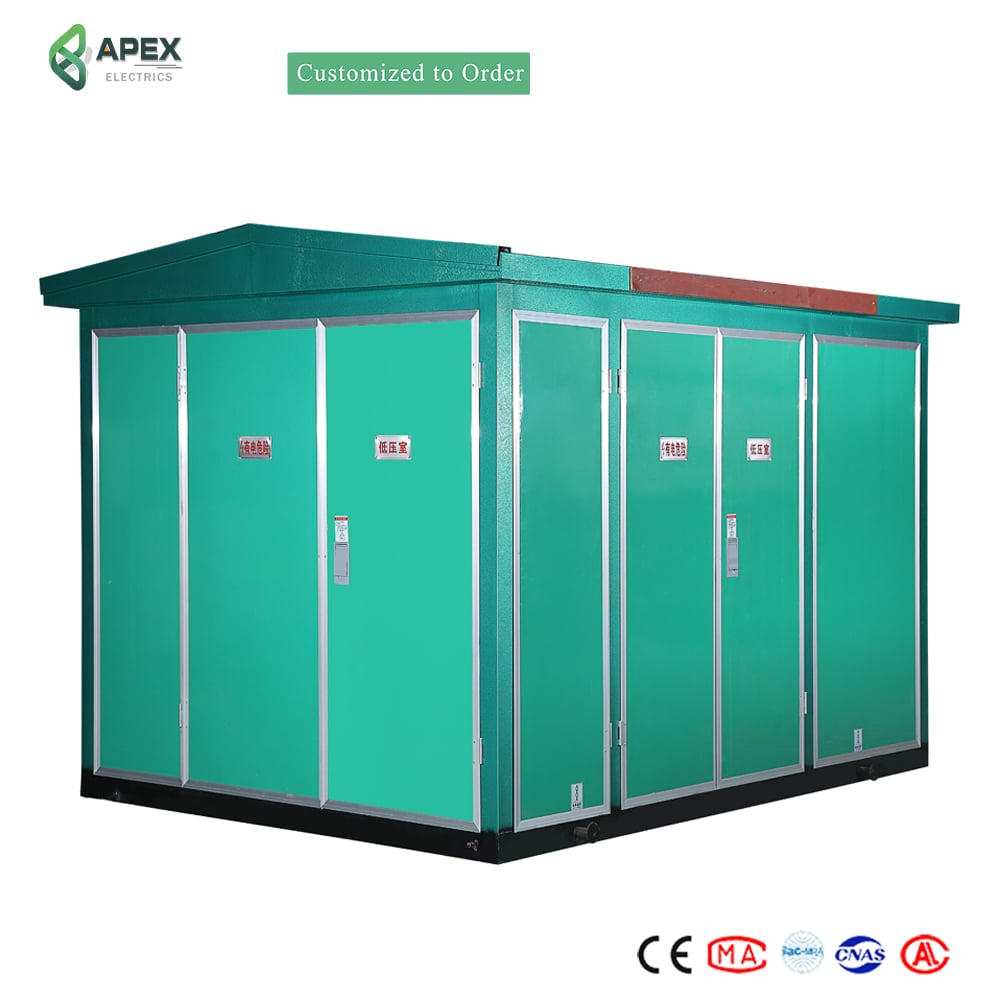
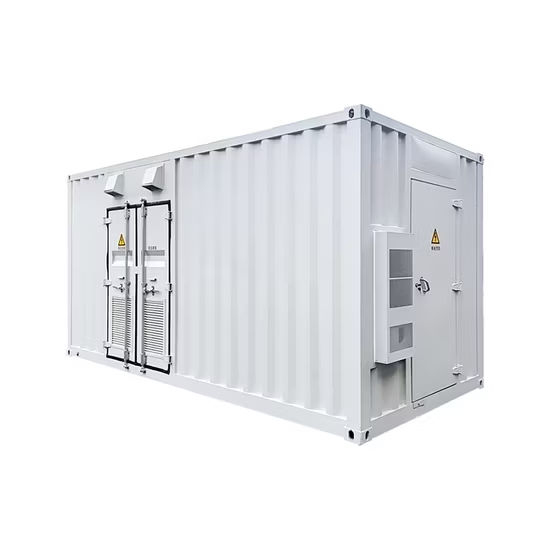
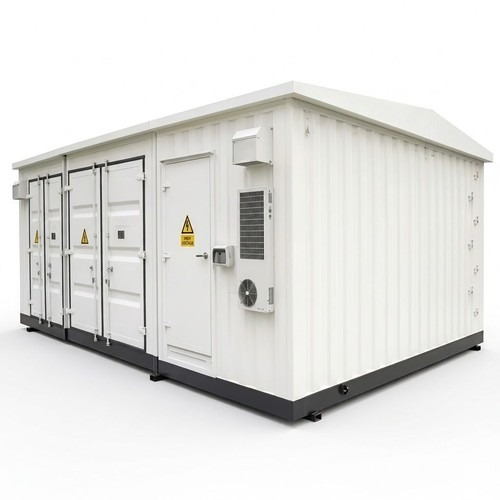
Two containerized units are shown alongside two prefabricated alternatives for comparison; confirm the enclosure for each project.
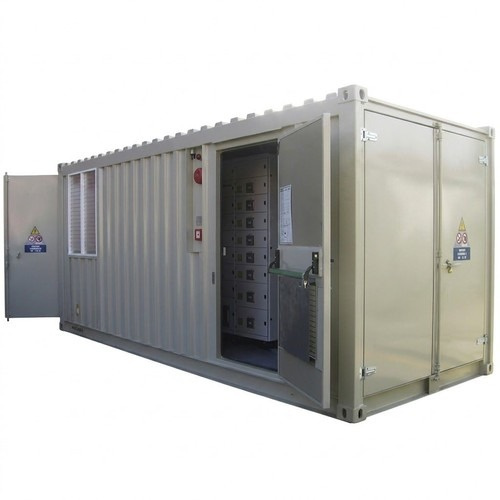
A Coordinated E-House Layout

A Coordinated E-House Layout

The listed E-House brings switchgear, protection, control and auxiliary equipment into a transportable module. Its layout is coordinated around cable entry and links to external equipment. Heating, cooling and fire detection are among the systems described in the product record. The exact equipment and enclosure provisions depend on the project, so ask for the proposed scope and drawings before making a selection.

Start with the electrical duty

What does your site need a containerized substation to supply? Start with the source voltage, the load voltage and the local grid frequency. Add a load list with normal demand, peak demand and known changes in use. A single-line diagram gives each bidder a common starting point. It shows the main power path and where supply and load circuits connect.

For a containerized substation, give the proposed transformer rating and the number of incoming and outgoing circuits. State any needs for metering, protection and control. Ask the supplier to list what is included and what remains outside the offer. A rating on a catalog page is a guide, not a substitute for the approved project schedule. The listed E-House gives a typical upper voltage of 40.5 kV and a project-specific capacity. Do not apply that figure to every model or site.

Compare enclosure and site needs

Will the containerized substation site be open to rain, dust, salt or high heat? Describe the location and the conditions the unit will face. Ask which enclosure and cooling provisions are proposed for that duty. Share the available footprint and the space around it. A small footprint alone does not tell you if doors can open or if staff can reach the gear.

Compare a containerized substation with a prefabricated substation on the same site plan. The compact and modular products on this page are comparison options, not confirmed container units. Review the layout, room access and scope of each offer. A modular substation may use a different building form; ask for the actual drawing instead of relying on a product name.

Mark the routes for cables, drainage and people. Show any walls or other gear that could limit access. Ask the design team to check the clear space needed for operation and service. A site plan helps both sides spot a clash before a layout is agreed. Show the existing ground level and any planned changes to it. If the unit is near other structures, ask the responsible team to review access to each one. Keep the site plan current as the project moves forward.

Plan transport and placement

Before choosing a containerized substation enclosure, trace the route from the delivery point to the final base. Note road limits, bends, gates, overhead lines and the space for a crane. Give the supplier the route limits and ask for the proposed size, weight and lift points. These details can affect whether the unit travels as one piece or needs a different plan.

Confirm who prepares the base for the containerized substation and who handles lifting, unloading and site connections. Ask for outline drawings and the loads the base must carry. Check the cable entry position against the route on site. Agree the scope of work with the supplier and site team before placing an order. Transport details are project-specific and should be checked against the final design.

Review the working life of the unit

A containerized substation needs a safe way to be operated and maintained. Ask how staff will reach the panels and what space is needed to remove parts. Review the access plan with the team that will use the unit. Also ask how heat will leave the enclosure and how cooling equipment can be serviced. The answer depends on the selected gear and the local climate.

List the drawings, manuals and test records needed for your project. Agree the review and acceptance steps in the contract rather than assuming a standard package. Keep a clear record of any spare parts and service needs that are agreed. A well-defined handover helps the site team understand the installed system and plan future work.

Containerized Substation Questions

Answers to common project and purchasing questions.

What should a substation quote include?

For a containerized substation quote, send the single-line diagram, voltage levels, frequency and the expected load. Include the transformer rating if it is known, plus the number of feeders and any metering or control needs. Add site conditions, a layout and transport limits. State which work you expect the supplier to cover. If some details are not set yet, mark them as open. This gives both sides a clear list of points to resolve before the final offer is agreed.
Work for a containerized substation depends on the agreed supply and site scope. The site team may need to prepare a base, receive and lift the unit, and complete external cable and earth connections. The team must also follow the agreed checks before the system is put into use. Ask for a written split of duties and the required drawings. Do not treat a transportable enclosure as proof that all civil and electrical work is included in the price. Record any exclusions in the offer so that the site team can plan for them.
For a containerized substation, give the design team the local rules and the site safety plan. Ask them to review access, isolation, earth connections and the selected protective devices for the actual system. Check fire and cooling needs with the site owner as well. Work on power equipment should be planned and carried out by qualified people under the local rules. A product listing does not replace a site-specific design review or permission to energize the system.
Ask for an equipment schedule, outline and wiring drawings, and the proposed test and inspection documents. Check that the records match the ordered configuration and the values in the technical agreement. The E-House product record gives a typical voltage range, while final values are confirmed for the project. Discuss the required records and acceptance steps before ordering. Do not assume a particular test has been completed until the relevant report has been supplied and reviewed.

Further Reading on Substation Types

Explore the published comparison for a closer look at prefabricated and E-House layouts. Use it alongside the project drawings and the scope offered for your own site.
Prefabricated Substation vs Containerized E-House: How to Choose

26

Aug

Prefabricated Substation vs Containerized E-House: How to Choose

View More

Get a Free Quote

Our representative will contact you soon.
Email
Mobile/whatsapp
Name
Company Name
Message
0/1000

Related Substation Topics

Get a Free Quote

Our representative will contact you soon.
Email
Mobile/whatsapp
Name
Company Name
Message
0/1000