Start with the load profile
A 33kv transformer is chosen for a duty, not just a voltage label. Start with a list of the loads the 33kv transformer must serve. Note the normal demand, peak demand and how long each peak lasts. Include planned growth only when it has a clear basis. A motor start or a load that runs for a short time may change the review. Share the 33kv transformer duty cycle with the project engineer so that the proposed rating has a sound basis.
Use the same 33kv transformer load assumptions when comparing offers. Check how each offer treats reserve, loss and cooling. A lower purchase price does not by itself show the full cost of use. Losses during idle and load periods, upkeep and the expected service pattern all matter. Ask for the values and conditions that apply to the offered design. Compare them on the same basis rather than assuming a saving.
Match both sides of the network
The term 33kv transformer does not say what voltage is needed on the other winding. For the 33kv transformer, state the source and load voltages, their normal range and the system frequency. Identify whether power will flow from the grid to a load or from a generating plant to the grid. A passive transformer changes voltage, not frequency. The project team should confirm the 33kv transformer winding ratio and the insulation requirements for the actual network.
Also define the required winding connections, neutral and earthing scheme. Taps can adjust the ratio within an agreed range, but do not solve every voltage problem. The listed 33–35 kV product describes off-circuit or on-load tapping as options. Confirm which type is needed and included in the offer. Off-circuit taps must only be adjusted under the specified isolated and de-energized conditions. Ask the engineer to review impedance and fault duty with the rest of the system.
Plan for the site and climate
Site heat can affect the choice of a 33kv transformer and its cooling arrangement. Give the expected ambient conditions and altitude rather than assuming the catalog rating applies unchanged. State whether the unit will be indoors or outdoors. Outdoor placement also calls for a review of exposure, drainage and site protection. The approved design and local rules must guide the final layout.
Allow space for access, air flow and work over the 33kv transformer service life. Check the path from the delivery point to the base, including doors, turns and lifting access. A compact drawing on its own does not prove that a unit can be moved into place. Have the site team review the outline drawing and clearances with the supplier before work starts. For an oil-filled unit, ask the site designer to address liquid containment and local fire rules.
Coordinate interfaces before ordering
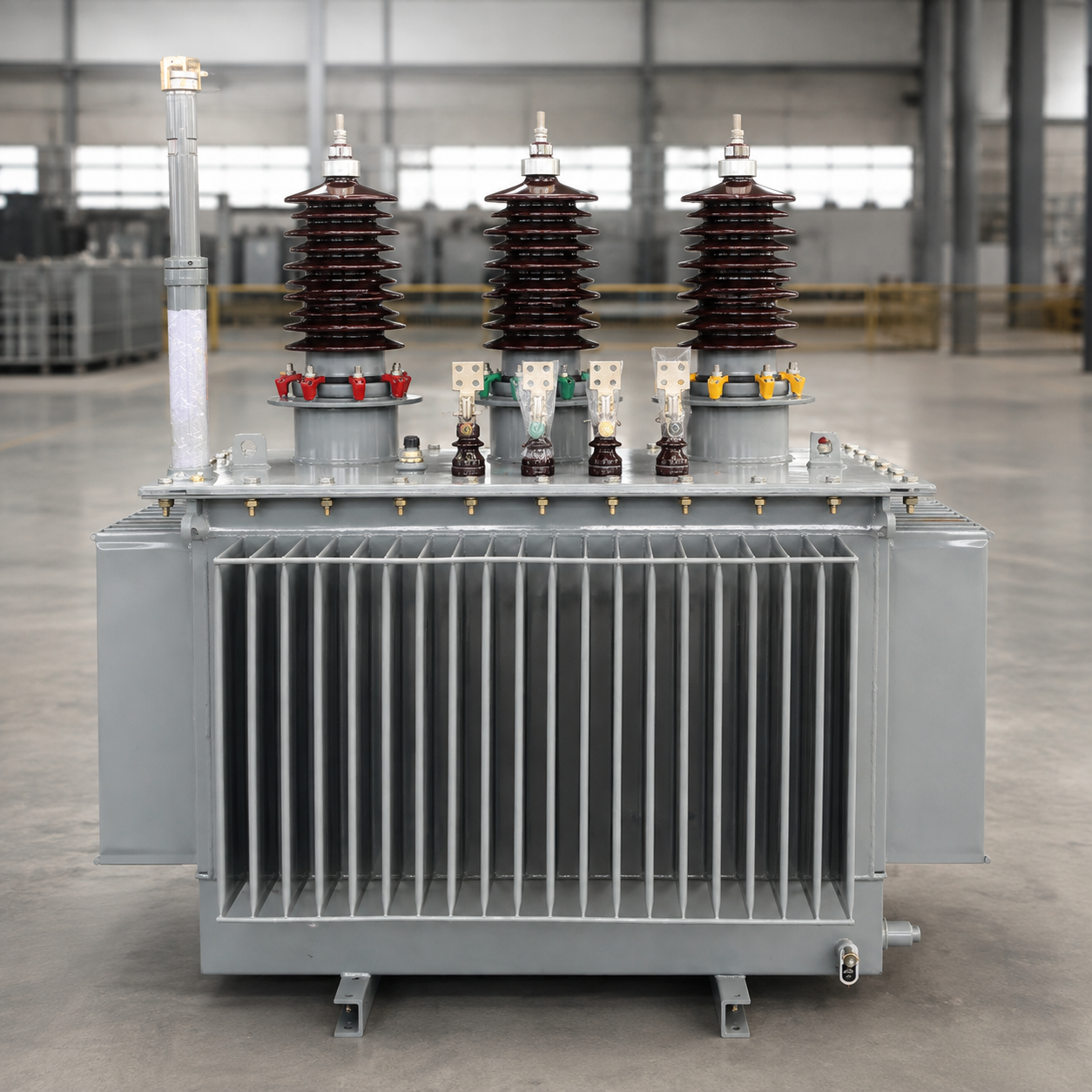
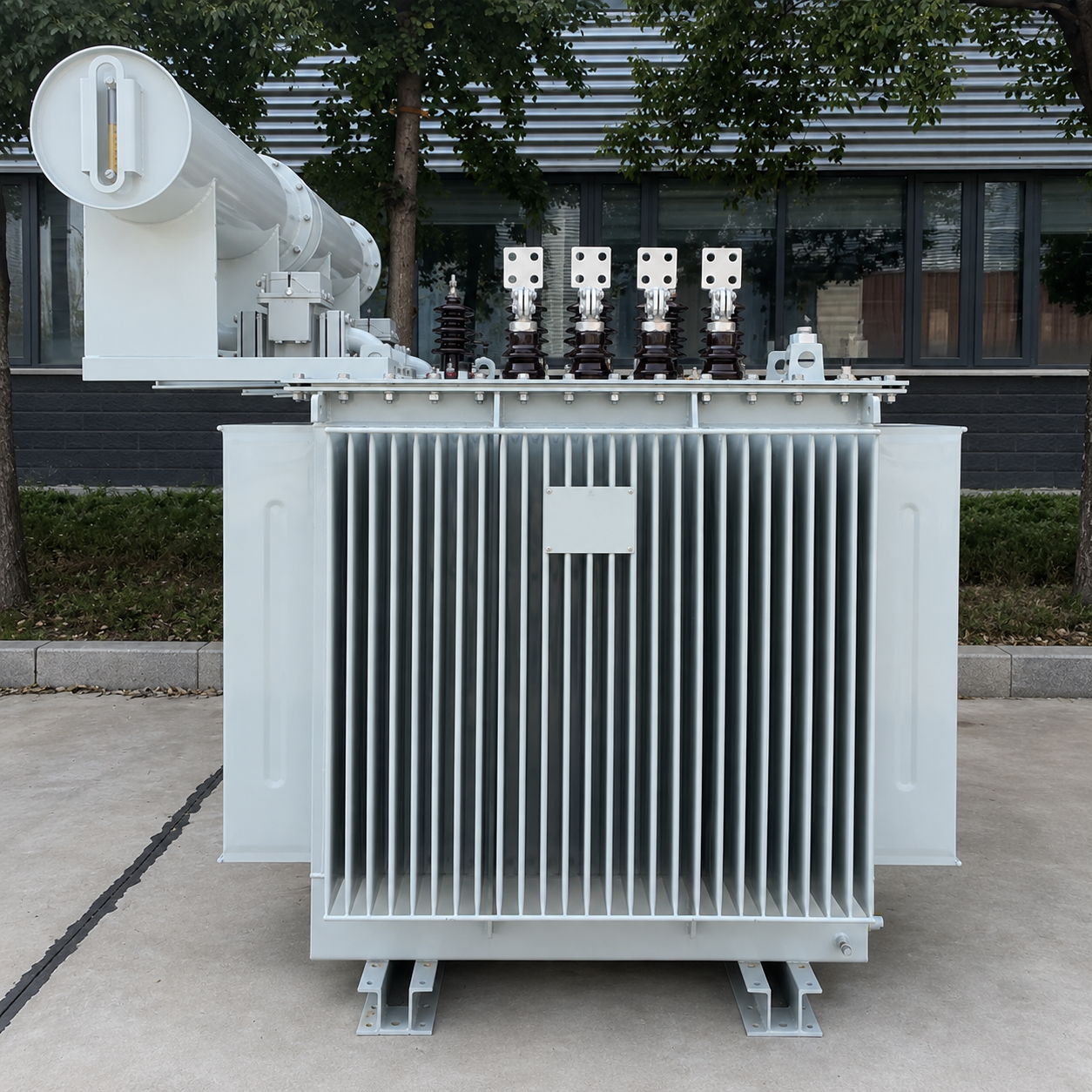
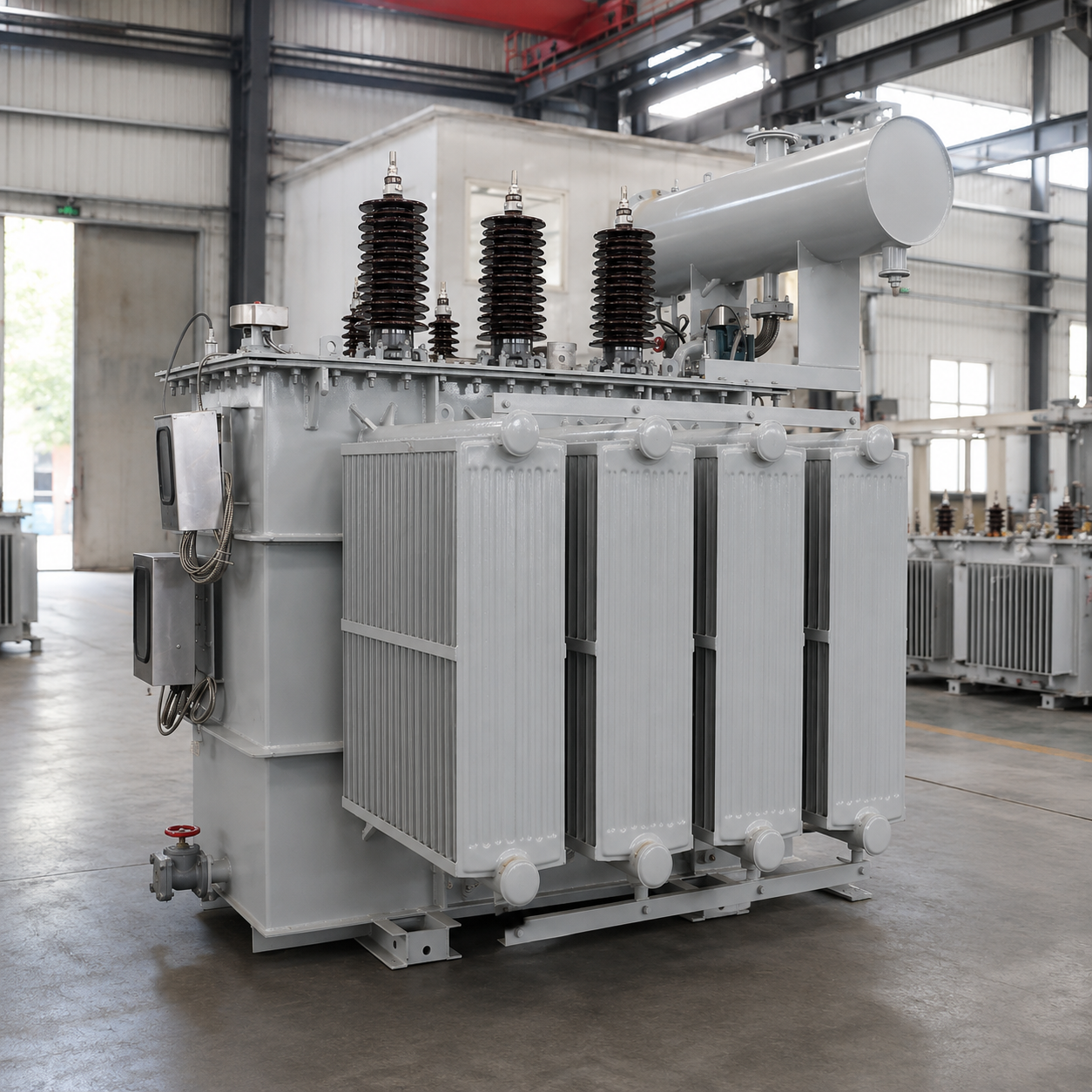
A 33kv transformer has to fit the rest of the installation. Show the location and direction of cable entries on the single-line and layout drawings. Confirm the type of terminals, the earthing points and the space for bends and connections. Protection and control links need the same care. Record who will supply each device and where it will connect. Do not infer the final layout from a product image.
For a solar or wind project, share the grid connection and load conditions as well as the expected direction of power flow. Reverse or varying duty needs a project review; it should not be inferred from a voltage class. If the 33kv transformer will work beside another unit, the engineer must review ratio, phase, impedance and protection together. Matching labels alone do not establish that parallel operation is suitable.
Make offers easy to compare
Send a single-line diagram, load schedule and site details with the 33kv transformer request. Ask each supplier to state the offered configuration and any departure from the specification. Review the rating, loss figures and drawing on the same duty basis. Discuss the documents needed for delivery and review the scope of any tests before placing an order. Let qualified staff handle installation, checks and energization under the applicable site procedures.
Keep open items in a shared list. Record who must resolve each one and which drawing or document will close it. This makes it easier to spot a missing interface before work reaches the site. A 33kv transformer quote should be checked against the approved technical schedule, not treated as the final engineering design.
 EN