Start With the Network, Not the Name
A 33kv containerized substation starts with the needs of the power distribution grid it will join. A voltage in a product title or a maximum voltage in a data sheet is not enough to prove that a specific unit fits. Ask the network owner for the nominal and highest system voltage, frequency, fault levels and applicable rules. Give those values to the supplier along with the site single-line diagram. Ask for a written match between the power distribution network and each proposed item of switchgear.
For example, the E-House record lists a typical rating up to 40.5 kV. That is a product reference, not a statement that every 33 kV duty is covered. The transformer, switchgear, cable ends and other parts must each be checked for the intended power distribution duty. Ask the supplier to state any switchgear limits or gaps before you accept a quote. The review should also identify which party owns each part of the design.
Compare Load and Power Paths
Set out the power distribution loads that the site must feed. Show the expected peak, the load pattern and any planned growth. Include motor starts or other large changes in demand if they matter to the site. A load schedule helps the design team check transformer size, switchgear bus current and outgoing circuits. It also gives bidders a common basis for their proposals. The right capacity is a project decision, not a number that can be inferred from the enclosure.
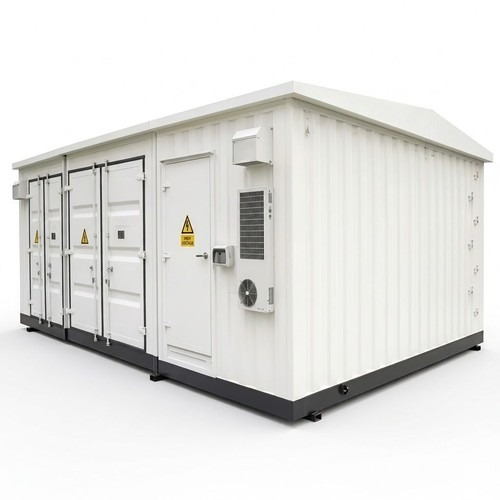
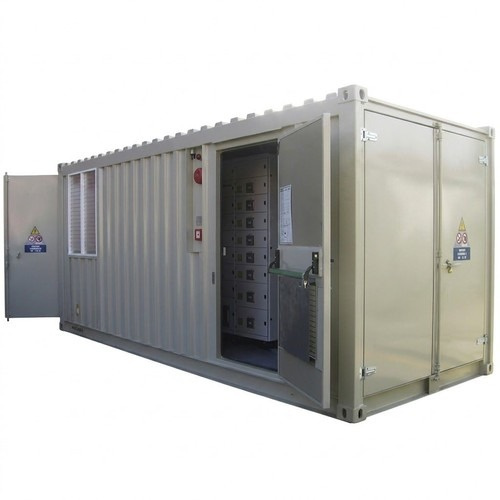
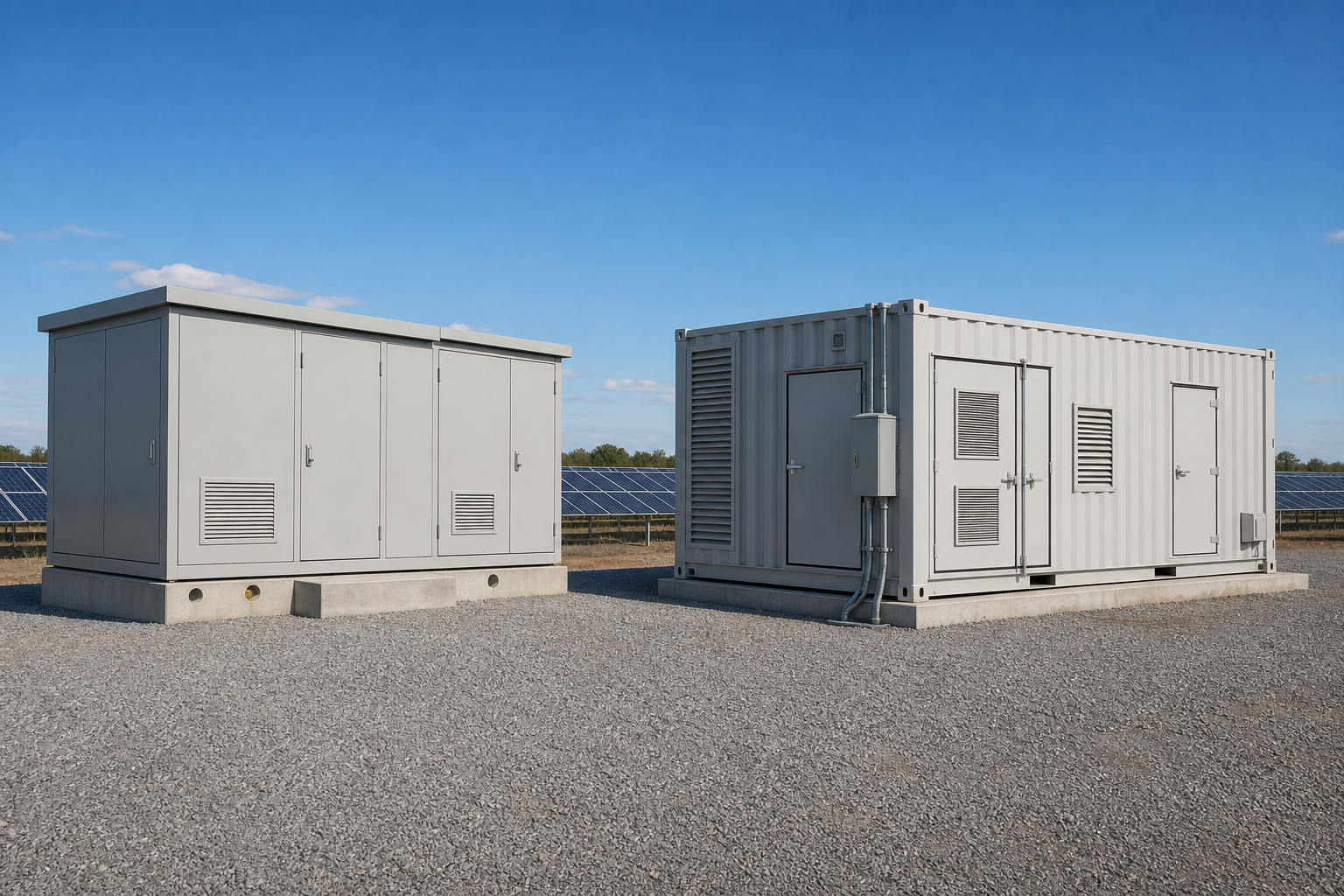
On the single-line diagram, mark the incoming supply and each outgoing switchgear feeder. Note if power distribution metering or a spare switchgear feeder is needed. Explain how the plant should be run and who will operate it. Ask for a list of the proposed power distribution equipment and switchgear ratings. Check that the switchgear list and diagram describe the same scope. This makes it easier to compare a containerized design with a prefabricated substation without treating them as identical products.
Check Protection and Connections
Ask the design team to check the switchgear against the available fault current and the planned power distribution protection scheme. The chosen switchgear devices must work with the upstream and downstream network. Define how a fault is detected and which device should trip. Ask for the planned switchgear settings and the basis for coordination. Do not assume that a matching switchgear voltage class alone confirms fault duty or protection.
Next, mark the physical handoff points. Specify the number and type of incoming and outgoing cables, their routes and the space needed for bends. Confirm switchgear cable entry, terminations and the earth connection on the proposed drawing. A missed terminal or an unclear cable route can add work during installation. Make a responsibility list for the supplier, civil contractor and electrical installer so no interface is left unassigned.
Plan the Site and Review the Offer
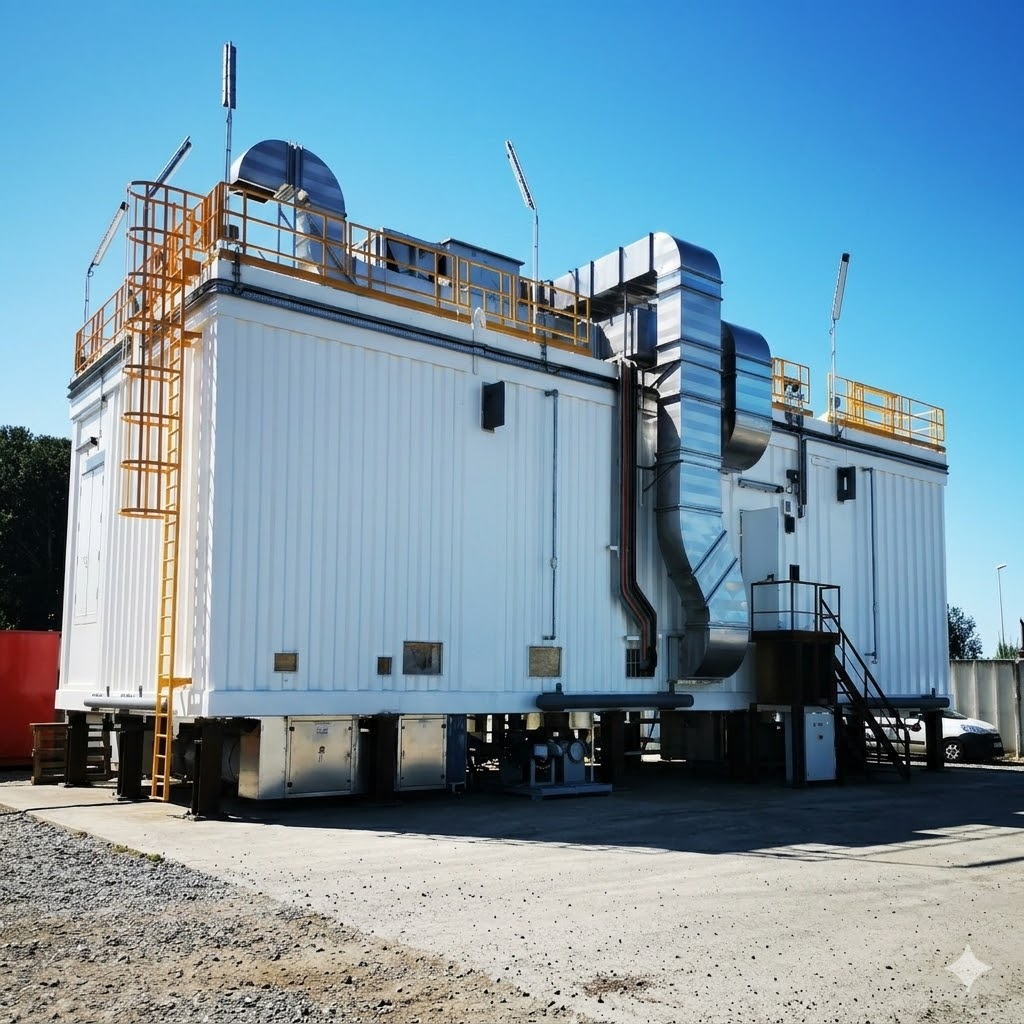
A 33kv containerized substation also needs a site plan. Give the supplier the local climate, available footprint, access route and any limits on lifting or transport of the switchgear. Show space for doors, service work and safe access. If the site is hot, ask how the selected switchgear and enclosure will be rated for that condition. Confirm the cooling and fire provisions in the actual offer rather than assuming that every option has the same features.
Ask for an outline drawing, a switchgear scope list and the data sheets for the items offered. Review the test and inspection documents that will apply to the proposed build. Agree on the delivery boundary and the work to be done on site. Keep open items in a written list and resolve them before design approval. Once the network owner and project team have reviewed the details, use the same list to compare each bid on its stated scope and limits.
 EN