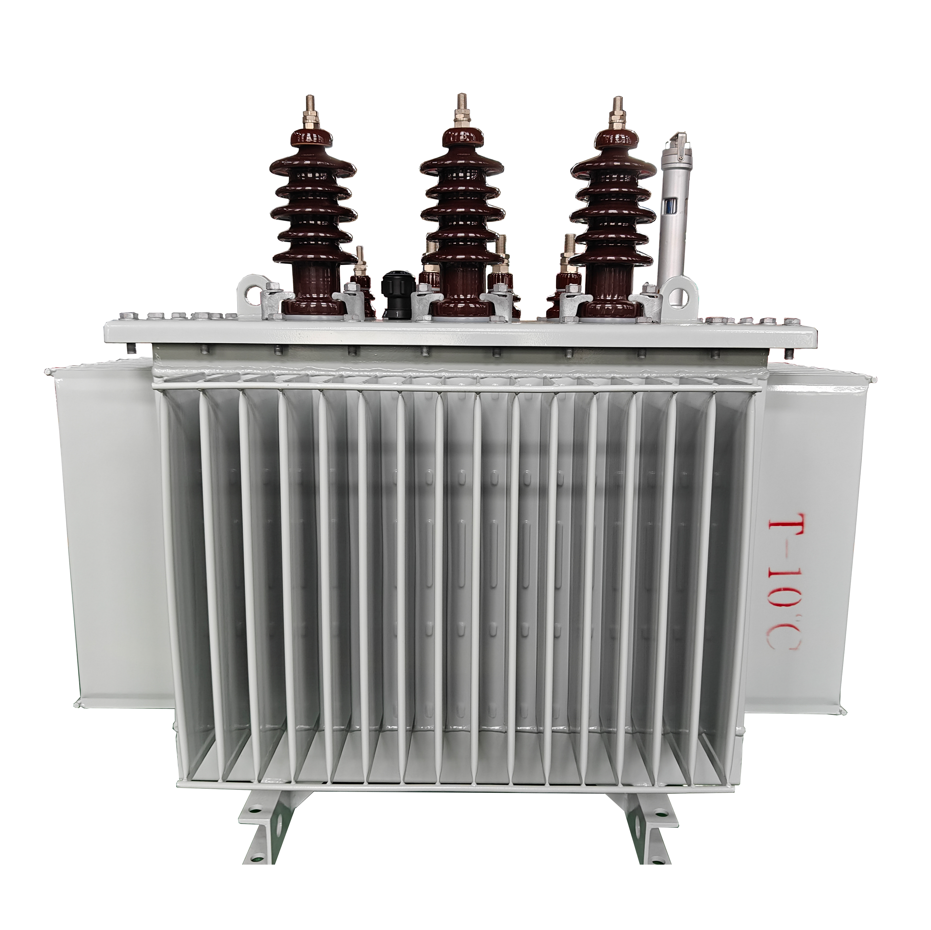
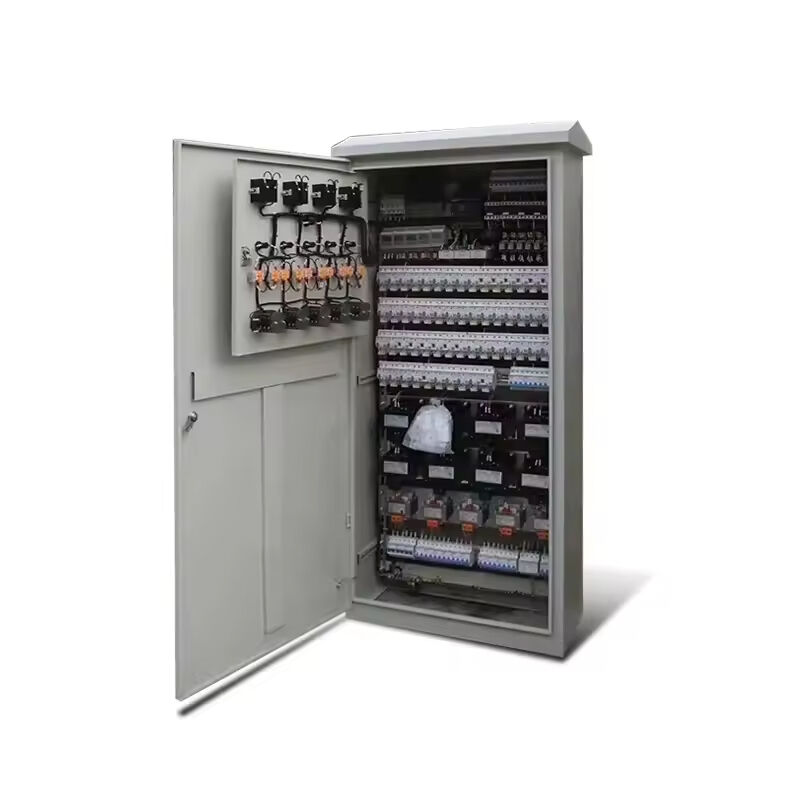
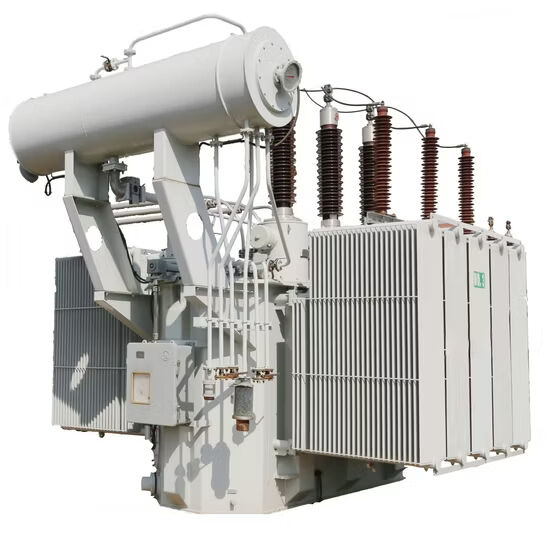
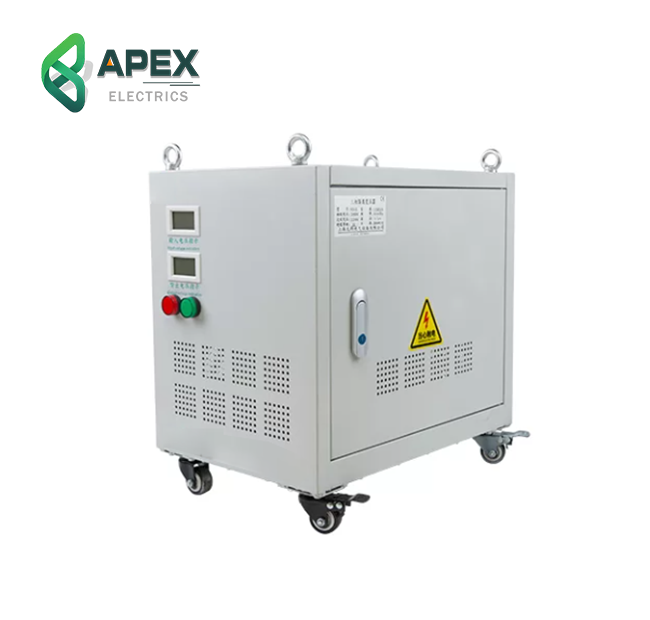
Three Phase Transformer for Urban Municipal Grid Distribution
Apex Electrics specializes in the research, development, and manufacturing of high-quality transformer products. Our extensive range includes oil-immersed, dry-type, amorphous alloy, and new energy transformers, as well as prefabricated substations and switchgear.
Our founder also operates an international logistics company, enabling us to handle CIF terms efficiently and ensure smooth, reliable delivery worldwide.
Embrace Change
In a rapidly evolving market and technology landscape, we stay agile and innovative to ensure you always receive the most advanced products and solutions.
Customer First
Your success is our success. Every decision we make begins with understanding and fulfilling your needs.
Three Phase Transformer Coastal Anti-Corrosion Salt Fog Resistant
Insulation enhanced three phase transformer optimized for low air pressure. Avoid partial discharge and adapt power construction in mountainous and high altitude regions.
Frequently Asked Questions (FAQ)
Q:Why are dry-type transformers preferred for power distribution in high-rise buildings?
A:Dry-type transformers are oil-free and do not have the risks of oil leakage or explosion. They have high fire safety. The volume is relatively small, making them easy to install in the distribution rooms of buildings. The maintenance is simple and they meet the fire protection and space requirements of high-rise buildings.
Q:What are the reasons for the three-phase voltage imbalance in the transformer?
A:The positions of the transfer switch are inconsistent; there is a short circuit between the windings (in a certain phase); the three-phase load is severely unbalanced; the system voltage is unbalanced across the three phases.
Q:What are the handling methods for oil leakage in the high-voltage bushing of a transformer?
A:Minor leakage: Tighten the flange bolts of the casing and replace the sealing gasket; Severe leakage: Replace the casing after power outage; If the insulation inside the casing gets damp, conduct an insulation test and replace the casing if necessary.
Q:What are the criteria for determining when to replace an old transformer?
A:The load rate has consistently exceeded 80% and there have been frequent overloads; the losses under no-load and at full load are more than 20% above the standard; insulation has aged (with excessive dielectric loss values and deteriorated oil quality); serious faults have occurred (such as winding deformation and multiple-point grounding of the core); the energy efficiency grade is lower than level 3 and energy-saving renovations are not economically viable; it has reached the design service life (generally 20–30 years).

 EN
EN