100 kVA Transformer | Distribution Selection

+86-13911506505
All Categories

100 kVA Transformer Selection for Distribution

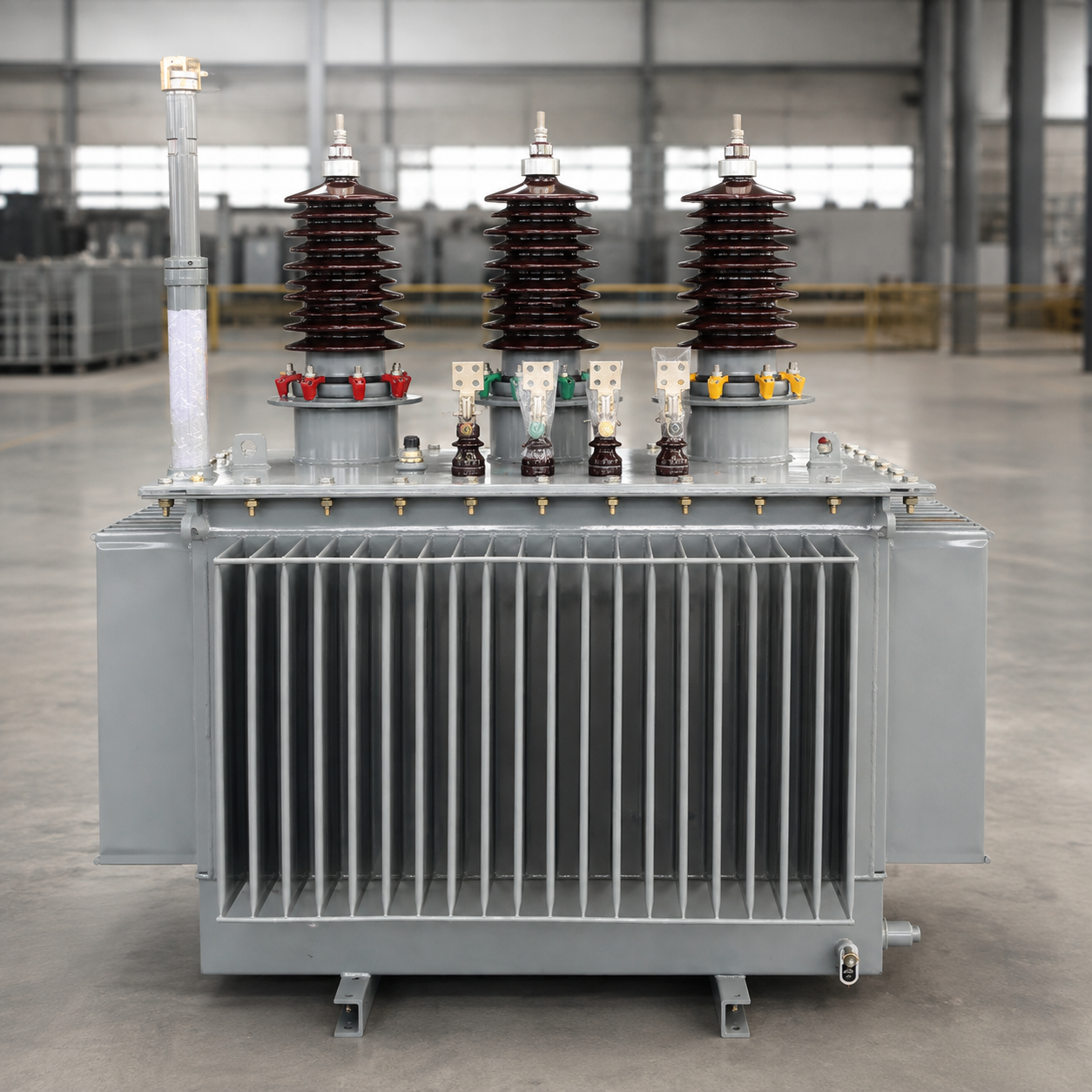
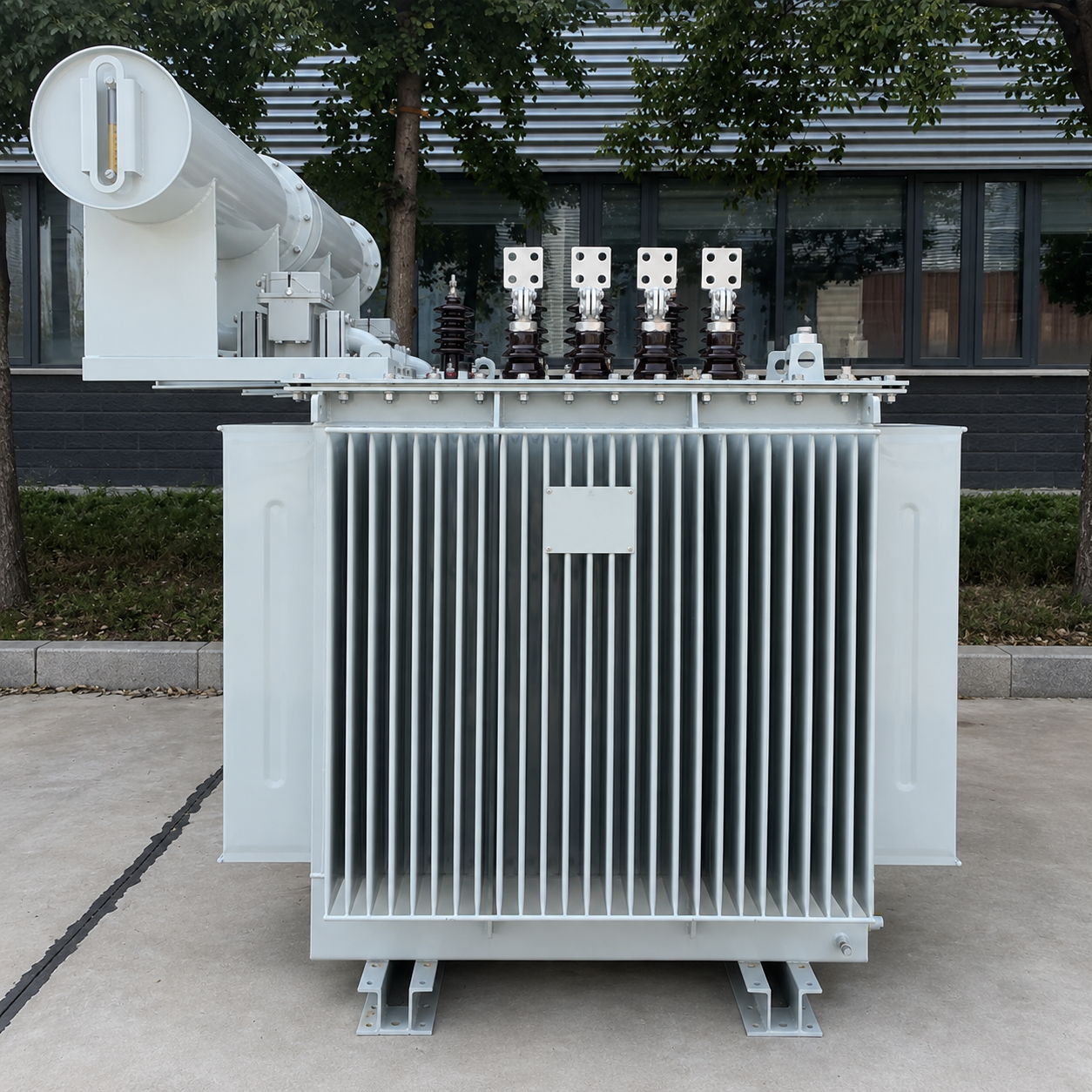
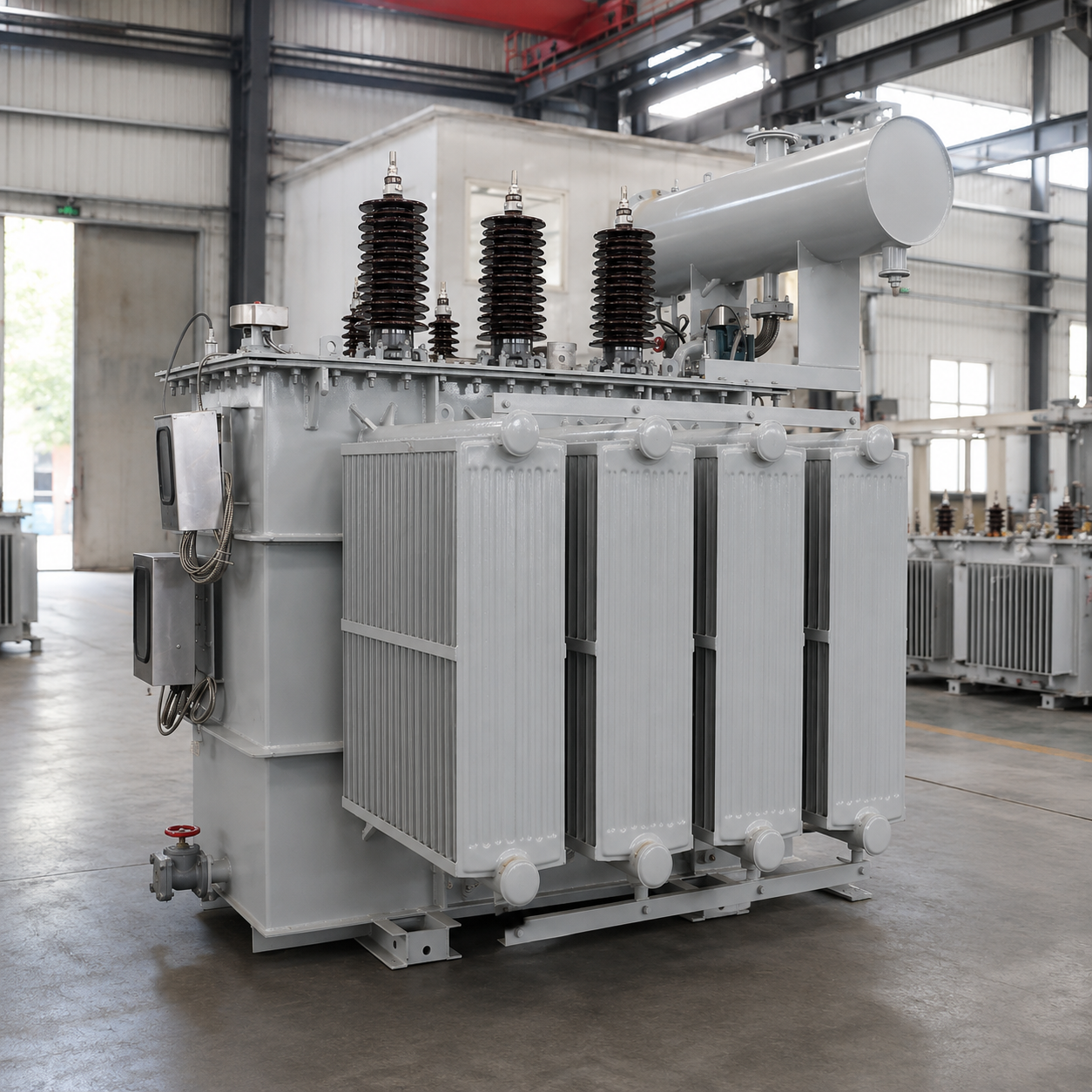
Looking for a 100 kva transformer? Start with the oil-filled distribution range shown here. It is relevant to firms that install or trade power equipment and to teams planning supply for buildings or plants. The listed 11 kV and 20–24 kV product records include capacity ranges that cover 100 kVA. The 33–35 kV listing is a related, higher-capacity range, not a confirmed 100 kVA choice. Each site has its own load and grid needs, so a catalog range is only a starting point. APEX TECHNOLOGIES lists these products for distribution projects. Ask for the proposed unit's data and a quote before making a choice. Share your site needs and planned use so the offer can be checked against your project. This page is a guide, not an approved design or a promise that every listed unit fits your site.
Get A Quote

Distribution Transformer Range

For a 100 kVA transformer inquiry, compare catalog families and confirm each rating. The 33–35 kV family starts at 500 kVA.
Oil-Filled Range for Grids

Oil-Filled Range for Grids

The selected catalog includes oil-immersed distribution families for several voltage classes. The 11 kV listing names utility, commercial and industrial feeders as typical uses. The 20–24 kV listing also names distribution networks and industrial power systems. These are family-level uses, not proof that a specific unit fits a given site. Ask for the exact rating and scope of any proposed model.

Start With the Load

A 100 kva transformer has a stated apparent power rating. That number is not the same as the kilowatts used by a site. For a simple electrical load, power factor links the two values. If your figures are already in kVA, do not apply power factor a second time. Motor output in kW is not the same as motor input, so its efficiency also matters. Ask the project engineer to state each assumption in the load schedule.

List the loads that can run at the same time, not just the sum of all nameplates. Note how long the peak lasts and how often large motors start. Review the effect of start current and voltage dip on the rest of the site. Also record any known growth plans rather than adding an unexplained reserve. Too little capacity can limit the design, while too much can raise initial cost and leave the unit lightly loaded.

For a balanced three-phase system, line current can be estimated from kVA and line-to-line voltage. For single-phase duty, use the matching single-phase formula instead. These estimates do not set cable or breaker sizes. The design team must check each side of the unit and the duty of the connected equipment.

Match the Network

For a 100 kVA transformer, begin with the supply point and its stated voltage. Then record the voltage and phase needs of the loads. The primary and secondary values must be clear in the request. Frequency, winding connection and neutral needs also affect the choice. A voltage class in a product title does not establish the exact output voltage of a unit.

Ask the grid owner or project engineer to confirm the tap range and the required connection group. Check the required insulation level and short-circuit duty as part of the full network design. If other sources or units share a bus, the engineer must review how they work together. Matching voltage alone does not establish that two units may run in parallel.

The product records for the 11 kV and 20–24 kV families give ranges that include the target capacity. The related 33–35 kV family lists a range starting at 500 kVA. It should not be treated as an available 100 kVA model without a separate offer. Request a schedule for the exact unit rather than transferring data from one family to another.

Plan the Site and Interfaces

For a 100 kVA transformer, check whether the site is indoors or outdoors and describe heat, altitude, dust and moisture. An oil-filled unit needs a site plan that accounts for the fluid and local rules. The design team should review spill measures, fire rules and safe access with the relevant authority. Do not assume that a unit suited to one setting will suit another.

Allow space for moving the unit into place and for safe access after it is installed. Review the base, clearances, lifting route and the way heat can leave the area. Get the outline and mass for the proposed unit before the site plan is fixed. Site conditions can change the suitable rating or layout, so give the supplier the actual design limits.

Identify where cables or busbars enter and leave. The terminal layout must match the site drawings and allow the required bend space and clearances. Protection, earthing and the means to isolate the unit form part of the wider design. Qualified staff should carry out the work under the approved project plan and local rules.

Compare Offers on a Common Basis

For a 100 kVA transformer, ask for the same duty and scope in each quote. Separate the purchase price from the loss data and expected hours of use. A loss figure is useful only when its test basis and the proposed load are clear. Compare likely running cost as well as the price of the unit, but do not assume a saving without project data.

Check which drawings, test records and parts are included. Note any items that are listed as options or exclusions. Confirm the tank and cooling arrangement for the actual offer, along with the fluid and any site limits. Keep open questions in a shared list until the technical schedule is agreed. This gives the buyer a clear basis for comparing offers without treating a general catalog page as a final specification.

100 kVA Transformer Questions

Answers for project buyers and site teams.

Is a 100 kVA transformer enough for my project?

It depends on the actual demand and duty. Review the load schedule for items that run together, motor starts and planned changes. A figure in kW must be assessed with the relevant power factor, while a figure already in kVA should not have that factor applied again. Site heat and other conditions can also affect the choice. Have a qualified engineer check the proposed rating and confirm it against the final unit data before you place an order.
An indoor site needs its own review. The team should assess access, heat removal, fluid containment and applicable fire rules before choosing the layout. The available room must also suit the outline, mass and required working space of the proposed unit. Do not treat a catalog photo as a site plan. Ask for the unit drawing and installation requirements, then have the design team check them against local rules and the conditions at the actual site.
Provide the target kVA, source and load voltages, phase and frequency, along with the site location and whether the unit will be indoors or outdoors. Include a load list and a single-line diagram if available. State any required taps, terminals, loss limits, test records and delivery scope. Mark points that still need a decision. Request a written technical schedule and quote for the exact offer, and check any exclusions before the order is approved.
Ask for a technical schedule for the offered 100 kVA transformer, plus its outline drawing and the proposed scope of supply. The schedule should state the agreed rating and the key values used by the design team. Clarify which test records are included and when they will be provided. Check that the documents refer to the unit being offered, not just to a broad product family. Record any missing details for review before the purchase is approved.

Further Reading on Transformer Sizing

Use this guide to review how apparent power and current relate to the stated voltage. It also explains why a current calculation alone does not determine the protection or cable design.
Transformer Capacity and Current Calculations APEX TECHNOLOGIES | Transformer Buying Guide

03

Nov

Transformer Capacity and Current Calculations APEX TECHNOLOGIES | Transformer Buying Guide

View More

Get a Free Quote

Our representative will contact you soon.
Email
Mobile/whatsapp
Name
Company Name
Message
0/1000

Related Distribution Pages

Get a Free Quote

Our representative will contact you soon.
Email
Mobile/whatsapp
Name
Company Name
Message
0/1000