 EN
EN

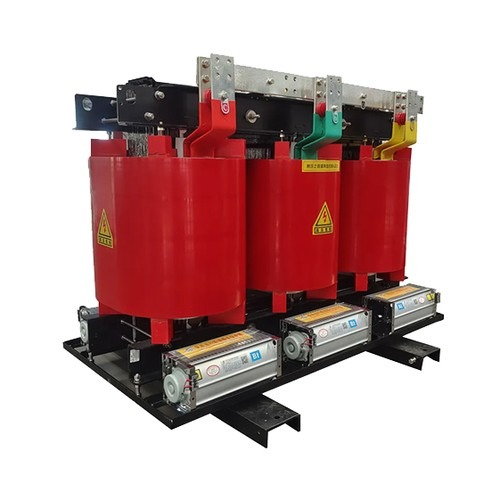
Inherent Fire Safety of Cast Resin Type Transformers
UL94 V-0 Rating and Self-Extinguishing Behavior Under Electrical Faults
Cast resin transformers derive their decisive fire safety advantage from epoxy resin insulation certified to UL94 V-0—the highest flammability rating for solid materials. Under test conditions, a vertical specimen must self-extinguish within 10 seconds after two flame applications and produce no flaming drips. Crucially, this behavior translates directly to real-world electrical faults: during internal arcing or severe overload, the resin chars locally but does not sustain or propagate flame. Its chemical structure inherently limits combustion to the immediate fault zone, eliminating the risk of cascading fire. With no flammable liquid present, there is zero potential for pool fires or vapor-cloud explosions—critical in confined, high-occupancy spaces like hospitals, data centers, and tunnels. This combination of UL94 V-0 compliance and oil-free construction makes cast resin units the benchmark for fire-resilient power delivery under extreme electrical stress.
Comparative Fire Performance: Cast Resin vs. Oil-Filled and VPI Dry-Type Transformers
Fire safety distinctions among transformer types are stark and well-documented. Oil-filled units contain hundreds of liters of mineral oil—ignitable above 300 °C—with documented potential for explosive vapor generation and uncontrolled fire spread. VPI dry-type transformers eliminate oil but rely on organic varnishes and insulation materials that typically lack UL94 V-0 certification and may support flame propagation under fault conditions. Cast resin transformers, by contrast, deliver a fundamentally lower-risk profile.
| Feature | Cast Resin | Oil‑Filled | VPI Dry‑Type |
|---|---|---|---|
| Flammable liquid | None | Yes (mineral oil) | None |
| Explosion risk | Very low | High | Low |
| Self‑extinguishing | Yes, UL94 V‑0 | No | Often limited |
| Fire‑rated room required | Typically not | Yes, with containment | May be required |
| Indoor suitability | Excellent | Restricted | Good, but with precautions |
This performance differential explains why cast resin units are specified by default in fire-sensitive, mission-critical infrastructure—where minimizing combustible load is non-negotiable.
Environmental Safety Advantages of Cast Resin Type Transformers
Elimination of Oil Leakage, Soil Contamination, and Hazardous Fluid Handling
Cast resin transformers eliminate the environmental liabilities tied to liquid dielectrics. By fully encapsulating windings in inert, moisture-resistant epoxy resin, they require no insulating oil—eradicating the risk of leaks that can contaminate soil and groundwater. A single oil-filled transformer failure may release hundreds of liters of mineral oil; EPA data (2023) shows average remediation costs for moderate spills exceed $50,000. The absence of oil also removes hazardous fluid handling, storage, disposal, secondary containment, oil-water separators, and routine dielectric testing—reducing operational complexity and long-term regulatory liability. Their sealed, self-contained design ensures reliability even in flood-prone or coastal environments without added enclosures, making them the preferred solution for urban substations, water treatment plants, and data centers where ecological stewardship is integral to facility design.
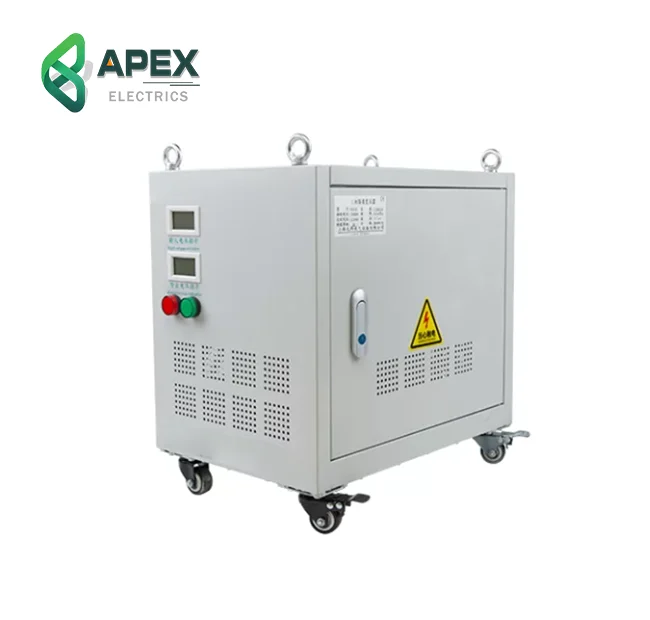
Regulatory Benefits Under EPA Spill Prevention Rules and EU Eco-Design Directive 2026 Updates
Cast resin transformers are categorically exempt from the U.S. EPA’s Spill Prevention, Control, and Countermeasure (SPCC) rule (40 CFR 112), which mandates detailed spill plans, engineered containment, and regular inspections for sites storing more than 1,320 gallons of oil. This exemption reduces administrative burden and audit-related compliance costs by an estimated 30–40% (EPA SPCC Guidance, 2023). The upcoming EU Eco-Design Directive 2026 further strengthens their position: draft provisions introduce stricter life-cycle criteria—including bans on hazardous substances and enhanced recyclability requirements. With no oil, halogenated coolants, or toxic additives, cast resin units inherently meet these benchmarks for material efficiency and end-of-life recovery. For sustainability officers and energy managers, this means future-proofed asset decisions that avoid retrofitting risks and align seamlessly with tightening global environmental legislation.
Global Regulatory Compliance Pathways for Cast Resin Type Transformers in 2026
IEC 60076-11 and IEEE C57.12.01 Certification Requirements for Safety-Critical Installations
Global safety-critical applications demand rigorous, harmonized validation—and cast resin transformers consistently meet the highest tiers. IEC 60076-11 remains the definitive international standard for dry-type power transformers, specifying strict limits on partial discharge, temperature rise, and insulation integrity for epoxy-encapsulated windings. In North America, IEEE C57.12.01 adds critical requirements for dielectric strength, short-circuit withstand, and thermal aging—with explicit emphasis on fire-safe operation in high-occupancy buildings. The technology’s dominance in the North American dry-type market (58.7% share in 2024, Market Data Forecast) stems directly from its ability to satisfy UL94 V-0 flammability and self-extinguishing performance without secondary containment. As a result, specifiers for hospitals, underground substations, and data centers now routinely require dual IEC/IEEE certification—ensuring core and coil integrity under internal arc faults, with no flame propagation or toxic smoke emission.
Adoption Trends in Local Fire Codes: NFPA 70E, EN 50587, and AS/NZS 2063
Local fire codes are converging globally around the proven safety of cast resin technology. NFPA 70E now explicitly incorporates transformer fire performance into arc-flash risk assessments—driving facility managers toward units with verified self-extinguishing insulation. In Europe, EN 50587 defines fire resistance classes for building-integrated transformers, and the 2026 EU Eco-Design Directive update will tighten environmental thresholds, effectively positioning low-smoke, oil-free cast resin designs as the de facto compliant solution. Across Asia-Pacific, AS/NZS 2063 mandates standardized fire-behavior testing for dry-type units—and adoption is accelerating fastest in markets where revised fire codes require indoor transformers to achieve F1 or F2 fire class ratings. This regulatory alignment enables a single cast resin design to satisfy NFPA, EN, and AS/NZS requirements simultaneously—accelerating the phase-out of legacy oil-filled and VPI units in safety-critical infrastructure.
FAQ Section
What is the UL94 V-0 rating?
The UL94 V-0 rating is the highest flammability classification for solid materials under the UL94 standard. It means a vertical specimen must self-extinguish within 10 seconds of flame application and produce no flaming drips.
How do cast resin transformers compare to oil-filled and VPI dry-type transformers?
Cast resin transformers are oil-free and self-extinguishing, offering unmatched fire safety. Oil-filled transformers have higher fire and explosion risks due to flammable mineral oil, while VPI dry-type transformers may lack UL94 V-0 certification and could support flame propagation under faults.
Why are cast resin transformers environmentally safer?
They eliminate the risk of oil leakage and soil contamination because they use epoxy resin instead of insulating oil. This removes hazardous fluid handling requirements and ensures reliable operation in ecologically sensitive environments.
Are cast resin transformers exempt from environmental regulations?
Yes, they are exempt from the U.S. EPA's Spill Prevention, Control, and Countermeasure (SPCC) rule, as they do not use oil. Additionally, their design inherently complies with upcoming EU Eco-Design Directive 2026 updates.
What global standards do cast resin transformers meet?
Cast resin transformers comply with IEC 60076-11, IEEE C57.12.01, NFPA 70E, EN 50587, and AS/NZS 2063 for safety-critical applications, ensuring fire-resistant and eco-friendly operation worldwide.