Start With the Plant Load
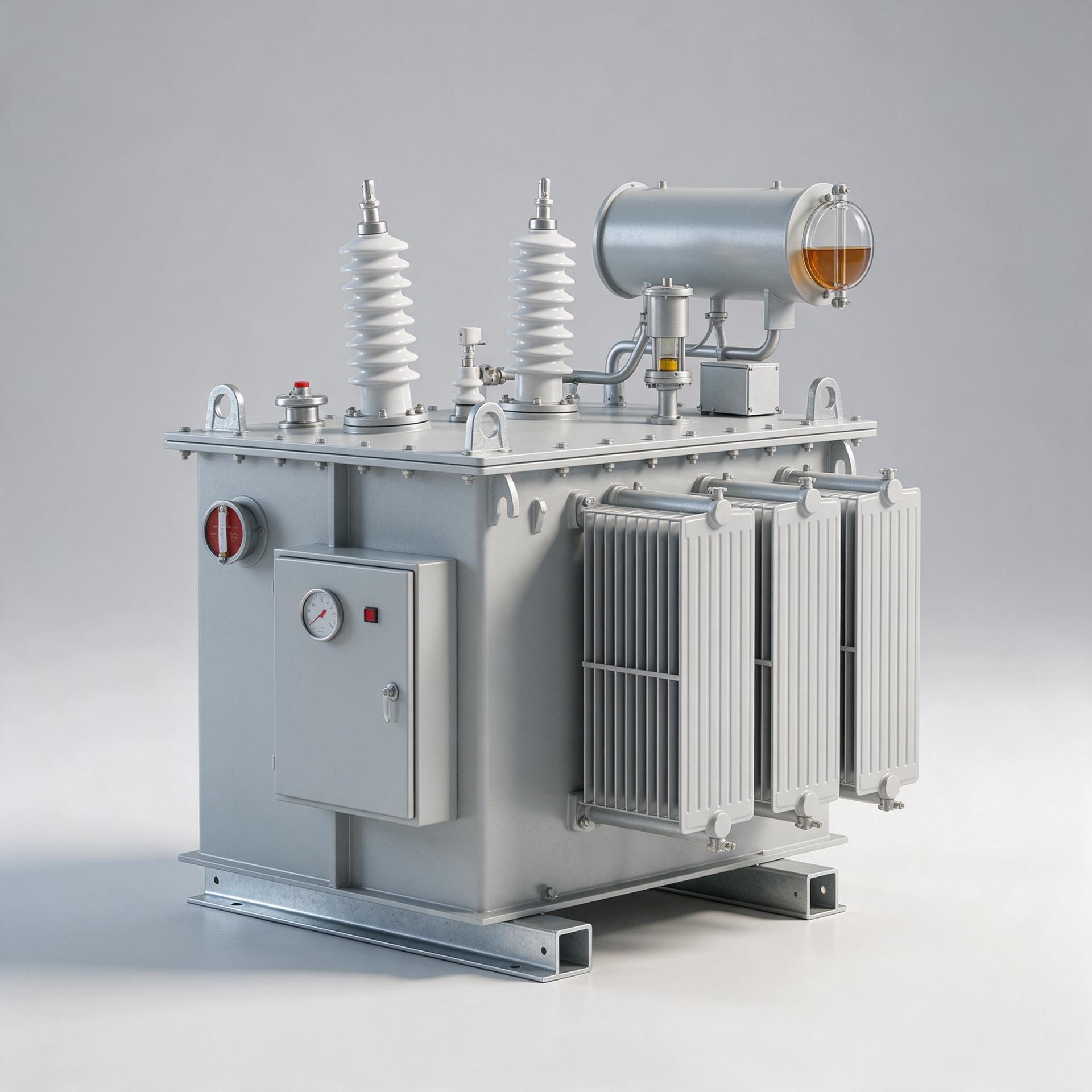
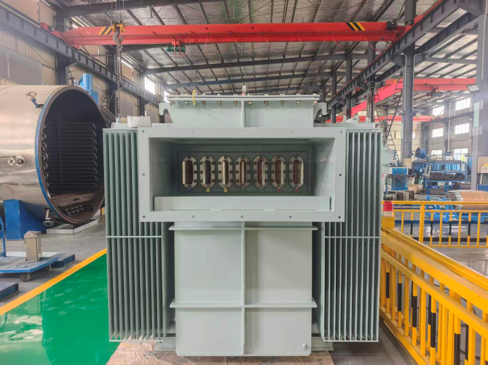
How much power must the plant send to the grid? Start with the inverter output and the expected load over the day. Treat the solar power transformer as part of the whole system, not as a stand-alone item. Ask the engineer to check the rated power and inverter range. Include any extra loads. Note whether the plan includes storage or a future plant expansion. These details help the team compare a proposed rating with the duties the equipment may see.
List the likely modes of operation, including periods when the plant is not producing power. The team can then check how the solar power transformer is energized. They can also assess losses. Ask for a clear statement of the assumed load profile. Do not treat a name in a catalog as proof that a unit fits the plant. Use a project-specific data sheet and an agreed technical schedule to confirm the selection.
Match Voltage and Grid Requirements
Check the inverter AC output voltage against the low-voltage side of the solar power transformer. Then check the collector network and the connection point on the high-voltage side. Frequency, voltage variation and the required tap arrangement also need review. Use values from the plant design and grid rules. Do not rely on a generic product title.
A single-line diagram gives all parties a common view of the plant. It can show the inverters, transformer, switchgear, meters and grid connection. Ask the team to check the winding connection and grounding. They should also check network protection. Review the fault study and local grid rules with qualified engineers. Check each proposed setting and connection against the rest of the system before approval.
Plan the Equipment Interfaces
Decide where the solar power transformer ends and the next package begins. The scope may involve cables, switchgear, protection devices and control signals. A written interface list can show who supplies each item and who makes each connection. It can also show when the plant team needs drawings or data from others.
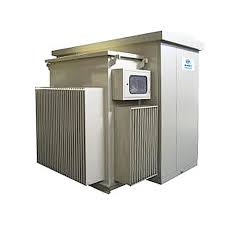
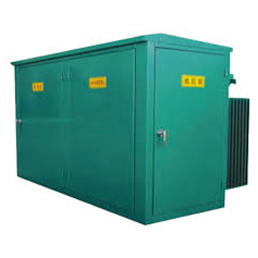
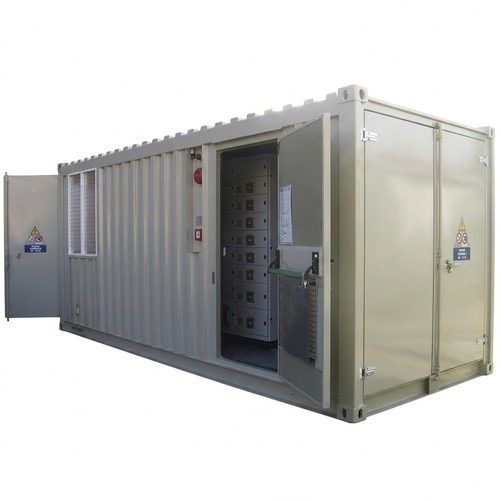
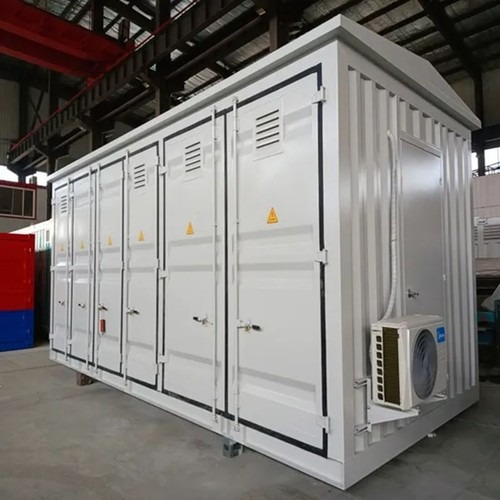
For example, a project may use a step-up unit near an inverter and a separate grid-connection substation. In that case, the teams should agree on cable entry and terminal positions. They should also define the equipment boundary. They should check the signals needed for protection and control. This is an illustrative setup, not a claim about a completed site. The actual layout and scope depend on the project.
Review Site and Access Conditions
Will the equipment be indoors or outdoors? Share the site temperature range, altitude and exposure to dust, salt or other pollution. Tell the design team about flooding risk and any local fire or environmental rules. These factors may affect the cover, cooling or other design choices. Do not assume a catalog solar power transformer has the right protection for a site.
Space is more than the footprint on a drawing. Allow for safe access, cable routes, ventilation and the means to move the unit into place. The installer should review the foundation and lifting plan. The owner should also plan how staff will reach the unit for checks and upkeep. Ask the relevant parties to settle these points before the layout is fixed.
Compare Offers on the Same Basis
Give each supplier the same project brief and ask for a clear list of included and excluded items. Compare the solar power transformer data with the approved system needs. Note any open questions about ratings, interfaces or local obligations. An offer for a solar power transformer alone is not the same as one for a full substation package.
Before ordering a solar power transformer, agree on the drawings, manuals and test records to be supplied. Check which tests are required by the project and when their results will be reviewed. Confirm the delivery scope and the party responsible for site work in the contract. A clear handover list helps the owner and installer know what to expect. It does not prove that a claim has been met.
 EN