Solar power installation duty and load
What must the plant send to the grid, and what must it supply on site? Start your review with the expected output of each inverter group. Note any on-site loads and periods when the plant may draw power from the grid. These duties are not all the same. For solar power installation, panel output alone is not enough to size the transformer. The unit must also match the current and apparent power at its terminals.
Give the design team the plant's output profile. Include its power factor needs. Note planned stages of growth as well as the first stage. Ask the engineer to check the required kVA or MVA. The check should cover the duty, site conditions and any reserve the project needs. More capacity is not always the best choice: an oversized unit can bring extra cost and no-load loss.
Losses matter over the life of the plant. Compare proposed no-load and load losses on the same duty basis. Ask for the conditions behind each value. Do not treat a catalogue claim as a project guarantee. The agreed technical schedule should state what applies to the offered unit.
Solar power installation voltage and insulation
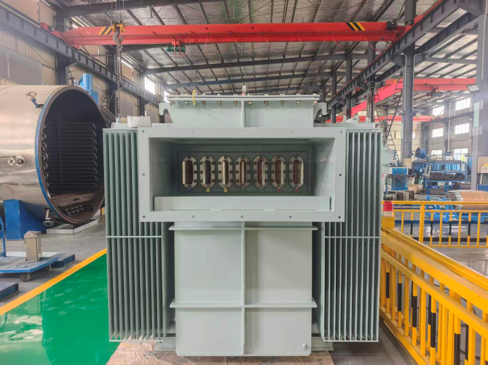
For solar power installation, trace the power path from inverter output to the collector network and the grid point. Record the voltage at each side of the proposed transformer. Record the frequency as well. Include the phase arrangement and any voltage range the utility requires. The PV transformer listing gives a range of input and output values, but each unit must be checked for the actual network.
Insulation level is a separate choice from the normal operating voltage. Ask the project engineer to confirm the required withstand levels and clearances with the network and applicable rules. The site may face surges. Switching events also need review. State the service conditions and the needed insulation basis in the inquiry rather than assuming that a voltage label alone is enough.
Review the vector group, grounding and tap needs with the system designer. These choices affect how the unit connects to the rest of the network. They should be shown in the approved single-line diagram and matched to the proposed equipment. A similar name or size does not make two units interchangeable.
Solar power installation site and physical interfaces
A solar power installation may place equipment outside near an array or inside a plant room. Mark the proposed location on the site plan. Note heat, dust, moisture, altitude and access limits. Confirm the enclosure and cooling needs for those conditions. For oil-filled units, review liquid containment with the local design team. Check the fire rules too. For dry units, review ventilation and enclosure needs.
Allow a clear path for delivery, lifting and later removal. Check that doors, cable routes and work areas fit the proposed outline drawing. The following checks help turn a site sketch into a useful equipment brief.
- Record the cable entry side, cable count and space for bends.
- Check the room or pad for operation and service access.
- Review the ventilation path and any local noise limits.
- Identify grounding points and the parties responsible for civil work.
These are planning checks, not installation instructions. Qualified local personnel should design and carry out the work under the applicable site rules. Do not energize equipment on the basis of this page.
Solar power installation grid interface and scope
At the grid point, the equipment must fit the wider protection and control scheme. Share the utility's connection requirements with the project team. Check fault levels and switching duties. Also review metering, control signals and any communication needs. Inverter harmonics and the direction of power flow should be part of the review. The engineer must decide what studies and approvals are needed for the site.
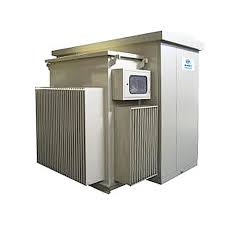
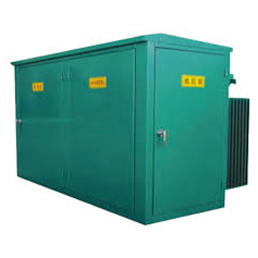
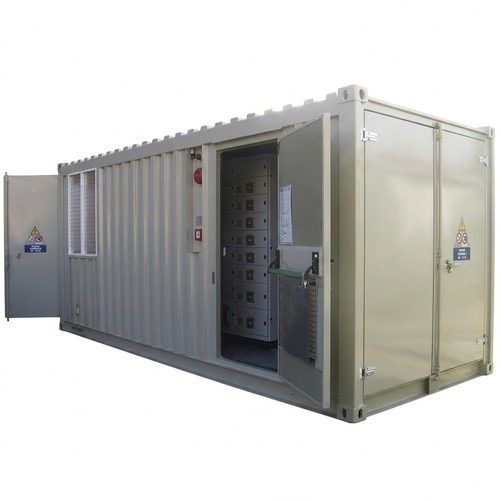
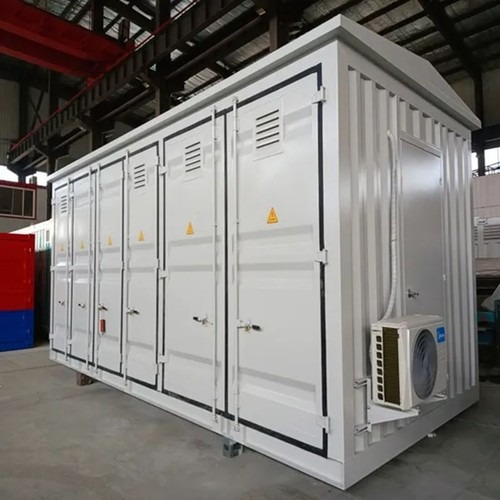
For a solar power installation using a package, make an equipment list with clear boundaries. The listed solar grid-connection package describes a possible scope. It may include a main transformer, switchgear, protection, metering and controls. It does not mean every item is included in every offer. Mark what the buyer supplies and what belongs to other contractors. Ask for a written scope and exclusions before comparing quotes.
For solar power installation, agree on the drawing and document list. A data sheet, outline drawing, connection diagram and test document schedule can help the parties check the proposed design. Confirm what will be supplied and when. The technical agreement, local approvals and final equipment data govern the project; this guide is a starting point for discussion.
 EN