Start With the Grid Voltage
What voltage does the grid team need on each side? A power transmission transformer is chosen for a whole network, not just a label on one side. Start with the normal source and load voltages. Note the highest and lowest values the system may see. Also give the grid frequency and the phase arrangement. A single line diagram helps show where the unit will sit and what it will connect to.
Next, ask the project engineer to define the required voltage ratio and tap range. Note how the neutral is earthed and which winding connection is needed. A voltage class in a product name is only an initial filter. It does not confirm the other winding voltage, tap steps or insulation level. Have the grid owner review the complete schedule before a unit is selected.
If the source figure is not yet known, mark it as open. Give the expected range and explain who will confirm it. This lets each party see which parts of the request are fixed and which may change. It also avoids treating an early assumption as a final grid requirement.
Match Capacity to the Load
The capacity of a power transmission transformer should reflect the load it must serve. Ask for a load study that covers the normal peak, changes through the day and any planned growth. Large motors, spare feeds and future plant stages can alter the duty. The engineer should also consider how long a peak lasts and what happens if one feed is out of service.
Use the same load case when comparing power transmission transformer bids. A unit with a different rating or cooling stage may not be a fair match. Ask each supplier to state the rating and the site conditions behind it. Where a rating depends on a cooling stage, record both together. Do not infer a suitable capacity from voltage alone.
Check losses as well as the purchase price. Ask for loss values on the same stated load and rating basis. The project team can then estimate the cost of energy over its chosen period. Treat this as a project calculation, not a claim that one listed unit will save a fixed amount.
Review Site and Cooling Needs
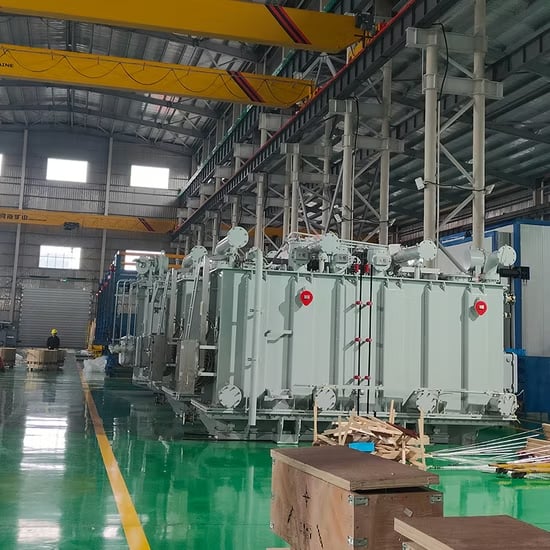
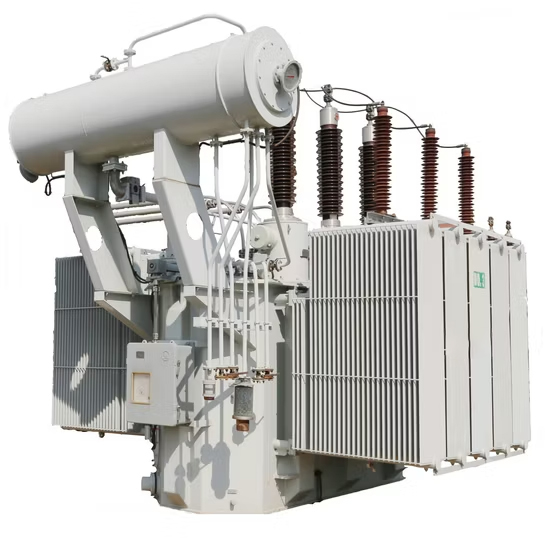
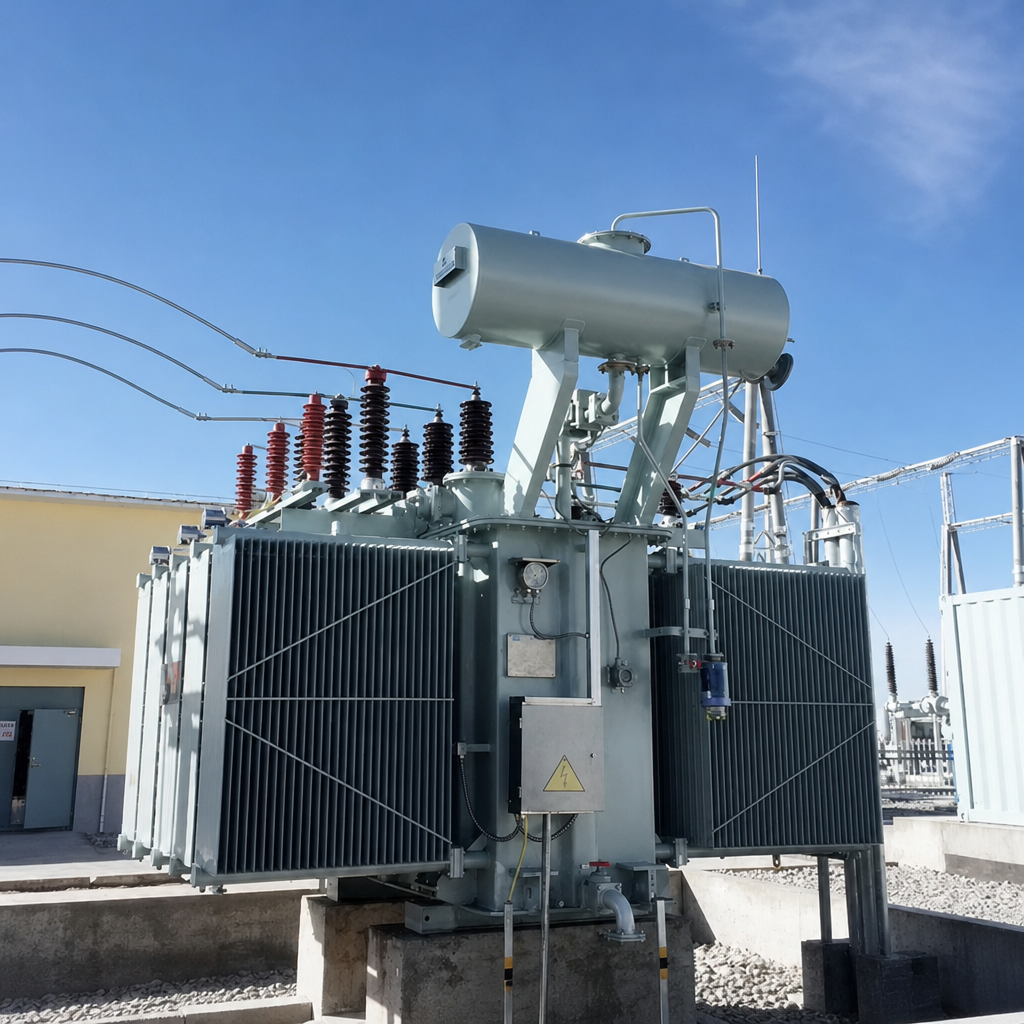
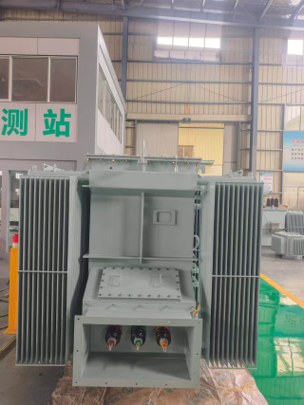
Will the power transmission transformer sit indoors or outdoors? Record ambient temperature, altitude, space, access and any limits on sound. These details help the engineer assess the cooling arrangement. Leave room in the plan for airflow and safe access to parts that need care. Confirm the layout with the site team rather than assuming a catalog image shows the final unit.
Discuss the cooling duty and the power needed by any fans or pumps that are proposed. Ask what happens when a cooling stage is not in use. The supplier should identify the arrangement offered for the stated load. Compare each quote against the same site data and note any points still to be agreed.
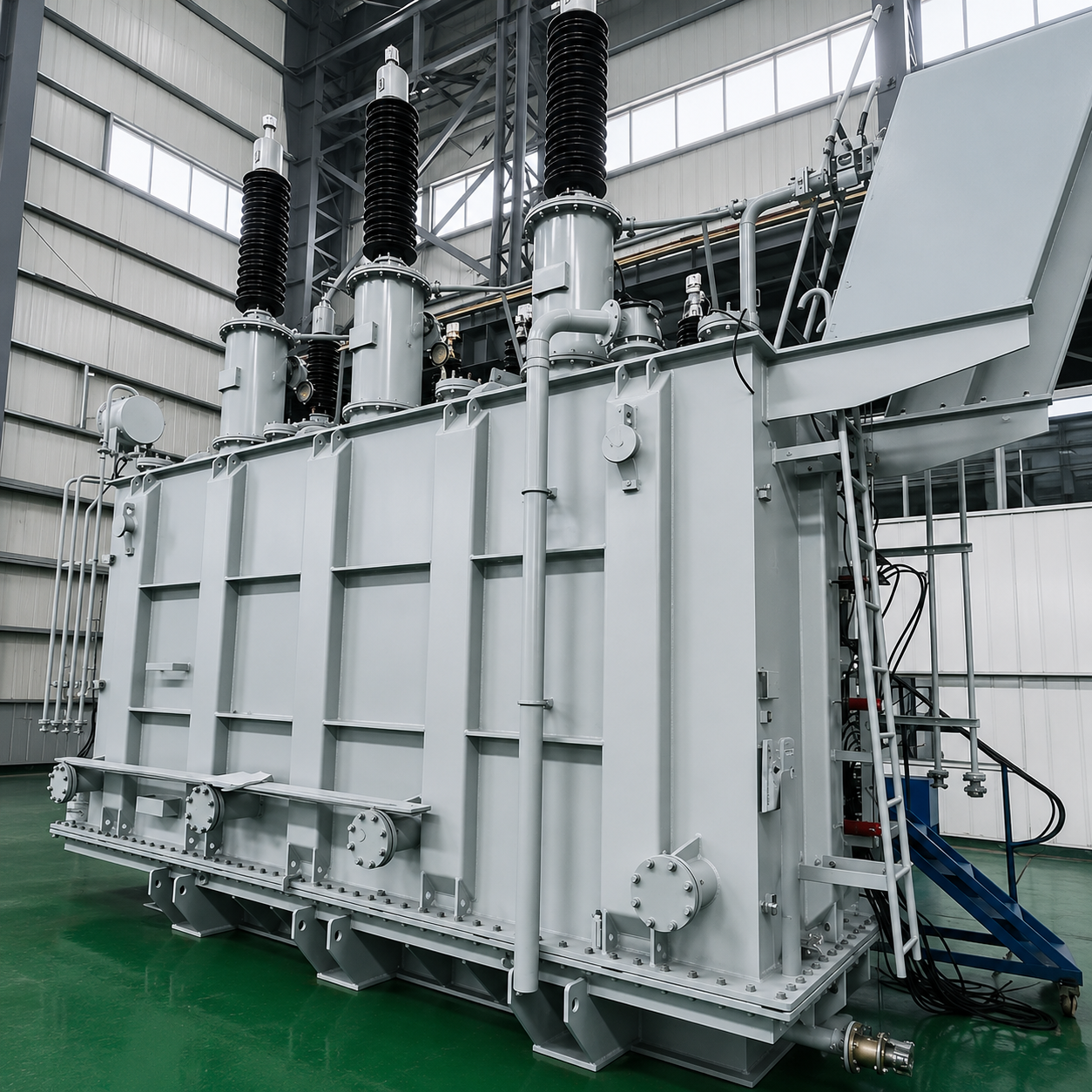
Also map the route for the power transmission transformer to the site. Road width, bridge limits and crane access can affect the size and mass that can be moved. Ask for an outline drawing and transport dimensions for the actual offer. The site team can use these to plan unloading and the path to the foundation.
Check Interfaces Before Approval
A power transmission transformer must work with the rest of the grid as a system. Give the engineer the fault level and protection scheme, then ask for the proposed impedance and insulation details. Review terminal positions, cable or bus connections, earthing points and control wiring. The grid owner and installer should agree how the transformer will connect to nearby equipment.
Set out the documents that the project needs. These may include a data sheet, outline drawing, loss schedule and a test plan. Agree which tests and reports are part of the offer; do not assume a test result before the unit has been tested. Keep a list of open points and the person who will close each one.
Before ordering a power transmission transformer, compare the offers line by line. Confirm scope, exclusions and any duties left to the buyer. Ask the project engineer to resolve gaps in the technical schedule. Once the network, load, site and interfaces agree, the team has a sound basis for the next procurement step.
 EN