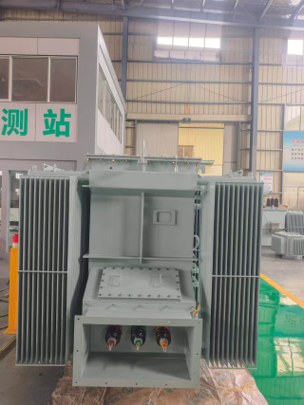
HV Transformers for Power Network Projects

+86-13911506505
All Categories

HV Transformers for Power Network Projects

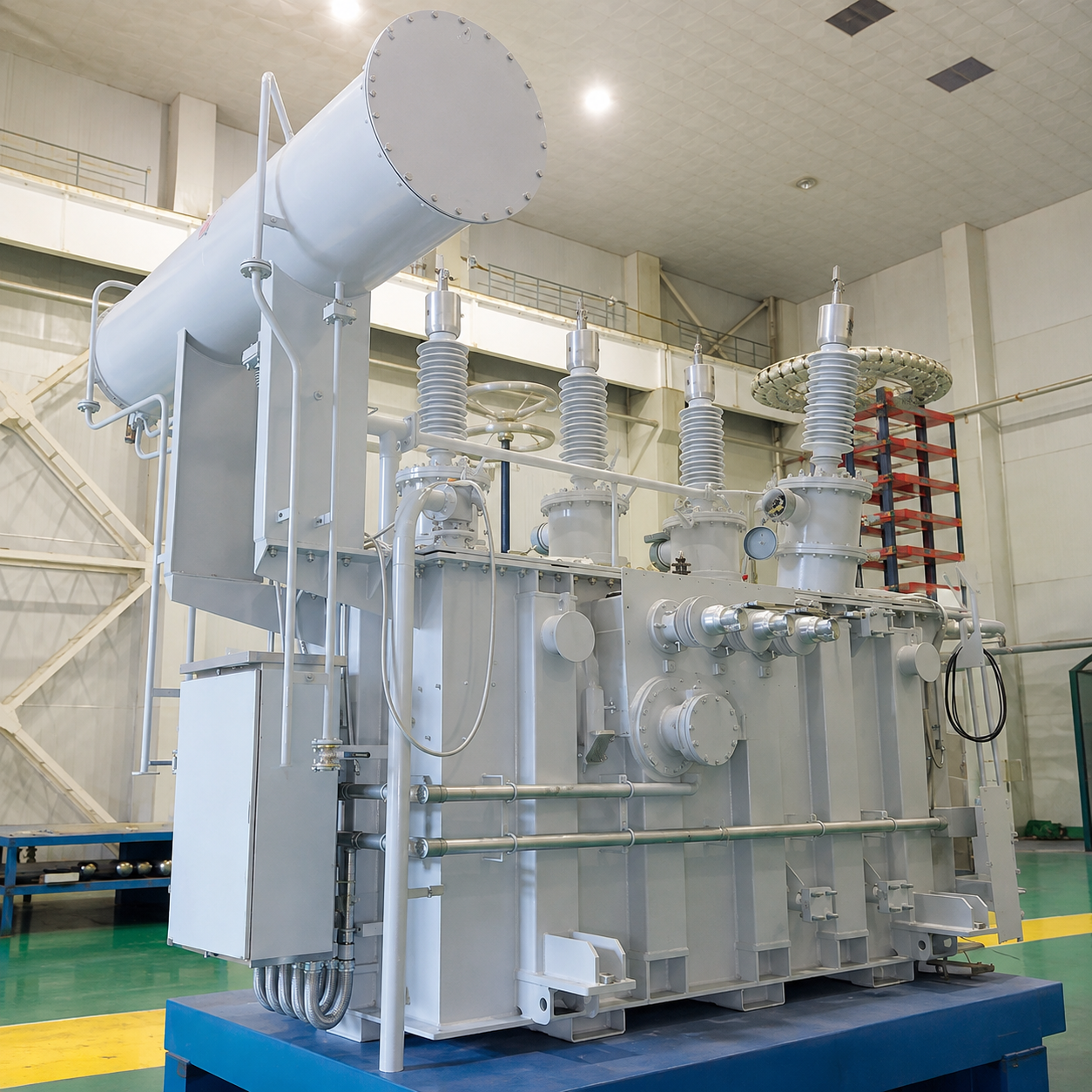
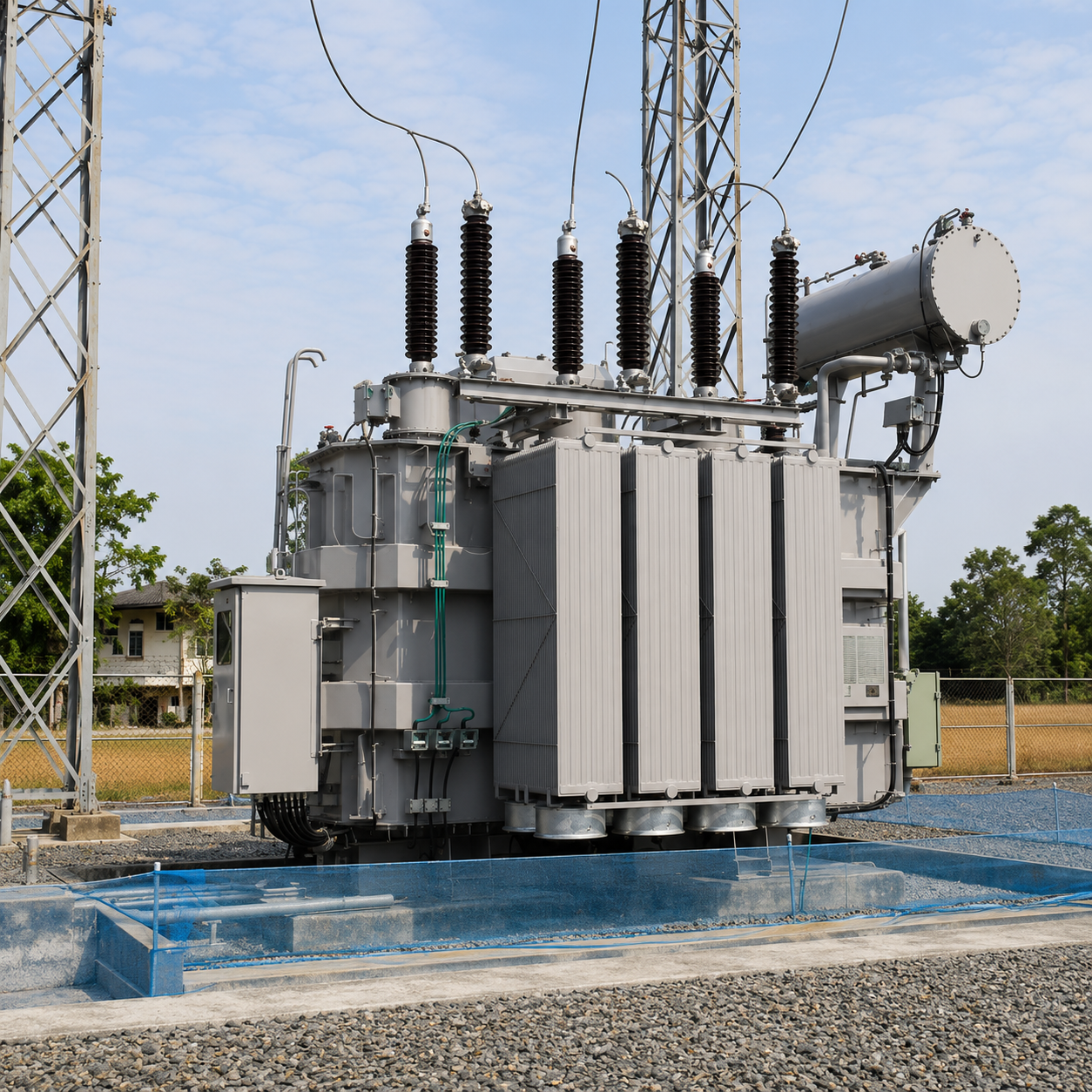
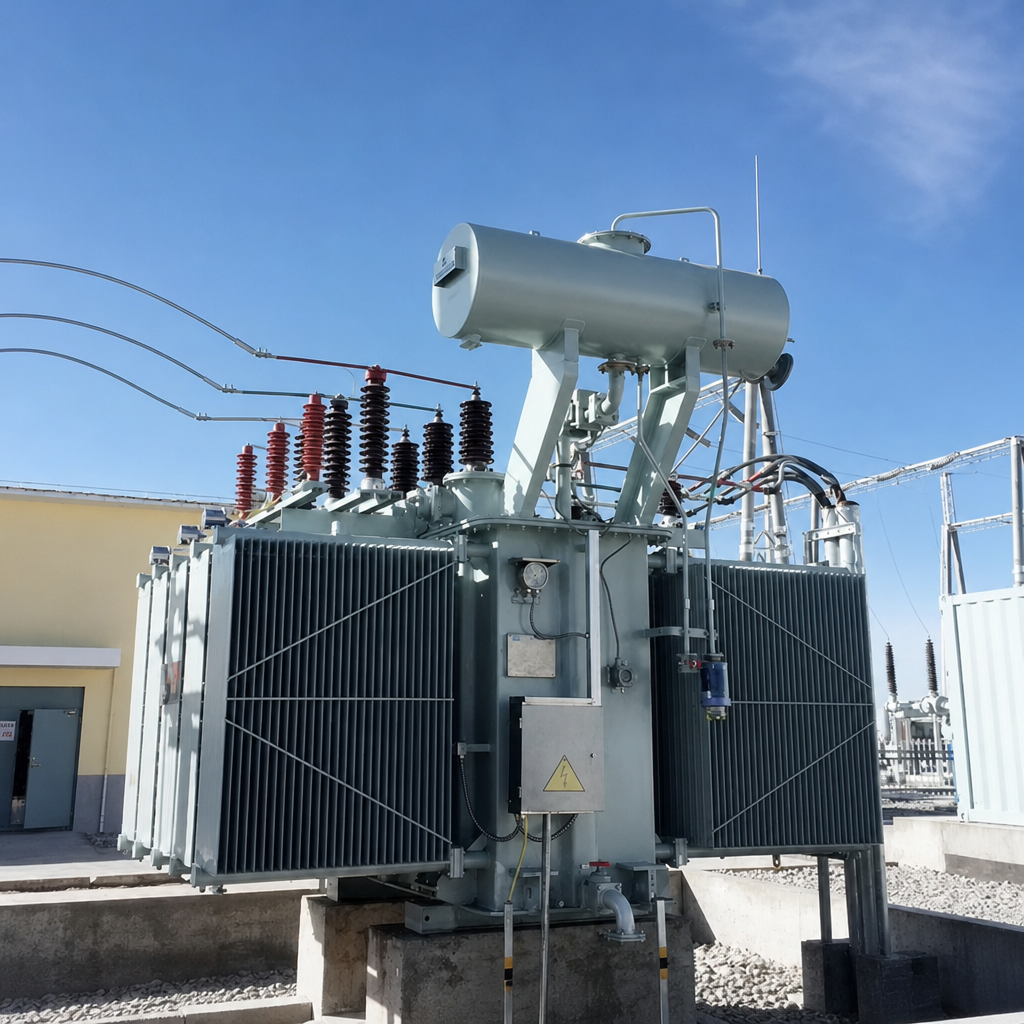
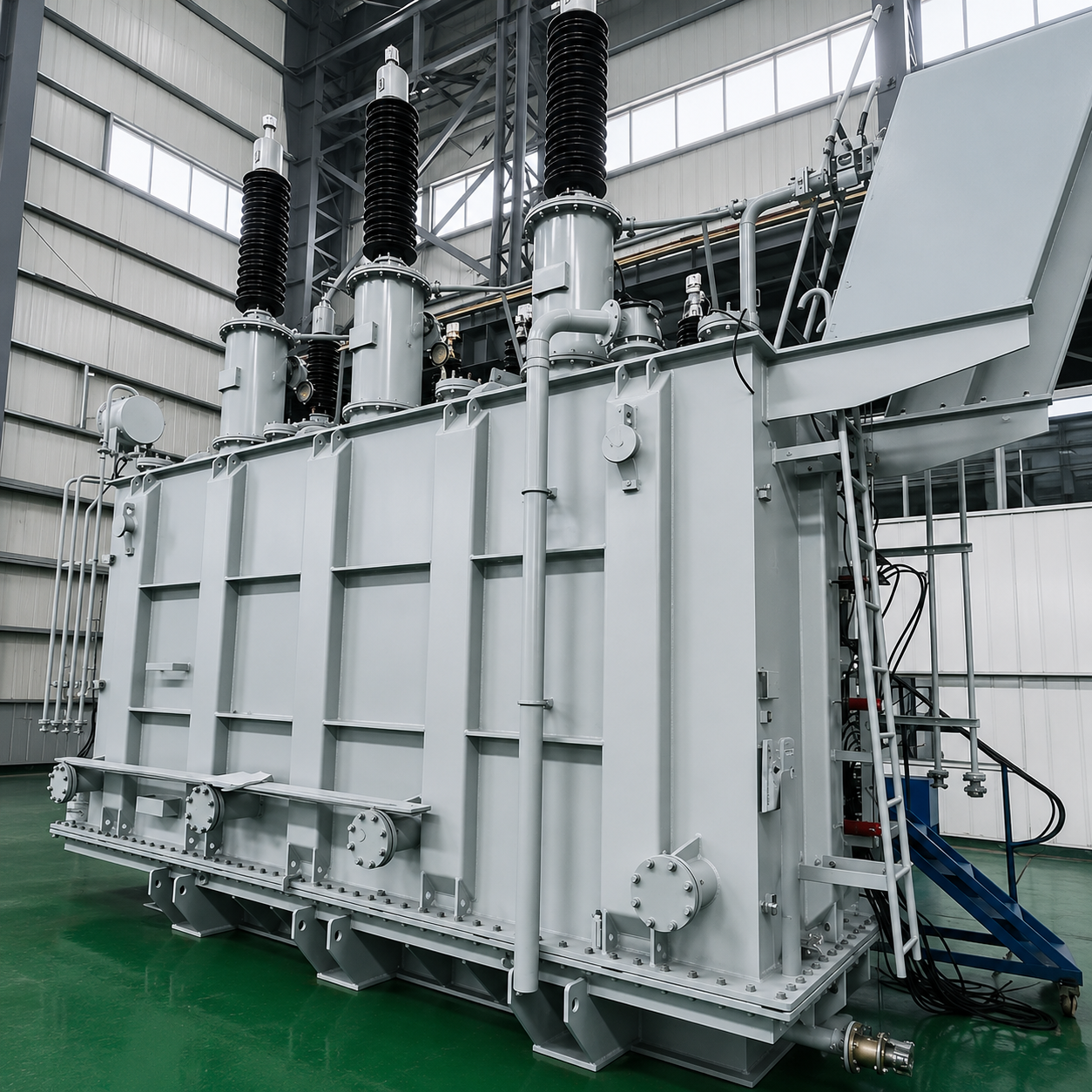
Explore hv transformers for power network projects with Apex Electrics. The selected range includes power transformers listed at 66–69 kV, 110–115 kV, 132–138 kV and 220–230 kV. These listings give buyers a starting point, not a final design or a promise that a unit fits their site. Power firms, engineering teams and equipment traders can use the range to compare options for grid, generation or industrial projects. Each project has its own network and site needs, so the title of a product alone is not enough to make a choice. Review the full project brief with qualified staff and request the current technical details for the specific unit. Contact Apex with your project information to discuss a suitable offer and receive a quotation. Final ratings and scope should be agreed in writing before an order is placed.
Get A Quote

Selected HV Transformers

Compare the listed voltage classes; confirm the full rating for your project.
Voltage Classes for Grid Work

Voltage Classes for Grid Work

The listed 66–69 kV unit is presented for regional grids, while the 132–138 kV listing covers transmission and generation links. These hv transformers are starting points for discussion, not proof of fit at a given site. A project team should check the full data sheet and agreed design for the intended duty before making a selection.

Start with the load and operating duty

How much power must hv transformers carry, and for how long? Begin with the load profile, not just the peak number. Note normal demand, expected peaks and any known changes over the life of the project. HV transformers that meet a brief peak on paper may not suit a long spell of high demand. Share the duty cycle and any required reserve with the design team. They can assess the rating and cooling duty together rather than treating them as separate choices.

State the frequency and the rated power required for each winding. If a project has more than one operating mode, list each mode in the brief. Explain whether units will run in parallel or whether one unit acts as a reserve. The team can then check how the rating of hv transformers fits the network plan. Do not assume that a range in a catalogue is a rating for every possible design. Ask for a project-specific schedule and review its terms.

Match both sides of the network

Record the required voltage on each side of the hv transformers. Show where they sit in the network. The voltage in a product name is a useful first filter, but it does not specify the whole voltage ratio. Also state the system frequency, connection group and earthing method. The grid owner and an engineer should agree these details before the design is fixed. A clear single-line diagram can make missing interfaces easier to spot.

Voltage can vary as the load and network conditions change. Tell the supplier the expected range and the regulation scheme required by the project. For hv transformers, ask which tap arrangement is proposed and how its range relates to your network study. The team should also review insulation, fault levels and impedance for the actual system. These values must be coordinated; a label alone cannot confirm that the unit will work with the rest of the network.

Plan for site conditions and layout

Where will the hv transformers operate? Record the site altitude and the highest and lowest ambient temperatures in the project brief. If the site is high, ask the design team how altitude affects insulation and cooling. Do not apply a generic correction or assume that a standard rating remains valid. Dust, salt, moisture and local access rules may also affect the final arrangement. Share the site data early enough for the supplier and engineer to review it.

For hv transformers, space is more than the footprint of the tank. Allow for the approved electrical clearances, air flow and safe access for inspection. Check the route from the point of arrival to the foundation, including bridge and road limits. Check the weight and size of the hv transformers against that route. For a hypothetical site, a layout review might reveal a narrow gate before the order is placed. This is an example of a check, not a claim about a completed project.

Agree the interfaces and records

Before ordering hv transformers, map their links to switchgear, protection and controls. Identify the expected terminal positions and cable or busbar interfaces. The project engineer should review drawings and ensure that the protection scheme suits the system. This page is not an installation procedure. Only qualified people should plan, install, test and energize high-voltage equipment. They must follow local rules.

Ask for a written technical offer that sets out the proposed ratings, drawings, test scope and any exceptions to the inquiry. Review loss and sound limits if the project specifies them. Agree which records will be supplied and which checks require witness or approval. Compare offers on the same project basis, and resolve open points before signing. The final technical agreement should define the hv transformers being ordered. A general catalogue entry cannot do that.

HV Transformer Buying Questions

Practical questions to review before requesting an offer.

What details should go into an HV inquiry?

For hv transformers, start with a clear project brief and a single-line diagram if one is available. Include the required power, frequency and voltage on each side, plus the load profile and expected operating modes. Add the site altitude, ambient conditions and any transport limits. Set out the required connection group, earthing, impedance and test scope if known. Mark any details that still need a design review. This gives the supplier a basis for an offer without treating an early catalogue listing as a final specification.
A qualified engineer should review the site plan for hv transformers along with the grid owner, installer and other parties responsible for the work. They need to check foundations, clearances, access, protection interfaces and the relevant local rules. Transport and lifting teams may also need to assess the route and handling plan. The exact responsibilities depend on the contract and location. A catalogue page is not a substitute for an approved design or safe work procedure, and it does not authorize work on live equipment.
Request a technical offer for hv transformers based on the actual duty, not just a general brochure. It should identify the proposed ratings, main dimensions, interfaces and any differences from the inquiry. Ask what drawings, test records and operating documents are included, then agree the review and acceptance process. If loss, sound or other limits matter to the project, put them in the written specification. Confirm the commercial terms separately. Any open point should be resolved in the final agreement before the order is placed.

Further Reading on Grid Voltage

Explore the selected guide for another view of how network needs shape a specification for hv transformers. Use it alongside the project data and the advice of your qualified engineering team.
Matching Transformer Voltage and Grid Requirements APEX TECHNOLOGIES | Transformer Buying Guide

03

Nov

Matching Transformer Voltage and Grid Requirements APEX TECHNOLOGIES | Transformer Buying Guide

View More

Get a Free Quote

Our representative will contact you soon.
Email
Mobile/whatsapp
Name
Company Name
Message
0/1000

Related Transformer Topics

Get a Free Quote

Our representative will contact you soon.
Email
Mobile/whatsapp
Name
Company Name
Message
0/1000