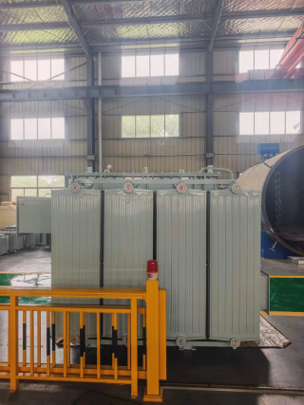
HV Power Transformer Network Fit
What must the new hv power transformer connect to? Begin with a single-line diagram, which shows the main parts of the network and their links. Mark the source side and the load side. Record the voltage on each side and the system frequency. An hv power transformer must match both ends of that link, not just the number in a product name.
Share the earthing method and the required winding connection with the design team. The vector group describes how the windings are connected and how their phase angles relate. It matters when the unit works with other network equipment. If the site has an existing unit, do not assume its details are right for the new design. Check the latest network study and the intended way the system will run.
Also identify the limits set by the grid owner. These may include voltage variation, insulation levels and fault duty. The system engineer should review them with the supplier. A clear list of open points is more useful than a guessed rating. Keep the project drawing and the quote request aligned as the design changes.
HV Power Transformer Load and Rating
Start with the real load and its expected growth, rather than the label on an old hv power transformer. List the normal load, peak load and the times at which peaks occur. Note any planned plant expansion or change in use. MVA means megavolt amperes and expresses apparent power. It is one way to state transformer capacity, but it is not the whole design brief.
Ask the engineer to assess load duty, margins and any spare unit plan. If the site needs units to run in parallel, raise that need early. Their ratios, impedances and other key data must be reviewed together. Do not select an hv power transformer solely on MVA. The chosen capacity must be considered along with site heat, cooling and the way loads vary over time.
For a hypothetical plant that may add a new line, show both the present load and the future case. State when the extra load is expected and whether both cases need to be served. That helps the parties review choices without treating a forecast as a firm order. Ask for any design assumptions to be stated in the offer.
HV Power Transformer Protection Interfaces
An hv power transformer sits within a wider system of breakers, relays and conductors. Impedance is a transformer property that affects fault current and voltage drop. Ask the system team to check the proposed value against the fault study. Protection settings and current transformer interfaces also need review. These checks belong to the project engineer and grid operator, not to a catalog title.
Describe the planned high and low voltage connections. The team may need drawings for bushings, cables or busbars, plus space for safe access. Record the neutral and earth connections as part of the interface list. Agree which party supplies each part and where its scope ends. This makes it easier to spot gaps between the transformer, switchgear and civil work.
When comparing an hv power transformer offer, ask for a clear list of interface data and exceptions. A bid that leaves an item open is not necessarily unsuitable, but that point needs an owner and a due date. Review the final data with the project protection team before the design is frozen.
HV Power Transformer Site and Delivery
Site conditions affect the hv power transformer design brief. Give the expected ambient temperature, altitude and indoor or outdoor location. Note limits on sound and any local rules that apply. For liquid-filled equipment, ask the site team to review fire and spill provisions. The right measures depend on the fluid, the layout and local rules; this page does not replace a site safety review.
Check the route before final selection. A hypothetical project may have a low bridge or a narrow gate, even when the pad itself has enough room. Share weight and size limits for roads, lifts and the final position. Ask whether parts need to ship separately and who would fit them at the site. Also allow access for inspection and future service.
Close the request with a list of documents and tests the buyer needs. Ask for an outline drawing, a technical schedule and a clear test scope in the offer. Confirm the terms, scope and dates in writing. This gives each party a common basis for review before an hv power transformer is ordered.
 EN