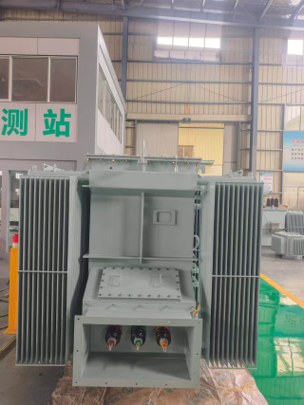
Start With Load and Duty
When selecting high voltage power transformers, begin with the system rather than the device. Set out the present load, expected growth and the way the load changes through the day. Note whether the unit will run on its own or share a bus with another unit. A single peak figure does not describe the whole duty. The team should check the load profile. It can then agree on a rating for normal use and for any planned outage.
Take a plant with room for one new unit as an example. The team can compare today’s load with a plan for later growth. The example is not a delivered project. It shows why the review should cover spare capacity, outages and the cost of losses. Ask for loss figures for the proposed design and assess them over the expected load cycle. A lower purchase price alone does not describe the full cost of use.
Match the Network on Both Sides
For high voltage power transformers, record the source and load voltages, system frequency and direction of power flow. State whether the voltage values are line to line and identify the normal range of the supply. A transformer changes voltage, not frequency. The name of a voltage class is not enough to define the winding ratio, the insulation level or the tap range.
Include the required winding connections, phase shift and neutral arrangement. For work beside an existing unit, check the ratio, tap positions and impedance. Do this before a plan for shared use. Agree the highest system voltage and required withstand levels with the utility or project engineer. Do not assume that two units can run in parallel just because their names show the same voltage.
- Supply a current single line diagram for the network review.
- State the required voltage range and planned tap duty.
- Identify any existing unit that will share the same bus.
Check Fault Duty and Protection
For high voltage power transformers, impedance affects both voltage drop and fault current. A lower value is not always the best choice: it may raise the duty on nearby switchgear. A higher value can affect voltage at the load. The right value depends on the network study, the load and the limits set for the project. The team should define the fault level at the connection and check the proposed unit against that study.
Review the earthing scheme and how protection will sense a fault. The neutral terminal alone does not define the way a system is earthed. Provide the control team with the expected alarm and trip signals as well as the related drawings. Qualified staff should handle protection settings and switching work. They must follow site rules, not a catalog title.
Plan the Site and Cable Interfaces
For high voltage power transformers, mark the route from each terminal to the cable or bus connection. A tight cable entry space can constrain bend radius, access and clearances. Ask for an outline drawing of the proposed unit and allow room for the cable box, terminations and safe work. Check the foundation, lifting path and transport envelope before the layout is fixed.
Indoor and outdoor sites call for different reviews. State the ambient conditions, altitude, drainage and any local fire or oil containment rules. Check where heat can leave the unit and whether staff can reach service points. If a cooling stage needs power or controls, include those interfaces in the project plan. Compare any options against the actual site rather than assuming one arrangement fits all jobs.
Agree the Technical Schedule
Keep open items for high voltage power transformers visible through the bid process. The purchaser can list the required drawing set, loss limits, sound limits and test scope in the inquiry. Ask each supplier to identify any departure from the specification. Compare offers on the same basis, including any work that is outside the quoted scope.
Before ordering high voltage power transformers, ask the engineers to review the rating and layout. They should check the interfaces as part of that same review. Confirm the documents and tests to be supplied for that unit. A catalog page can guide the first shortlist, but it cannot replace the approved network study, site design or technical agreement.
 EN