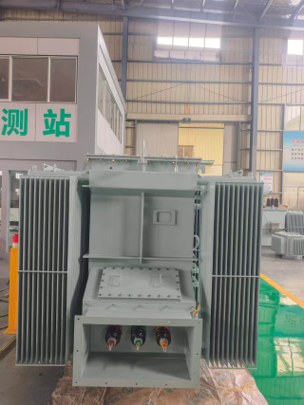
Start at the Network Boundary
A high tension unit is not a single fixed design. In this guide the term refers to a power transformer for a high voltage network. It may be part of a grid link or an industrial supply scheme. First define where the high tension unit will sit and which side connects to each network. A single line diagram can make that boundary clear. It also shows other equipment that must work with the transformer.
Note the required high and low side voltages, frequency and phase arrangement. A high tension unit name that matches one voltage alone does not prove that both sides fit. Ask the project engineer to check the ratio, tap needs and connection group against the network data. Check how the neutral is handled as well. If the system voltage can vary, share the expected range rather than just a single nominal value.
Protection and insulation must be reviewed as part of the system. Provide the fault level and earthing method when known. The project engineer can then assess the high tension unit and its links to the rest of the site. Do not treat a catalog title as an approved design or a substitute for the system study.
High Tension Unit Load and Duty
Start with the real load and its likely growth, not just the label on an old unit. List normal demand, peak demand and any planned changes. Note when large loads start and whether the load runs all day or only in shifts. The duty can affect the rating and cooling review for the high tension unit. If the site has future spare needs, explain them as a project goal rather than assuming extra capacity is free.
For a high tension unit, compare the proposed rating with the load profile and operating conditions. A unit at the same rating can still differ in losses, sound, tap arrangement or cooling. State which limits matter to the project. Ask for the values and conditions that apply to the offered high tension unit. This makes later bids easier to compare on the same basis.
Where a standby unit or parallel operation is planned, give the project team the details of the other equipment. The engineer should check how each high tension unit will share load and how protection will work. A rating on its own cannot answer that question.
High Tension Unit Site Limits
Space and access shape the high tension unit choice as much as the network does. Record the site layout, mounting area and route from the delivery point. Check width, height and weight limits along that route. A bridge, gate or lift point may limit the size of the load. If parts must ship apart, agree on the assembly scope and handling plan before placing an order.
Share ambient temperature, altitude and the planned indoor or outdoor location. Include any local limits for noise, fire safety and access. These are site requirements to be checked by qualified staff, not proof of a given product feature. The cooling arrangement and space around the high tension unit should be reviewed against the actual layout and offered design.
Also check cable and bushing positions, clearances, earthing points and access for service. Ask for an outline drawing of the proposed high tension unit. Compare that drawing with the site plan before final approval. A suitable electrical rating does not by itself mean the equipment will fit the available space.
High Tension Unit Quote Scope
Give each bidder the same project brief so that offers can be compared fairly. Include the high tension unit system data, load duty, site limits and the tests or documents required by the project. Say which values are fixed and which are still under review. A clear list of open points helps prevent a tentative choice from being treated as final.
- Share the high tension unit network diagram and the required voltage ratio with the project team.
- Provide the load profile and any expected changes in demand.
- State site access limits and the required delivery location.
- Ask for the high tension unit scope, drawings and agreed test documents.
Review the final high tension unit offer with the responsible engineer. Confirm the rating, interfaces, site conditions and scope in the technical schedule. Installation, energisation and service should be planned by qualified personnel under local rules. This review is the step that turns a catalog search into a project specific choice.
 EN