Set the network boundary first
When a team seeks a high efficiency core unit, it should first define where the transformer sits in the network. List the supply and output voltages, frequency and the required phase arrangement. Note how the unit will connect to the rest of the system. An engineer can then check the voltage ratio, tap range and insulation needs against the network study. These checks help prevent a low-loss choice from being judged in isolation.
The catalog includes power and distribution equipment at different voltage levels. A title alone does not make one unit a substitute for another. For a proposed site, ask which model is suitable for the network and which details are still subject to design. Record the same basis for each offer so that the comparison remains fair. Keep the grid owner's requirements alongside the project data.
Match the load and future duty
Start a high efficiency core unit review with the expected load rather than a nameplate alone. A site may have a steady base load, a peak that occurs only at certain times or an expansion planned for later. A simple load profile gives the engineer a clearer view of the duty. Share it when discussing a high efficiency core unit so each offer uses the same demand profile. Include any large motors or other loads that may affect the design, and identify the periods when equipment stays energized without much load.
For a hypothetical factory expansion, collect current demand and the planned extra demand before choosing a rating. Do not assume that the largest unit is the best fit. Ask how each proposed capacity would serve the present and future load, and confirm the limits and assumptions in writing. Capacity, impedance and cooling should be reviewed together with the system requirements.
Compare losses on the same basis
Core loss is commonly discussed as no-load loss. It matters when a unit remains energized, even with little load. Load loss changes with the duty placed on the transformer. For a high efficiency core unit, ask for both values along with the test conditions and any tolerances. A high efficiency core unit label cannot show how each loss component affects the project.
To compare a high efficiency core unit with another offer, use the same load profile, service period and energy price assumptions. Consider purchase cost and expected loss cost together. Do not treat an estimate as a measured result. Ask the supplier to explain the basis for each figure and to state which values would be part of the agreed specification. Where a project has loss limits, include them in the request rather than relying on a broad product claim.
- Ask for no-load loss and load loss as separate values.
- Use the same operating assumptions for each bid.
- Record the test basis and the proposed acceptance limits.
Check the site and document the choice
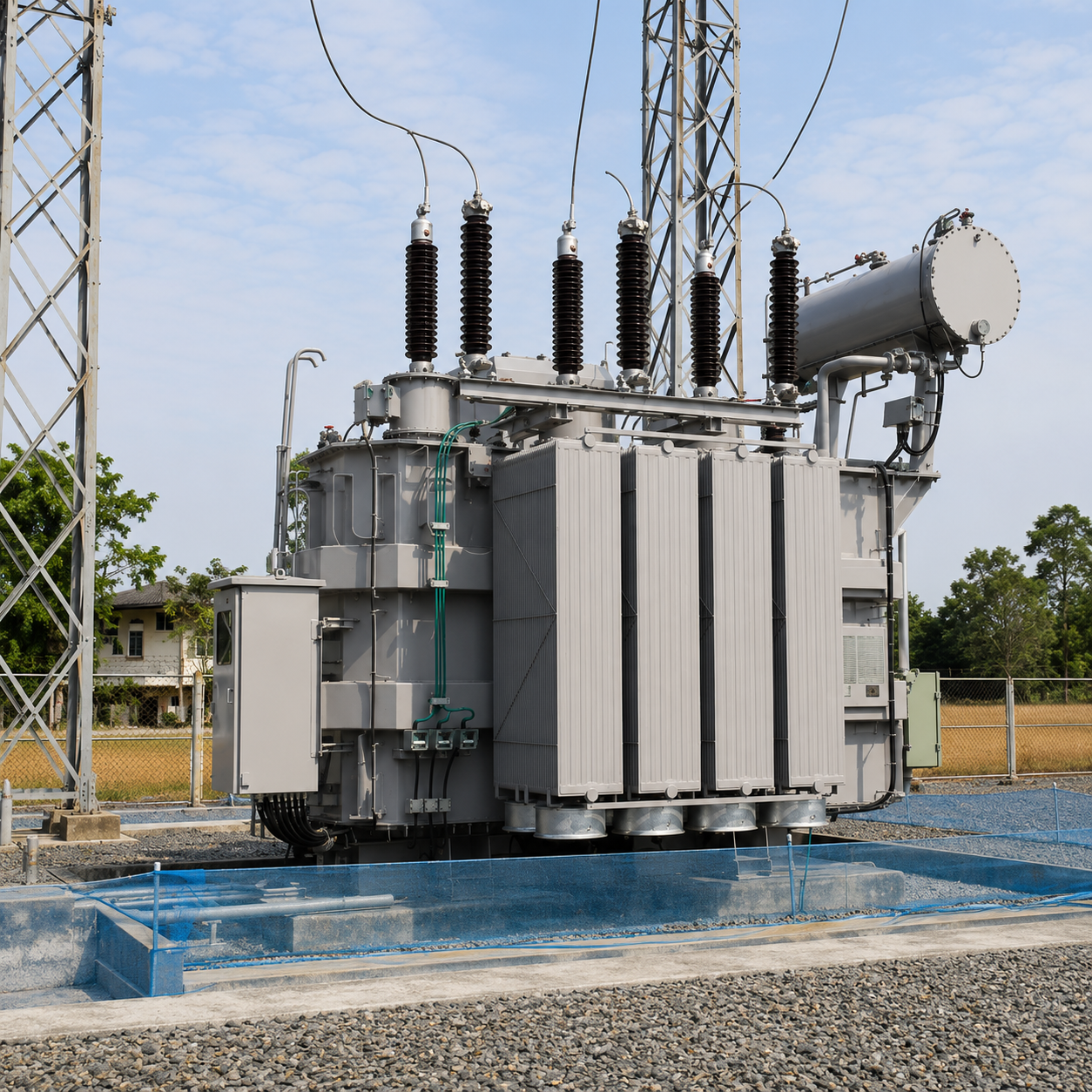
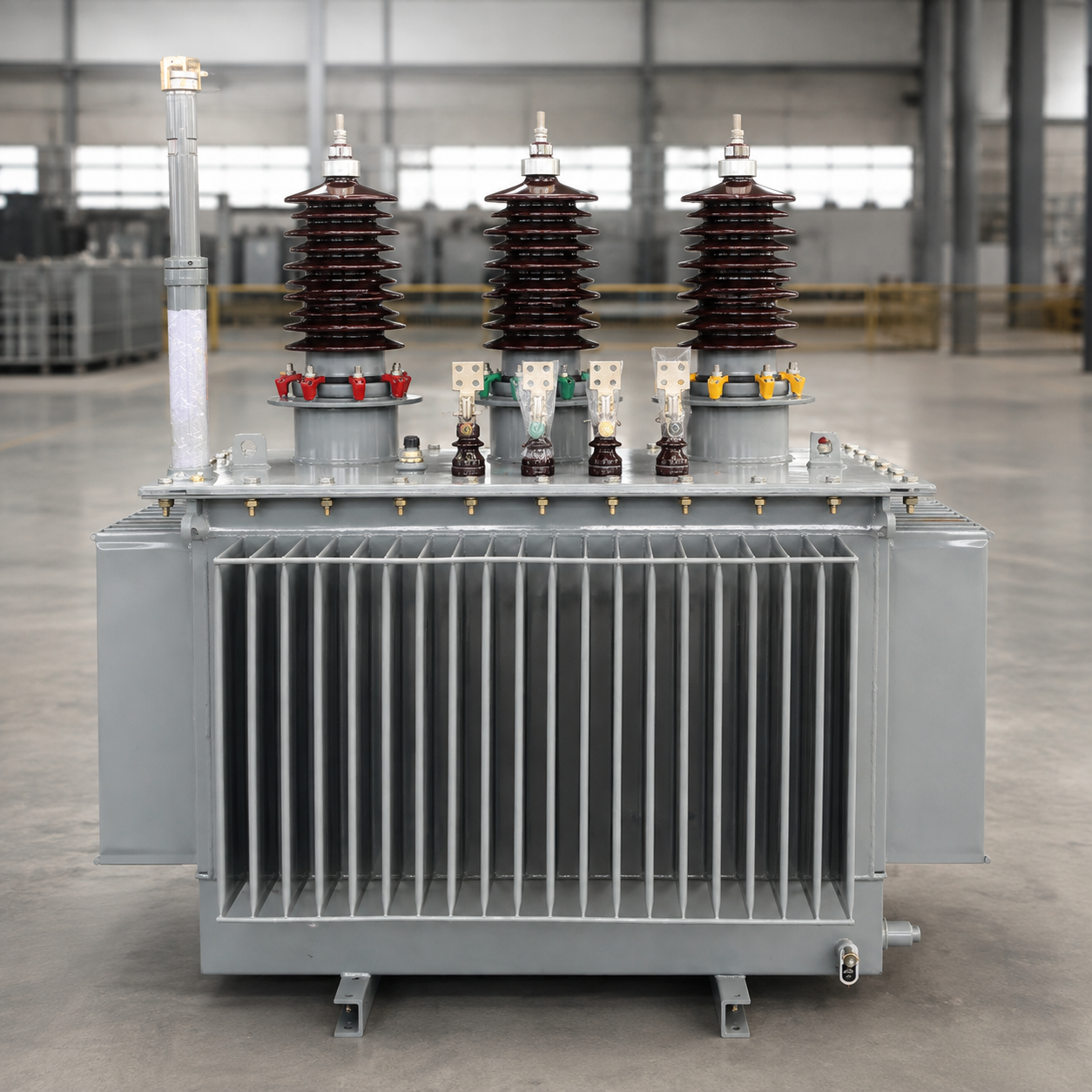
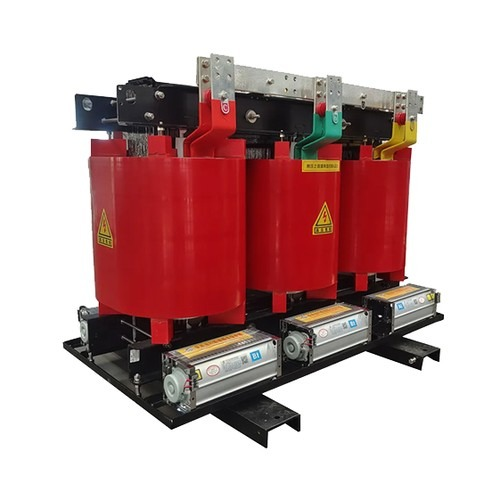
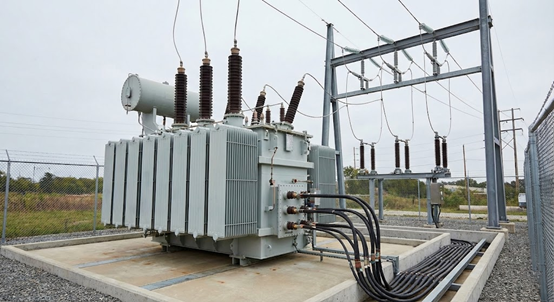
For a high efficiency core unit, indoor space, ambient heat and access can affect the choice of transformer and its cooling plan. The catalog includes oil-immersed and cast resin dry-type equipment, but each project needs its own review. The local rules, ventilation path and maintenance access should be checked before a layout is fixed. For an outdoor unit, also record the site exposure and the space around the equipment.
Work with a qualified engineer on the interface to the rest of the system. Confirm the required protection, clearances, terminals and earthing for the actual design. Check the route to the site and any limits on handling or transport. These details can affect the outline and the scope of supply. They should not be inferred from a catalog image.
Before a high efficiency core unit quote is finalized, gather the network data, load profile, site conditions and loss limits in one schedule. Ask for a clear list of included items and items to be agreed. Review the proposed drawings and test scope against that schedule. This gives the buyer a basis for choosing a high efficiency core unit without assuming that a listed product meets every need.
 EN