Start with the load, not the label
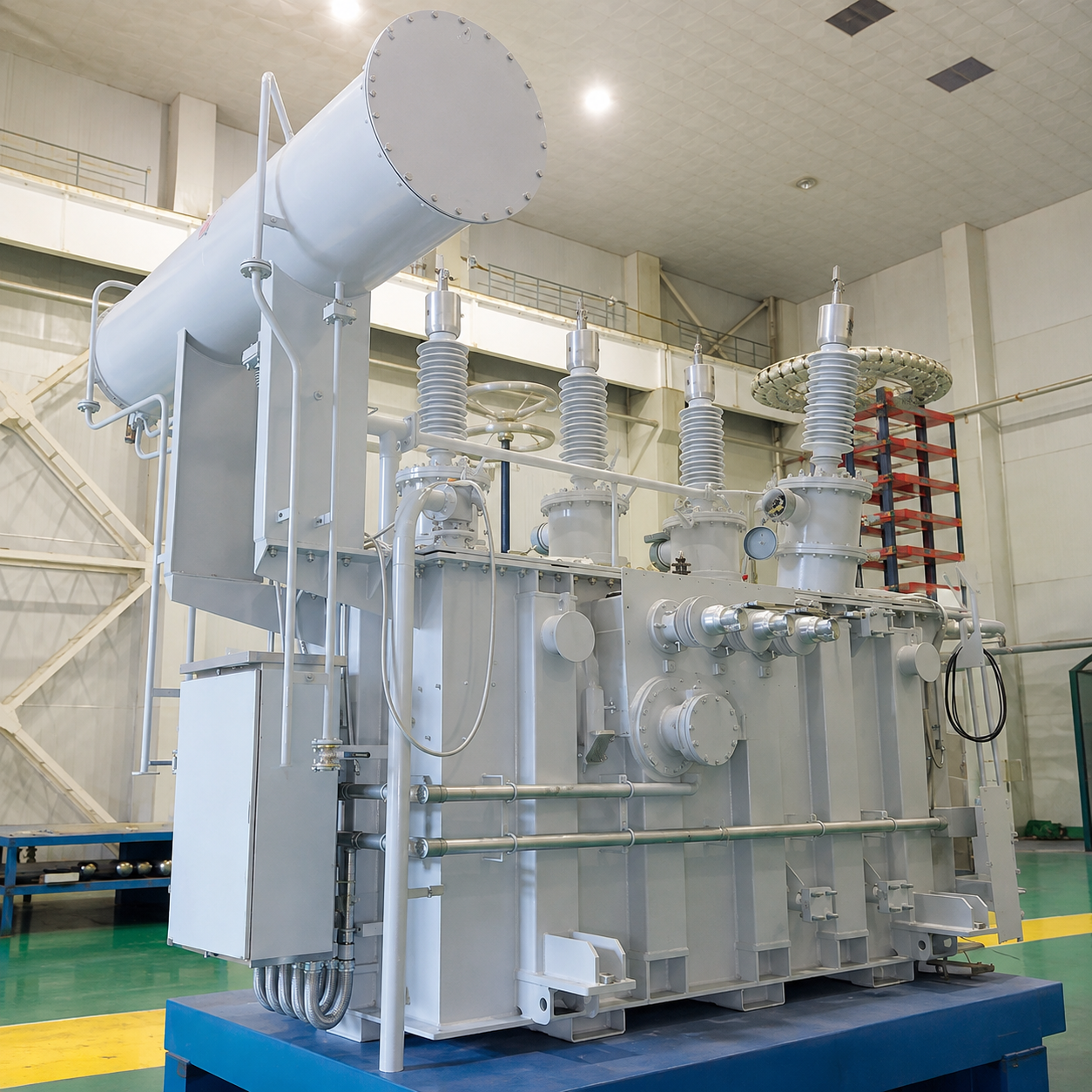
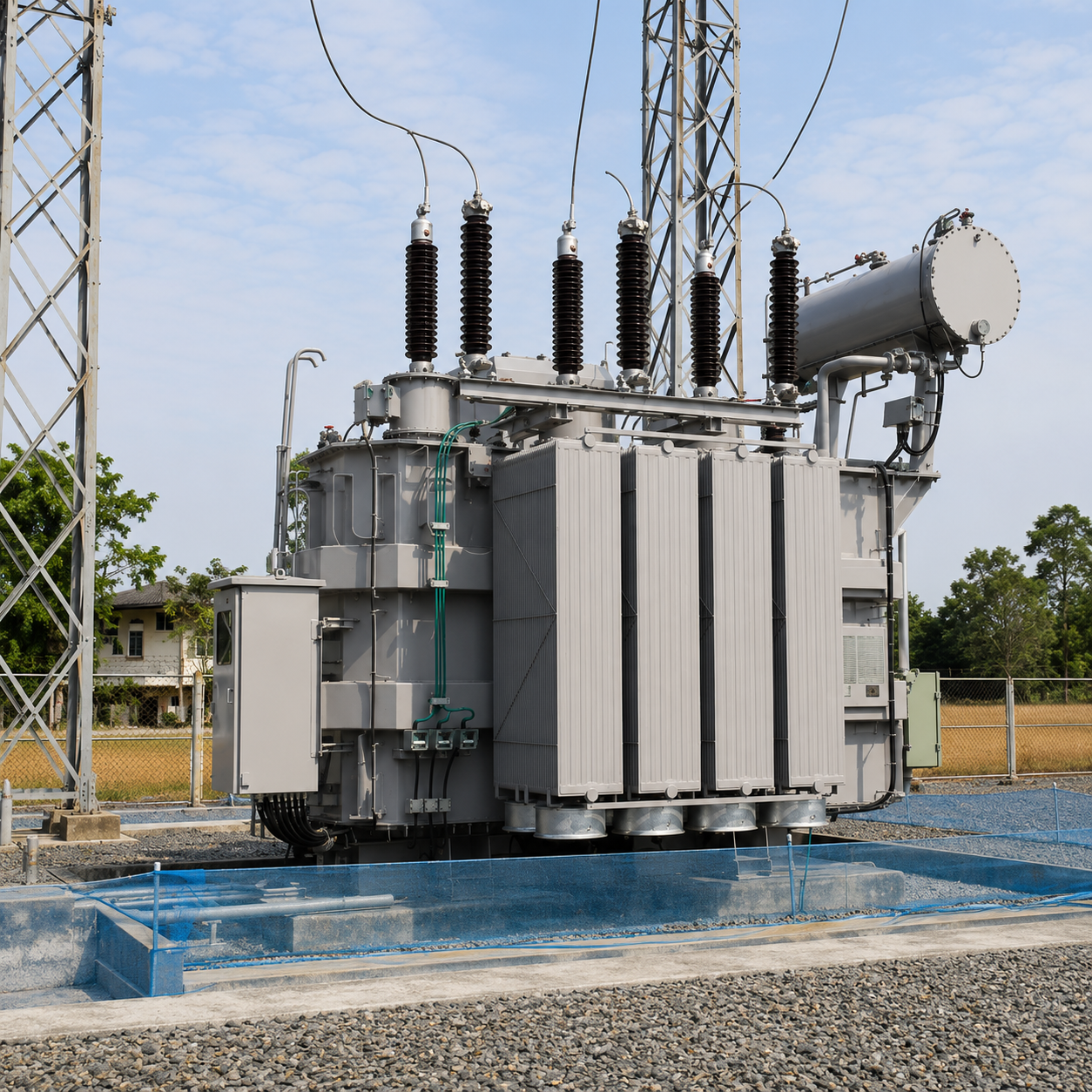
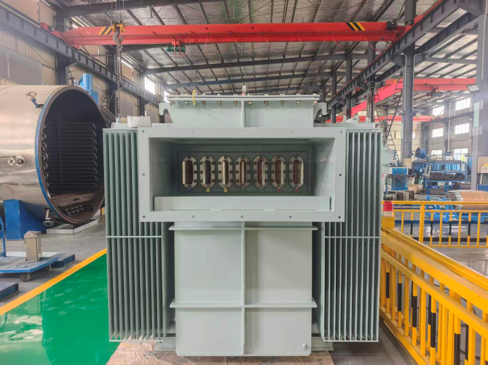
An electric power transformer links parts of a power system at different voltage levels. Its label is a useful first filter, but it does not show the whole duty. Start with the load that will run at the same time and note how it changes through the day. A plant may have steady loads as well as large motors that start in steps. A grid site may have a different pattern and limits set by its operator. Keep these cases separate when you describe the task.
Record demand as apparent power in kVA or MVA. If your load list is in kW, its power factor matters when you work out the apparent demand. Include planned growth only when there is a sound basis for it. A larger unit is not always the right choice: size, losses and fault duty also matter. Ask a qualified engineer to review peak demand, starting duty and any spare capacity needed for an outage.
As a simple example, a plant may expect new loads in a later phase. The first list should show both today's load and the planned addition. This is a planning example, not a claim about a customer project. The engineer can then check whether the proposed electric power transformer rating and the site conditions allow for both stages. Do not select a unit from a name alone.
Match both sides of the system
Before choosing an electric power transformer, record the supply and load voltages, phase count and frequency. The ratio must suit the network on both sides. A listed high side class by itself does not tell you the low side voltage or the tap range. State the normal source and the required output, then ask for the full rating of the proposed unit. The project team should also check how taps relate to the expected range of supply voltage.
The electric power transformer winding connection and phase shift matter when the unit joins the rest of the grid. Give the engineer the required vector group and neutral arrangement if they are known. The way the system is earthed also affects the design. For a unit that will run in parallel with another, matching the nameplate capacity is not enough. The team must check ratio, phase shift, impedance and load sharing for the actual units.
Ask the grid or site engineer to review fault levels and the insulation duty at the point of connection. Surge exposure and the protective scheme should be part of that review. These checks turn a broad voltage class into a project basis; they do not prove that any listed product fits a specific network.
Plan the site and physical interfaces
Site conditions can change how an electric power transformer is selected. State whether the unit will be indoors or outdoors, along with the site's ambient temperature and altitude. Note dust, moisture, corrosive exposure and any local noise limits. A rating shown for one set of conditions should not be assumed to apply unchanged at a different site. Ask what cooling basis is used for the proposed rating and what space the equipment needs.
Allow room for access, ventilation and safe work. Check the route from delivery to the final base, including lifting points, height limits and the mass the route can carry. If the unit uses liquid insulation, the site plan may need a containment and fire review under local rules. The site designer should make those decisions; a product listing cannot replace a site plan.
Agree how cables or busbars will reach the terminals. Show entry directions, connection points and any required clearances on the project drawings. For a replacement, compare the old footprint and terminal layout with the proposed design rather than relying on photos alone. The same care applies to protection wiring, alarms and control signals that connect to other equipment.
Set a common basis for comparing offers
Send the same duty and site data to each bidder. Ask for a clear electric power transformer schedule that identifies the offered rating, connections, cooling and accessories. It should also state the basis for losses, sound and temperature rise when those limits matter to the project. Compare values only when the stated conditions are alike. An attractive price is less useful if the scope leaves key interfaces or duties unclear.
Separate requested tests and documents from claims of certification. State which reports, drawings and inspection points the project requires, and ask what can be provided for the actual design. Review the offer with the project engineer and resolve gaps before placing an order. Confirm transport limits, responsibilities and any exclusions in the agreed scope. This approach gives buyers a practical way to compare proposals without assuming that a catalog entry is a finished design.
 EN