 EN
EN

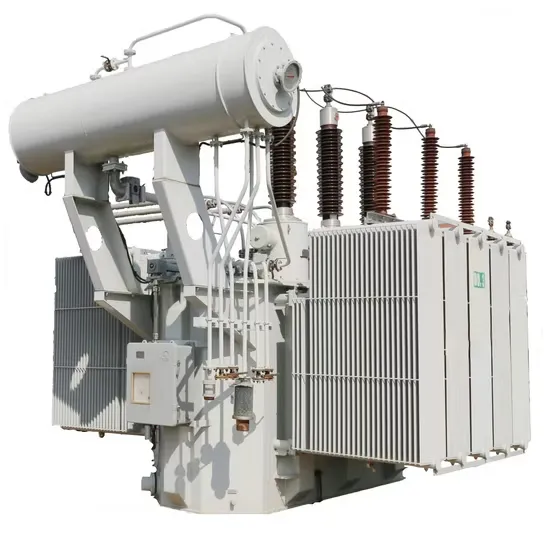
Renewable Grid-Interconnect: Solutions for Scalability
Global energy infrastructure is undergoing steady structural transformation as renewable energy resources occupy a growing share of power grids worldwide. Traditional grid-interconnect architectures are designed with fixed structural boundaries, which create structural limitations during iterative grid upgrading. Long-term technical observation and data tracking of power grid integration systems across global regions have recorded common structural constraints within conventional interconnect frameworks. In accordance with international power system design specifications and universal grid integration technical guidelines for clean energy facilities, this article objectively sorts out standardized structural solutions for scalable renewable grid-interconnect systems, based on professional power engineering theories and cross-regional project research data.
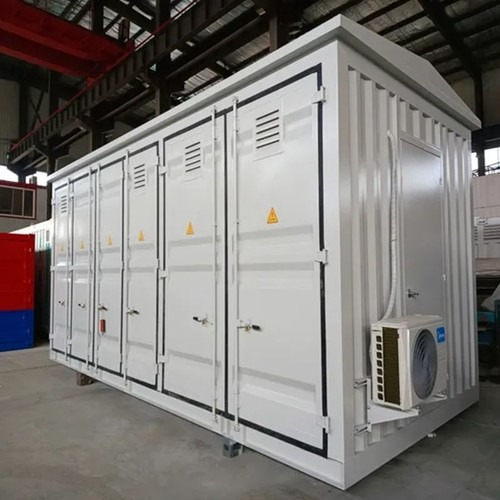
Modular Structural Design Framework
Modular construction modes constitute the basic structural foundation for scalable renewable grid-interconnect systems. Core functional components including power conversion units, connection modules and signal transmission assemblies are manufactured with unified interface specifications and standardized structural dimensions. This unified component design allows independent unit production and compatible assembly without relying on integrated fixed structures. Power industry research institutions have released technical documents verifying that standardized modular structures maintain consistent structural coordination during multi-stage assembly and combination. Different from integral grid connection structures with fixed structural limits, modular frameworks support phased structural supplementation and equipment iteration. This universal structural design conforms to the iterative upgrading rhythm of modern power grid infrastructure and provides basic structural conditions for long-term grid system expansion.
Adaptive Parameter Control Architecture
Modern grid-interconnect systems rely on adaptive control architectures to maintain structural coordination with evolving grid layouts. Clean energy power output carries natural parameter fluctuation characteristics, which requires grid connection systems to reserve adjustable parameter ranges. Professional power control theories explain that real-time monitoring and fine tuning of voltage, frequency and power factor parameters help maintain the structural matching state between power generation terminals and public grid facilities. International grid operation standards define unified parameter threshold ranges for grid-interconnect equipment under normal operating conditions. Adaptive control structures reserve adjustable space for structural changes of grid systems, avoiding overall structural reconstruction when grid access conditions change. This control mode forms a universal technical foundation for the scalable layout of renewable grid-interconnect systems.
Hierarchical Grid Connection Topology
Hierarchical and layered grid connection topology is a standardized structural layout for large-scale grid system planning. This structural mode adopts segmented power aggregation and transmission paths, dividing the whole grid-interconnect system into relatively independent local convergence layers and main transmission layers. Long-term grid structure analysis shows that single-layer grid connection layouts have concentrated structural stress points, which are not conducive to subsequent structural expansion. Tiered topological structures disperse structural pressure through layered division, and each structural layer follows independent design specifications and safety standards. When carrying out grid system expansion and upgrading, structural adjustment can be completed in targeted local areas without affecting the overall grid architecture. This standardized topological layout has become a mainstream structural choice for modern renewable grid construction worldwide.
Unified Safety Protection Configuration Standards
Standardized safety protection configurations are essential supporting structures for scalable grid-interconnect systems. All protection modules involved in grid connection comply with unified international electrical safety design norms, covering current, voltage and grid linkage protection structures. Industry electrical safety specifications clearly define the structural design and parameter matching requirements of grid protection components. Unified protection standards ensure consistent structural safety attributes of all equipment in the grid-interconnect system. In the process of grid structure expansion, newly added structural components can be perfectly matched with existing protection systems through conventional debugging. The universality of protection configurations eliminates structural adaptation barriers in the process of system iteration and expansion, maintaining the unified safety specification of the whole grid system.
Centralized Digital Grid Management System
Cloud-based centralized data management structures provide systematic support for large-scale grid-interconnect layout and iteration. Distributed grid connection nodes can realize unified data collection and structural state monitoring through cloud platform access. Local data processing units complete basic information sorting and transmission, realizing stable data interaction under multi-node layout conditions. Universal digital grid management specifications advocate centralized monitoring modes for distributed power infrastructure. This digital structural mode adapts to the decentralized layout characteristics of renewable grid resources, providing convenient structural conditions for continuous grid expansion and structural optimization without redundant structural transformation.
Standardized Manufacturing and Global Structural Supply Capacity
The standardized construction of scalable renewable grid-interconnect systems depends on stable component manufacturing and standardized technical supporting capabilities. Apex Electrics focuses on the R&D and standardized production of power grid connection and power conversion structural components. The brand implements multi-layer raw material screening and full-process structural testing in accordance with international power equipment manufacturing standards. Complete production lines and standardized manufacturing processes ensure consistent structural specifications of each batch of grid-interconnect components. With mature industrial manufacturing experience and a stable cross-border supply system, Apex Electrics provides standardized structural components and technical support for scalable renewable grid construction projects across global regions, supporting the iterative upgrading of modern clean energy grid infrastructure.