 EN
EN

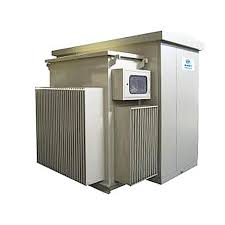
Modern electrical infrastructure projects require comprehensive financial planning, where capital expenditure must be carefully weighed against long-term operational returns. As utility grids and industrial power networks expand to meet shifting energy demands, every electrical component deployed must justify its initial acquisition cost through sustained performance and financial savings. Through years of hands-on utility financial consultations and substation budget evaluations, observing how infrastructure assets perform over decades reveals that a premium electric transformer delivers superior financial returns. At the center of these heavy infrastructure budgets sits the high-performance electric transformer, a critical asset whose lifecycle value dictates the economic viability of the entire substation installation. Evaluating the true return on investment for such heavy-duty assets goes far beyond the initial invoice price, requiring a holistic analysis of operational longevity, electrical efficiency, and maintenance economics.
Analyzing Initial Capital Outlay Versus Lifespan Value
Procuring heavy electrical infrastructure involves significant upfront capital, making it tempting for project managers to opt for lower-cost alternatives to reduce immediate expenses. However, initial purchasing savings often evaporate quickly when substandard units experience premature core degradation, higher electrical resistance, or frequent operational outages. Technical evaluations and asset lifecycle studies indicate that investing in superior raw materials and advanced core manufacturing ensures that the asset operates reliably for thirty years or more, drastically lowering the annualized cost of capital. Selecting a durable electric transformer eliminates the financial burden of premature replacements and safeguards utility budgets against unexpected fiscal strain.
Quantifying Electrical Losses and Energy Savings
A significant portion of the ongoing operational cost associated with power distribution involves no-load and load losses, which represent continuous energy dissipation as heat within the magnetic core and copper windings. Over a multi-decade operational timeline, even small differences in core loss efficiency translate into thousands of dollars in wasted electricity. Modern manufacturing innovations enable an advanced electric transformer to minimize eddy current dissipation and reduce resistive thermal losses significantly. Factoring these cumulative energy savings into financial models proves that higher-efficiency units offset their initial price premium within a fraction of their total operational lifespan, boosting net financial returns.
Minimizing Unplanned Downtime and Maintenance Overhead
Unscheduled electrical outages and emergency repair procedures impose devastating financial losses on utility providers and industrial operators alike, far exceeding the cost of routine upkeep. When a substation asset fails unexpectedly, repair logistics, lost productivity, and emergency replacement labor create massive financial drains. Deploying a robust, high-reliability electric transformer equipped with hermetically sealed tanks, heavy-duty dielectric insulation, and rigorous factory testing effectively eliminates these unpredictable expenses. Lower maintenance frequency and superior structural resilience directly protect capital budgets, ensuring predictable operational overhead and steady financial yields across demanding power networks.
Factoring Salvage Value and Regulatory Compliance
Long-term financial modeling must also account for regulatory standards, environmental safety, and eventual asset decommissioning value. Non-compliant electrical hardware can result in severe municipal penalties, forced retrofits, or early replacement mandates that disrupt long-term financial planning. Furthermore, high-grade electrical assets constructed with recyclable, premium-grade silicon steel and copper maintain a higher residual salvage value at the end of their operational cycle. Incorporating these secondary economic factors into an ROI calculation provides a comprehensive, transparent picture of why investing in top-tier infrastructure yields superior net profitability for electrical operators worldwide.
The Apex Electrics Advantage in Financial and Operational ROI
Achieving maximum return on infrastructure investments requires an unwavering commitment to precision manufacturing, advanced electromagnetic research, and rigorous quality assurance. Apex Electrics brings an advanced level of industrial expertise to the global energy sector, overseeing every critical production phase from high-grade raw material selection to meticulous core assembly and high-voltage testing. By strictly controlling the manufacturing lifecycle and maintaining comprehensive supply chain integration, Apex Electrics ensures that each electric transformer is built to withstand extreme operational stresses while maximizing energy efficiency. Partnering with an experienced manufacturer transforms capital expenditure into a strategic financial asset, delivering enduring reliability, structural integrity, and exceptional economic value to modern power networks worldwide.