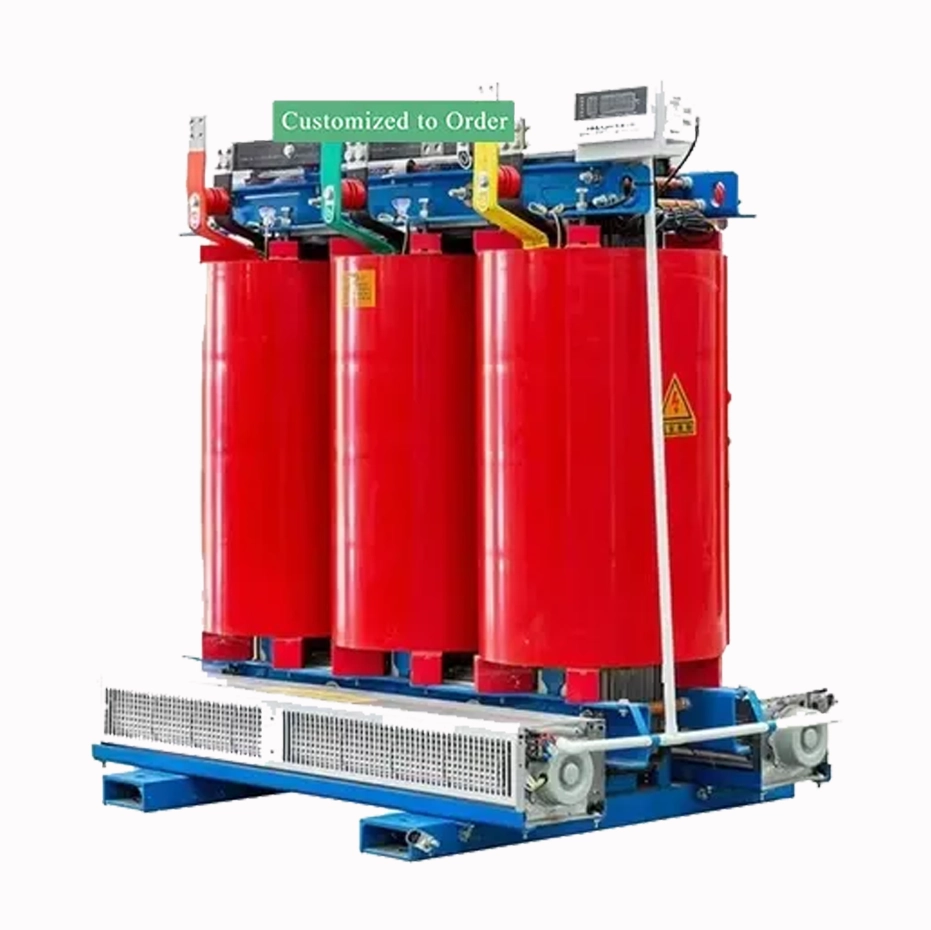
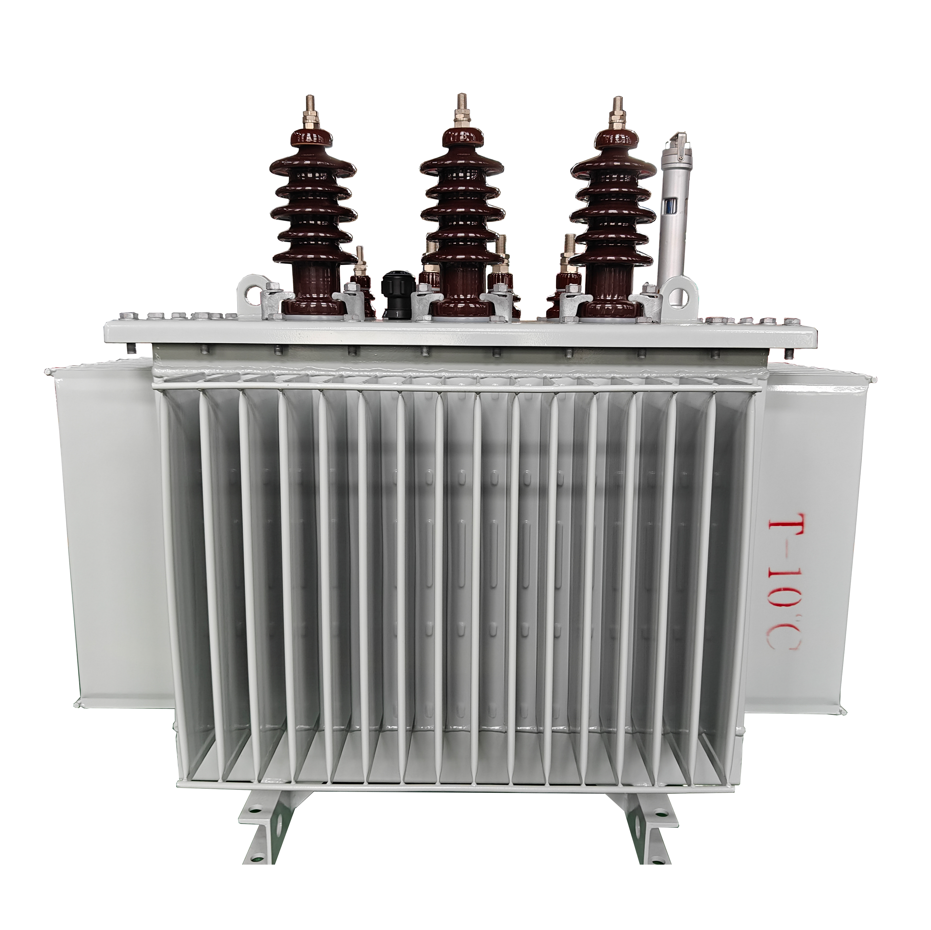
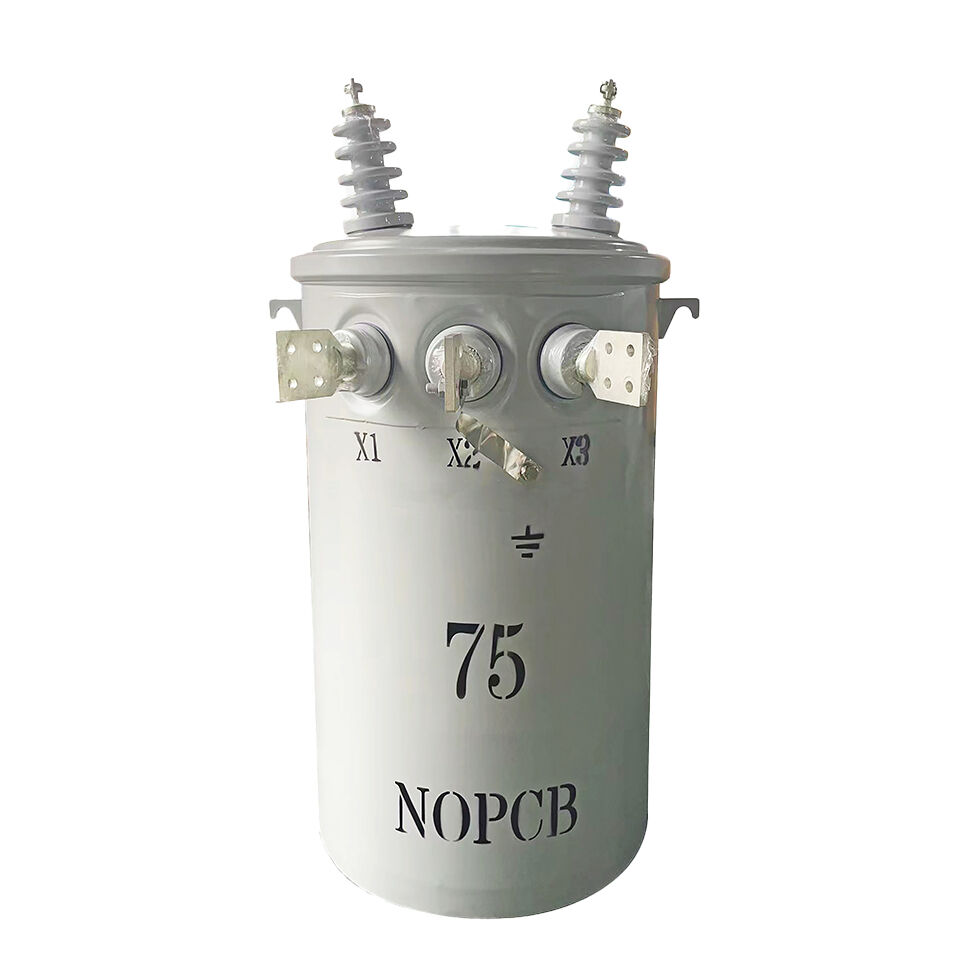
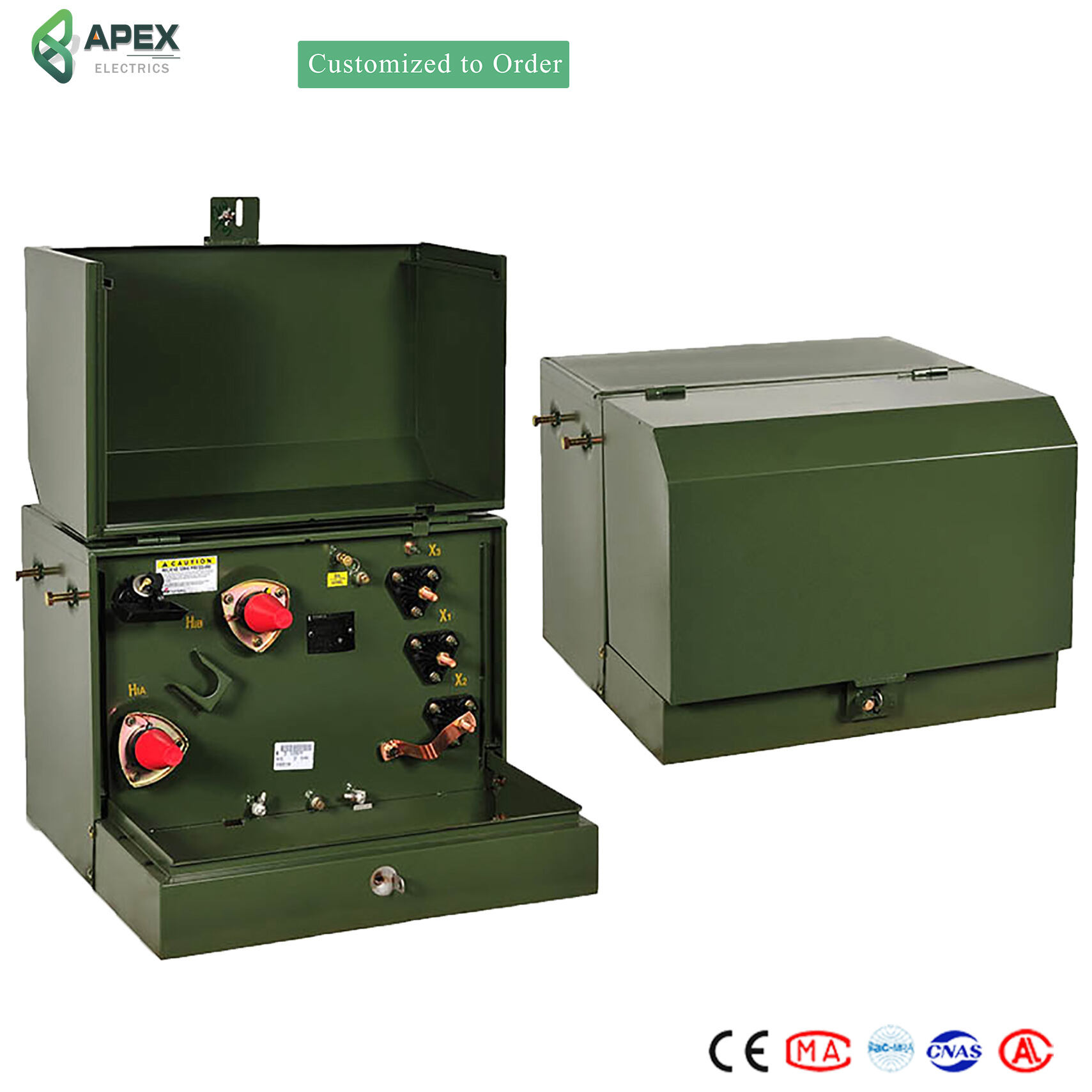
Apex Electrics specializes in the research, development, and manufacturing of high-quality transformer products. Our extensive range includes oil-immersed, dry-type, amorphous alloy, and new energy transformers, as well as prefabricated substations and switchgear.
Dry type step up transformer adopts air cooling structure, fireproof and oil-free. Low noise and environmental friendly, suitable for indoor installation and urban centralized power distribution.
Frequently Asked Questions (FAQ)
Q:Why does the transformer oil turn black? And how should it be dealt with?
A:Reason: The oil quality has severely deteriorated, and the internal temperature has risen, causing the oil to carbonize; faults in the windings or the core have generated arcs, leading to the decomposition and carbonization of the oil. Treatment: Replace all the qualified transformer oil; remove the core and conduct an inspection to eliminate internal overheating or discharge faults.
Q:What are the special selection requirements for transformers that are matched?
A:It features low loss and low noise; the short-circuit impedance needs to match the inverter; it has strong resistance to voltage fluctuations and harmonic impacts; the transformer for photovoltaic power stations needs to adapt to significant changes in load throughout the day and night; the transformer for wind power needs to be able to withstand outdoor high-altitude and low-temperature environments, with a protection level of no less than IP54.
Q:What issues should be noted when connecting the transformer to the distribution cabinet?
A:Use copper busbars or cables for connection, with the conductor cross-section meeting the current-carrying requirements; the connection points need to be treated with tin plating or silver plating to reduce contact resistance; install lightning arresters and disconnect switches on the high-voltage side to facilitate maintenance; add insulating covers for the busbars on the low-voltage side and mark the phase sequence; after connection, check the insulation and phase sequence to ensure there are no errors.
Q:What are the handling methods for oil leakage in the high-voltage bushing of a transformer?
A:Minor leakage: Tighten the flange bolts of the casing and replace the sealing gasket; Severe leakage: Replace the casing after power outage; If the insulation inside the casing gets damp, conduct an insulation test and replace the casing if necessary.

 EN
EN