LV Switchgear | Renewable Energy Project | Solar Farm
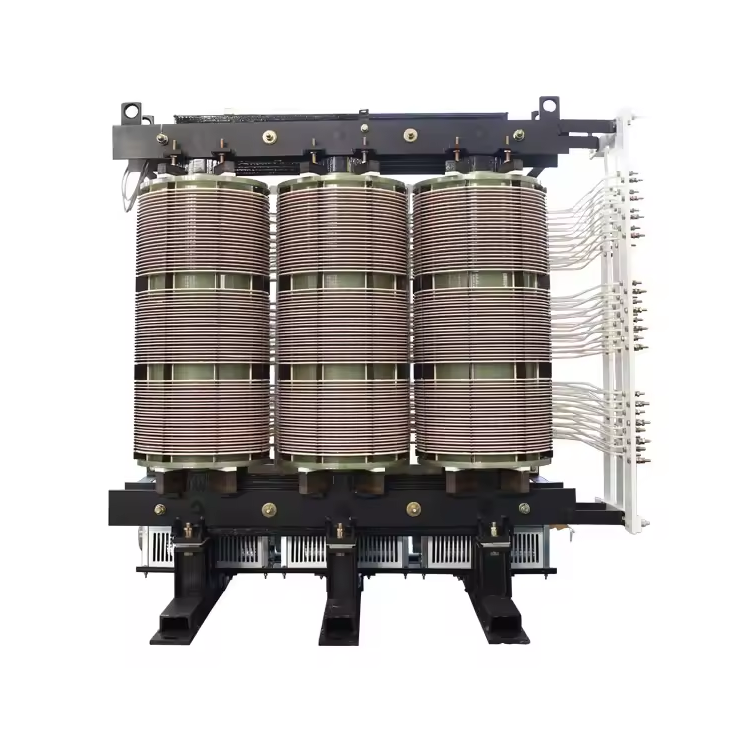
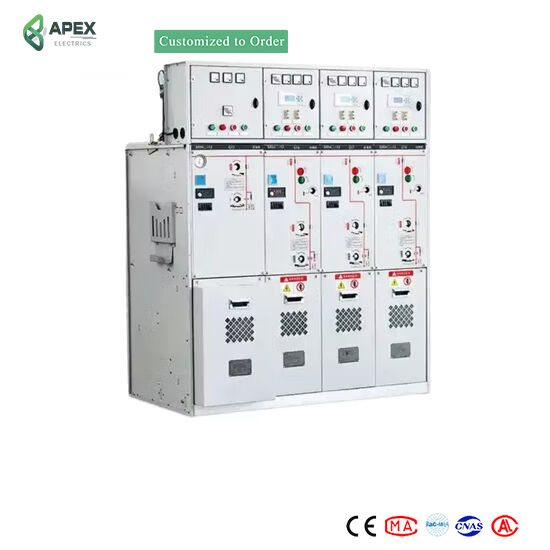
Apex Electrics specializes in the research, development, and manufacturing of high-quality transformer products. Our extensive range includes oil-immersed, dry-type, amorphous alloy, and new energy transformers, as well as prefabricated substations and switchgear.
We believe in transparency and fairness. By building mutual trust, we minimize communication barriers and transaction friction, making cooperation simple and efficient.
Embrace Change
In a rapidly evolving market and technology landscape, we stay agile and innovative to ensure you always receive the most advanced products and solutions.
Pursue Excellence
“Today’s best performance is tomorrow’s minimum standard.” This mindset drives us to continuously improve and deliver ever-advancing products and services.
Export-grade low voltage switchgear compliant with ANSI standards. Suitable for grid upgrade, residential community, and commercial building projects.
Frequently Asked Questions (FAQ)
Q:What are the reasons for the three-phase voltage imbalance in the transformer?
A:The positions of the transfer switch are inconsistent; there is a short circuit between the windings (in a certain phase); the three-phase load is severely unbalanced; the system voltage is unbalanced across the three phases.
Q:What are the handling methods for oil leakage in the high-voltage bushing of a transformer?
A:Minor leakage: Tighten the flange bolts of the casing and replace the sealing gasket; Severe leakage: Replace the casing after power outage; If the insulation inside the casing gets damp, conduct an insulation test and replace the casing if necessary.
Q:What services do you provide?
A:We provide comprehensive end-to-end solutions and services, covering the entire process from electrical and mechanical design, quality control, material selection, core processing, winding, assembly, insulation, and testing to packaging.
Q:What are the criteria for determining when to replace an old transformer?
A:The load rate has consistently exceeded 80% and there have been frequent overloads; the losses under no-load and at full load are more than 20% above the standard; insulation has aged (with excessive dielectric loss values and deteriorated oil quality); serious faults have occurred (such as winding deformation and multiple-point grounding of the core); the energy efficiency grade is lower than level 3 and energy-saving renovations are not economically viable; it has reached the design service life (generally 20–30 years).

 EN
EN